116482267467


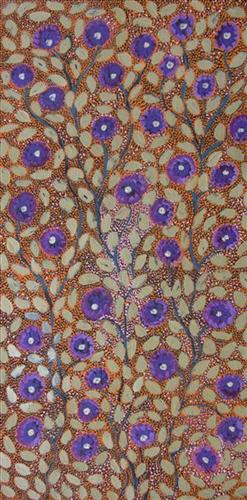
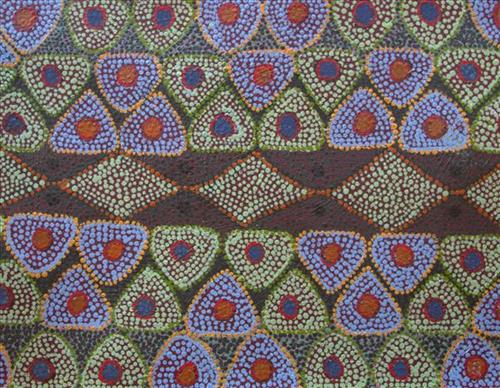
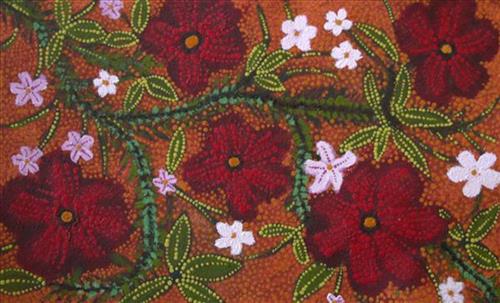
Wildflowers of the Pilbara

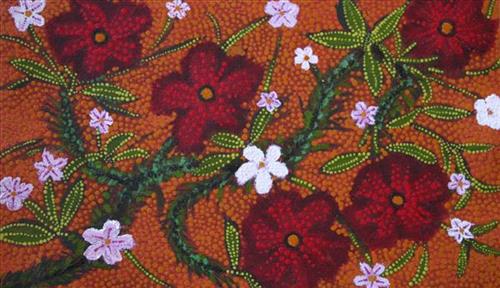
We are lucky to have some of the most incredible and vibrant wildflowers in the Pilbara. It is always a joy to see them spring up during wildflower season. They are strong and resilient to withstand the hot and rugged country.

116482267466


Wildflowers of the Pilbara

We are lucky to have some of the most incredible and vibrant wildflowers in the Pilbara. It is always a joy to see them spring up during wildflower season. They are strong and resilient to withstand the hot and rugged country.

116482267465


Coral Reef

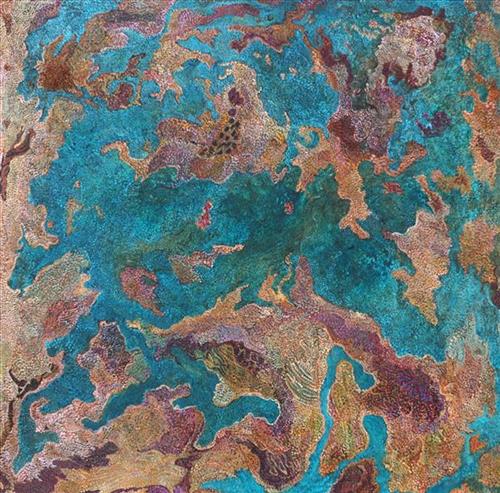
When the tide goes out it leaves all the weeds among the rockholes mixed with all the colourful coral from the ocean.

116482267462


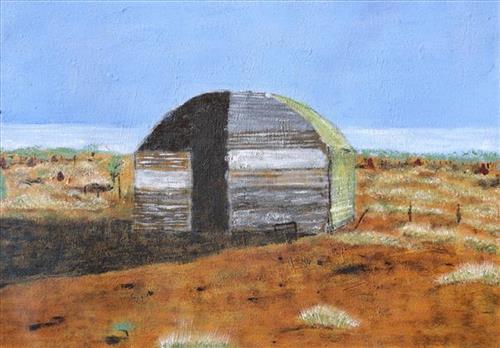
Old Tambrey Out Camp

“This painting is of a hut where my grandmother and grandfathers grew up. They were all were born around this area but lived in this hut. There were 14 of them, plus their mums and dads. The reason I paint this is to record my memories and remembering of my grandparents and what they taught me around this region from the country. This country is the Pilbara, up in the Tablelands where the Yindjibarndi lies and this is where my grandparents come from so I have connections to this area they also taught me a lot about this area.”

116482267062


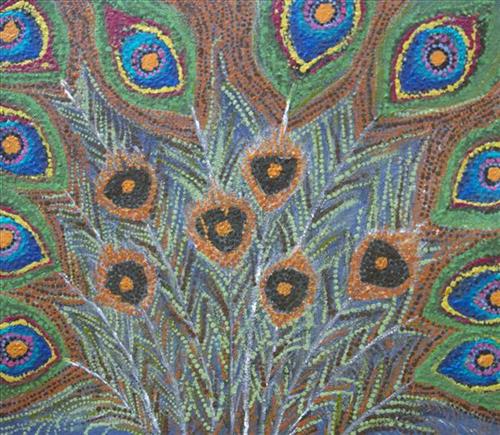
Peacock Feathers

This artwork is inspired by the beautiful and intricate peacock feather. They are such stunning colours.

116482267095


Mulla Mulla Around the Waterholes

The mulla mulla flower is very prominent in the Pilbara during wildflower season. They’re beautiful, resilient flowers that spring up and carpet the country.

116482267076


Bush Tomato Plants

The Bush Tomato, which grows in the Pilbara area, is like the tomato we get in the shop. It’s a small, very prickly bush. The tomato is usually green, but when it turns a yellowy colour you can eat it. You just clean the black seeds out from the inside because they’re very bitter, then you eat the rest of the inside part, and throw the skin away.

116482267068


Emu Seeds

In this painting I have depicted the pods of a shrub which is common in the Pilbara area. It is a smallish bush which comes into seed in September, when the Emu is visible in the Milky Way. This is the time the emu chicks hatch and it is one of their main sources of food. When the pod opens the parent emus feed the little black seeds to their chicks. The seed pod, which is about the size and the shape of a cockroach, turns from orange to yellow, so when all the bushes are in pod at different stages, there is a brilliant display of orange and yellow colours throughout the country. The official name of this annual shrub is Senna notabilis, but, due to the oblong, flat shape and the glossy golden brown colour of its pods, it is known commonly as Cockroach Bush. It has a little round fruit, a berry, that starts of green and turns red when it is ripe, but it’s poisonous. The shrub starts off as a light green colour and then, as it matures, it gets darker. The flowers are a yellowy orange and they, too, get darker with a bit of black as they are fading away.
116482267065


Olive Python Skin

This painting is the artists interpretation of snake skin and patterns of the scales. The olive python is one of Australia’s largest snakes.

116482267059


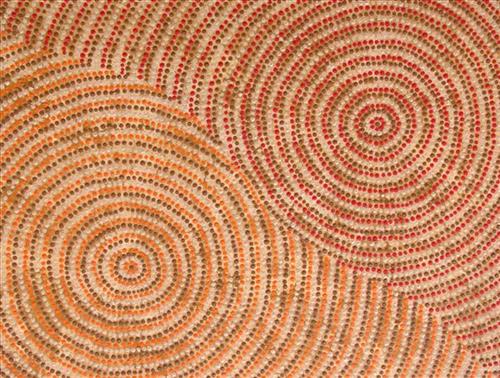
Pilbara Rocks

This painting I did is of the Pilbara rocks. These Pilbara rocks are coloured ochre, red and oranges, which glow bright across the rock face as the sun gets lower in the sky. They were used as building bricks to make houses when I was young.