Rrungurrgurda (Mud crab)
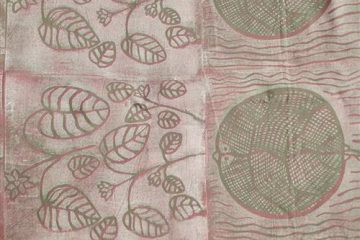
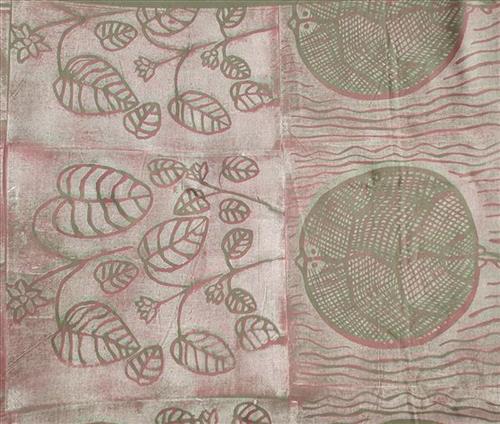
A beautiful hand printed Lino design – Elizabeth Wullunmingu depicts the story of Rrungaurrgurda (Mud crab) Soft pink cotton with bright pink ink.
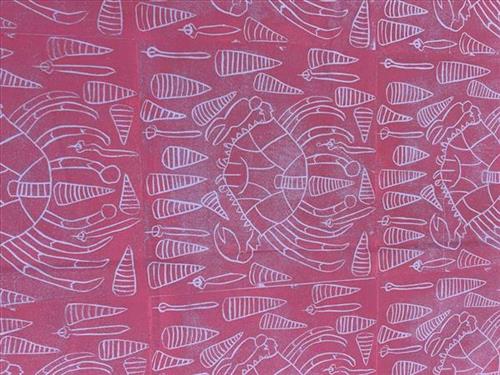
A beautiful hand printed Lino design – Elizabeth Wullunmingu depicts the story of Rrungaurrgurda (Mud crab) Soft pink cotton with bright pink ink.
Status: Stock
This beautiful product is part of the 2020 Kip&Co × Bábbarra special edition, a collaboration that has been two years in the making. The collection showcases the contemporary art of seven incredible artists from Bábbarra Women’s Centre in Maningrida, and each artwork tells the ancestral stories of Arnhem Land countries and cultures. Bábbarra and Kip&Co divide all profits from this collaboration equally, so 50% of profits will return to the Bábbarra Women’s Centre. Bábbarra is governed by women, for women, to enable future enterprises that support healthy and sustainable livelihoods.
100% French flax linen. Packaged in a reusable fabric drawstring bag
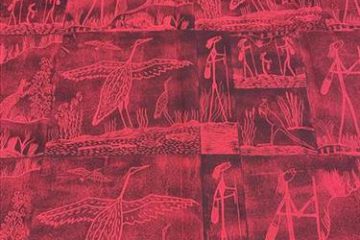
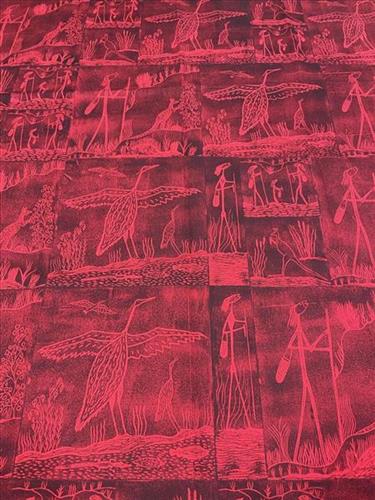
Black on red cotton featuring detailed lino cut illustrations by Jay Jurrupula Rostron. ‘Bini-murreko means two brothers – big brother and little brother. Two brothers were really strong leaders and good hunters, sharing animals with different tribes. With those different tribe there were jealousy going on. Little brother went walkabout and heard the different tribe was talking about his tribe. They said ngarribin manre djed-djedme bokko Meaning: will make spear for them Ngarrbin danj-bun, ngarrbinbun Meaning: will spear them kill them little brother turn around went back tell his brother Namurre bokko kadi marne djed-djedme Karre wonens, kardi-djal danjbun Meaning: they making spear for us, they gonna spear us Couple of months they saw different tribe They changed their attitude They been bringing lots of animals to them and start asking for women And that tribe realise that’s how those brothers died. They kill them This Why? They got jealous because two brothers was a good hunter. This story written on the rock art and it stays forever.’ Jay Jurrupula Rostron
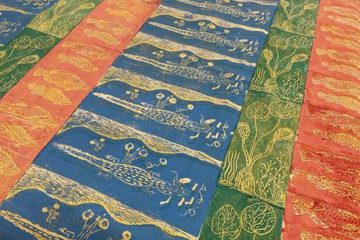
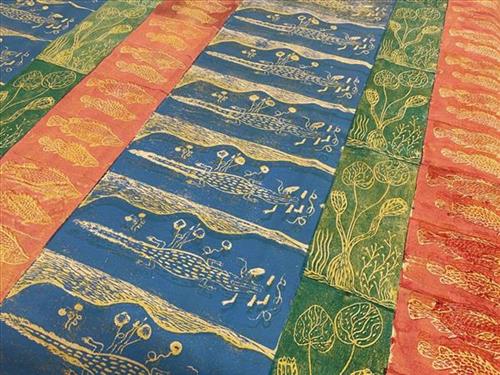
Two brothers and Modjarrkki the Crocodile ‘This is a true story. My great great grandfather and my father told this story and I tell it to my children. It’s about a freshwater crocodile called Modjarrkki. One day an unmarried man who was camping with his brother and his brothers wife went walking by himself. He came to a creek where he found a crocodile. He went back to camp and said to his brother ‘hey I found a croc, lets go kill it!’. He tried to kill the crocodile but the crocodile bit his brother. He bit his guts, his hand, his legs and he died. Modjarrkki was an angry crocodile but today Modjarkki doesn’t bite people, he’s only a little crocodile and he eats barramundi. He is still alive and he lives in rock country, Karrabarda, which is in Gorlobidahdah.’ Jay Jurrupula Rostron A bright yellow fabric printed with bold primary colours, of red, green, white and blue.
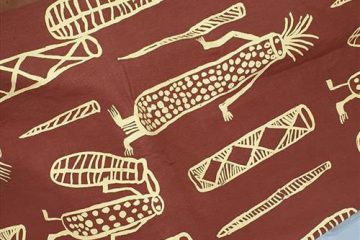
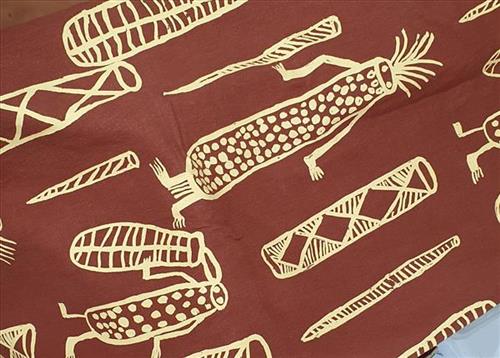
‘My Kikka (mother), when she was alive, she would tell me these stories. I was just a little girl and she would tell us the stories in her language Gurrgoni.
In the camps there were boy and girl Bawaliba, and old Bawaliba too. They loved to dance by the firelight, keeping rhythm with a stick. They had lots of hair, they were really tall and skinny, with spots on their bodies. The Bawaliba lived a long time in peace. They were the only spirits on their country and so they were never disturbed.
One day, a long time ago, the Bawaliba were out hunting and they saw a large snake- they didn’t know then but she was the Rainbow Serpent. They were really scared, they had never seen that. creature before. She was really beautiful- like a normal king brown snake but with a rainbow from the sky on her back. The rainbow serpent was really hungry, and she could smell the Bawaliba from a long way away. She was out looking for food. The Bawaliba tried to stop Ngalyod coming for them but she was just too quick. She snuck up behind the Bawaliba and before they could get away she ate them up. When she was really full and couldn’t eat anymore Bawaliba she changed the rest of them into stone. Still til this day, the Bawaliba stay on that same country as stones.’ Lucy Yarawanga
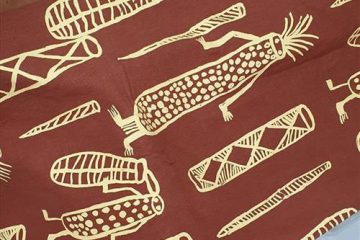
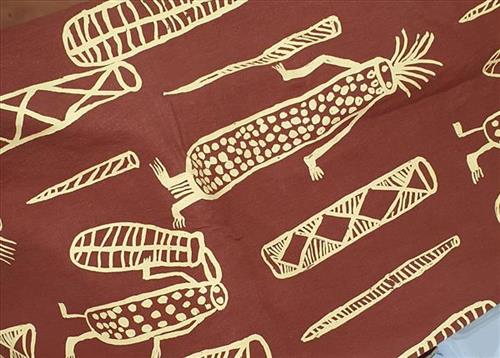
‘My Kikka (mother), when she was alive, she would tell me these stories. I was just a little girl and she would tell us the stories in her language Gurrgoni.
In the camps there were boy and girl Bawaliba, and old Bawaliba too. They loved to dance by the firelight, keeping rhythm with a stick. They had lots of hair, they were really tall and skinny, with spots on their bodies. The Bawaliba lived a long time in peace. They were the only spirits on their country and so they were never disturbed.
One day, a long time ago, the Bawaliba were out hunting and they saw a large snake- they didn’t know then but she was the Rainbow Serpent. They were really scared, they had never seen that. creature before. She was really beautiful- like a normal king brown snake but with a rainbow from the sky on her back. The rainbow serpent was really hungry, and she could smell the Bawaliba from a long way away. She was out looking for food. The Bawaliba tried to stop Ngalyod coming for them but she was just too quick. She snuck up behind the Bawaliba and before they could get away she ate them up. When she was really full and couldn’t eat anymore Bawaliba she changed the rest of them into stone. Still til this day, the Bawaliba stay on that same country as stones.’ Lucy Yarawanga
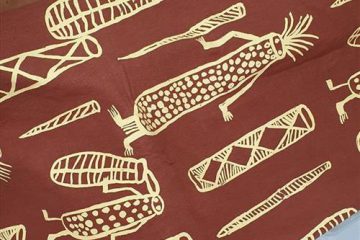
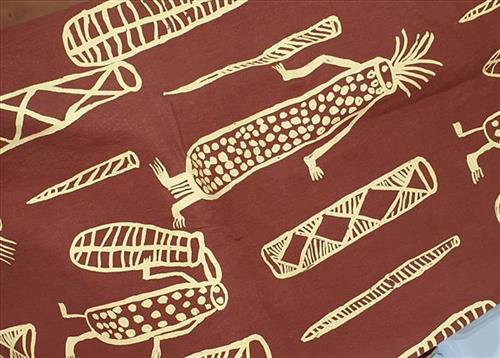
‘My Kikka (mother), when she was alive, she would tell me these stories. I was just a little girl and she would tell us the stories in her language Gurrgoni.
In the camps there were boy and girl Bawaliba, and old Bawaliba too. They loved to dance by the firelight, keeping rhythm with a stick. They had lots of hair, they were really tall and skinny, with spots on their bodies. The Bawaliba lived a long time in peace. They were the only spirits on their country and so they were never disturbed.
One day, a long time ago, the Bawaliba were out hunting and they saw a large snake- they didn’t know then but she was the Rainbow Serpent. They were really scared, they had never seen that. creature before. She was really beautiful- like a normal king brown snake but with a rainbow from the sky on her back. The rainbow serpent was really hungry, and she could smell the Bawaliba from a long way away. She was out looking for food. The Bawaliba tried to stop Ngalyod coming for them but she was just too quick. She snuck up behind the Bawaliba and before they could get away she ate them up. When she was really full and couldn’t eat anymore Bawaliba she changed the rest of them into stone. Still til this day, the Bawaliba stay on that same country as stones.’ Lucy Yarawanga
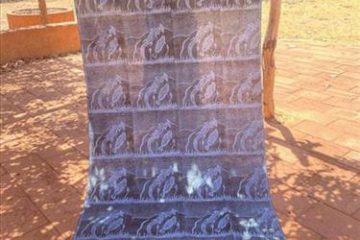
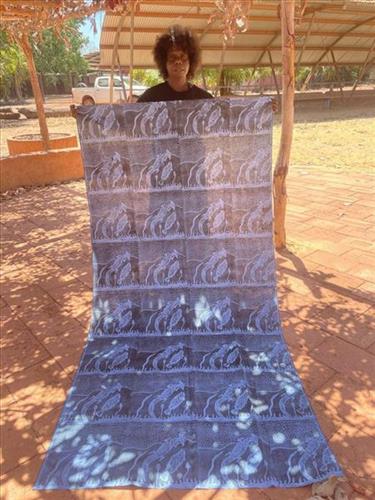
Jay Rostron Jurrupula is a versatile Maningrida artist who has been creating beautiful lino print fabric at Babbarra Designs. She has a great eye for colour and a meticulous carving style. She also works with a range of other mediums including Etching, Stringybark (Eucalyptus Tetradonta) with Ochre Pigment and PVA Fixative, Screen Print, Pandanus Coiled Basket, Pandanus Dilly Bag, Pandanus Sculpture, Seed Jewellery. This linocut fabric is pale blue with a single colour black ink. Jay has illustrated part of the story of Modjarrkki the crocodile from her homeland in Korlobidahdah. ‘This is a true story. My great great grandfather and my father told this story and I tell it to my children. It’s about a freshwater crocodile called Modjarrkki. One day an unmarried man who was camping with his brother and his brothers wife went walking by himself. He came to a creek where he found a crocodile. He went back to camp to tell his brother so they could kill it . He tried to kill the crocodile but the crocodile bit his brother. He ate his guts, his hand, his legs. Modjarrkki was an angry crocodile but today Modjarkki doesn’t bite people, just barramundi, he’s only a little crocodile. He is still alive and he lives in rock country, Karrabarda, which is in Korlobidahdah.’ Jay Rostron Jurrupula
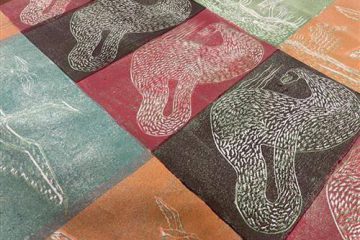
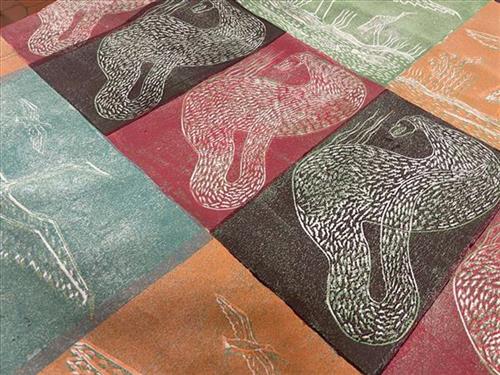
‘Rainbow serpent, daughter of the Mother One Rainbow Yingarna. The rainbow serpent is a central figure in traditional Bininj religion. She is the creator of places and is active during the wet season and is asssociated with rain and bodies of water. Rainbow serpents live in deep waterholes and rivers. Marrkidjbu are able to discern their presence and control them.’ www.njamed.com Jay has printed autumnal tones of red, brown, orange and olive green on cream cotton. Her new design, Ngalyod ( rainbow serpent) was created at home during Feb 2022 while the studio was closed due to the Covid19 pandemic.