

225182303338
Bayil (Jungle Perch)

225182303337
Kurriyala (Carpet Snake)

225182303333
Wambiji (Platypus)
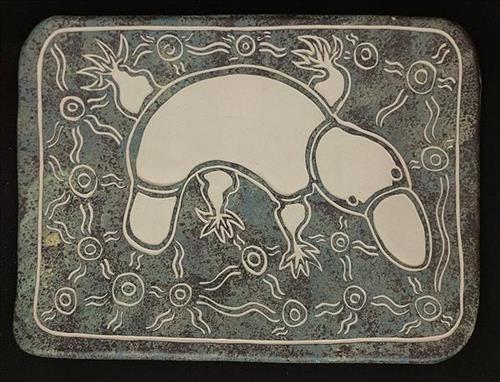
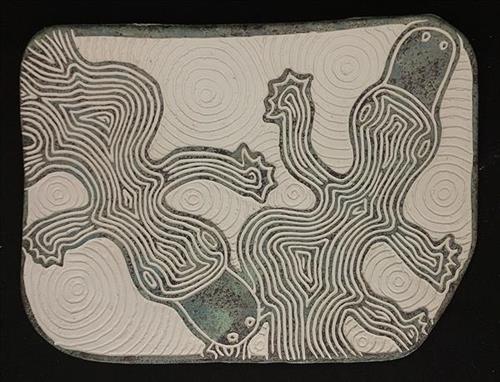
Platypus are very shy. They like to hide under rocks and can rarely be seen when people are around. When I was 17 years old, I used to go for a swim with my partner, Laurence, in the Mossman River, at a site called Jabuljabul (Girls/Women). Some mornings, a platypus was coming out of his hiding place, searching for food. He swam around. When he heard us, he swam back to his hiding place until we were gone.

225182303331
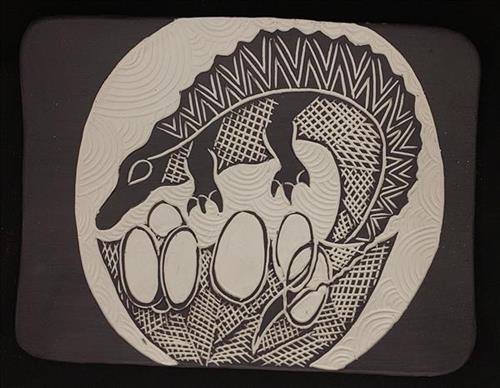
Bilngkumu (Saltwater Crocodile)

225182303328
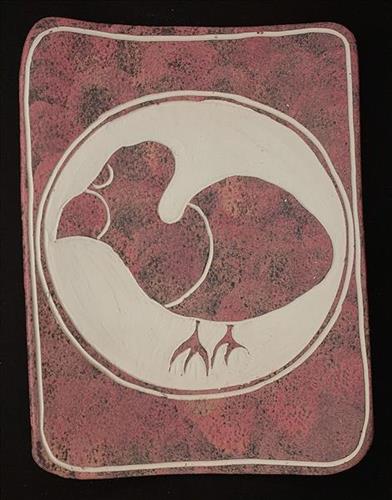
Scrub Hen

225182303323
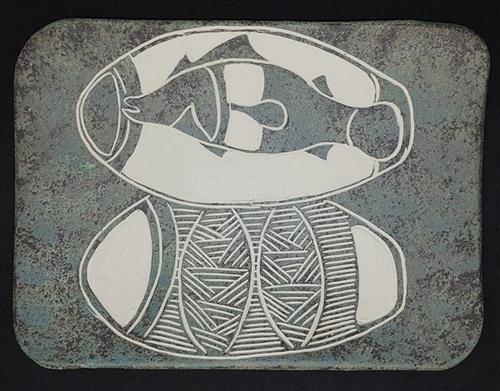
Makarr (Fish Trap)
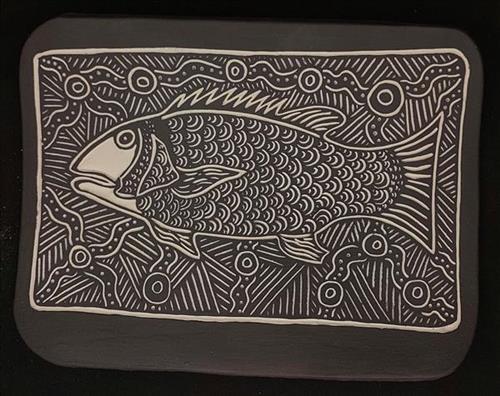
Fish traps are called Makarr in our language. They were made by men only. Our fathers and uncles used to make them with the lawyer vine. They stripped the stems and then soaked them in the river to keep them soft and bendy. They also had a special way of weaving the fish traps. They used them in the river to catch eels, jungle perch, fresh water catfish and turtle. To attract fish our old people used to sprinkle rain forest berries as bait over the trap.

225182303321
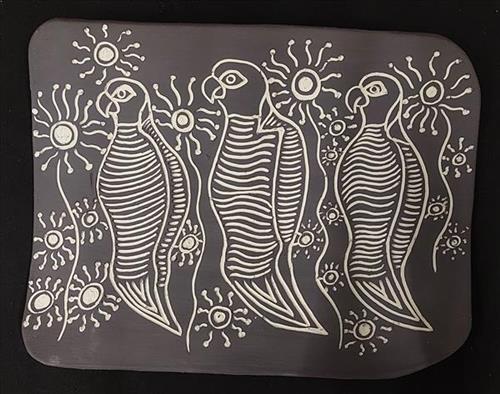
Yinjul (Rainforest Parrot)

225182303318
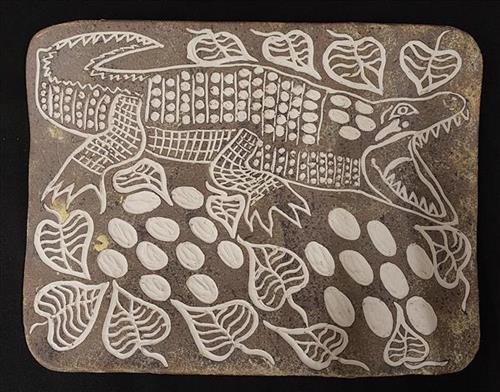
Bilngkumu (Saltwater Crocodile)
The Salt water crocodile is a very important animal for us. We call it Bilgkamu in our Kuku Yalanji language. Our ancestors – only the men – used to hunt the saltwater crocodile for food. My father told me that the hunters were given specific roles and responsibilities on how to hunt crocodiles. This knowledge was passed down from generation to generation.

225182303317
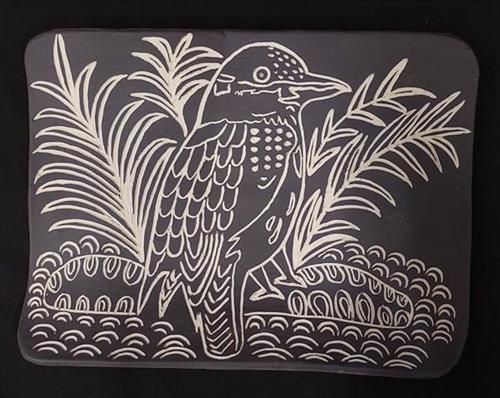
Wakuka (Kookaburra)
Wakuka (Kookaburra) is an important totem or spiritual being for our Kuku Yalanji clans. We call him a messenger bird because he lets us know when a family member has passed away.