116482365693


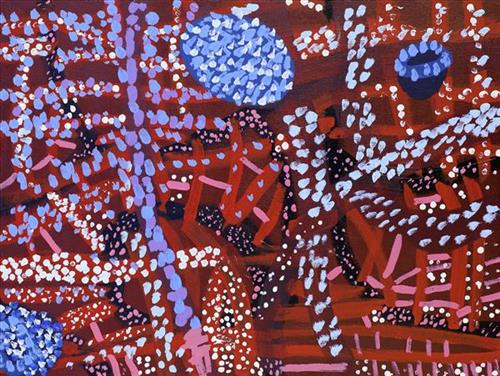
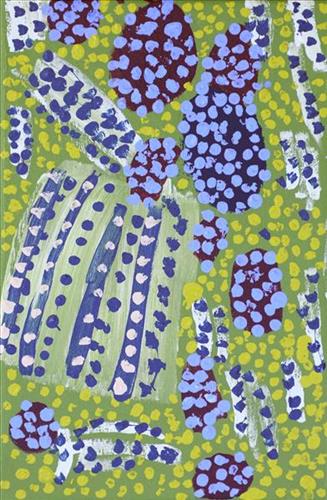
Wildflower Patch

In Spring I can never get over the beauty of these purple mulla mullas when they are in bloom along with the other yellow, pink and white flowers, and the yellow Blue Gum flower. It’s like a beautiful garden that you never have to water.

116482365654


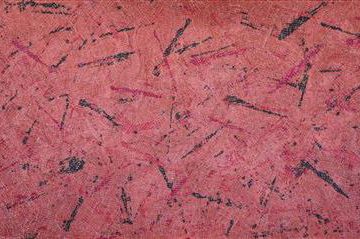
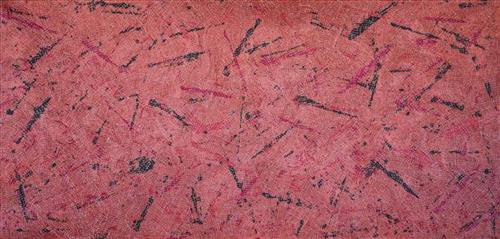
The VOID (Part VI)

“When losing someone very important to me I often turn to my art to get through the darkest of days. When completing the first artwork in this series I looked at it and realised I had more emotions about the loss that I had to put onto canvas before I had any real thoughts of healing. So that is when ‘The Void’ series came to be. At first it was a way to work through my grief about losing mum. As the series started to progress, I realised that it was also a beautiful way to pay tribute to her. She was loving caring strong proud and always willing to go out of her way to help others. She was also a well-established Yindjibarndi artist and elder. In small communities a lot of people find it hard to process grief. They turn to other vices to numb the pain. The outcome I want to achieve with my series is to help anyone who walks into this exhibition to process and work through any grief and loss that they may have gone through themselves. Losing someone can bring so many emotions to light. My Journey into The Void began with anger, confusion, guilt and pain. I used these strong feelings to work out my thoughts on canvas. The first work in my series was very dark, with black paint on black paint. With each artwork more colour was introduced as I worked through my feelings. Sometimes the textural marks are harsh and sharp. My hand worked out the frustration. This third artwork in my series shows a glimpse of hope and light seeping through, slowly bringing back a sense of normalcy back into my life.”

111582365629


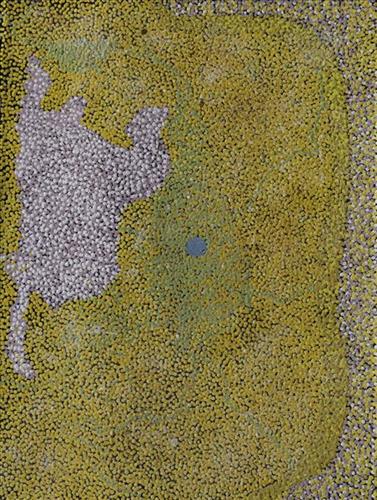
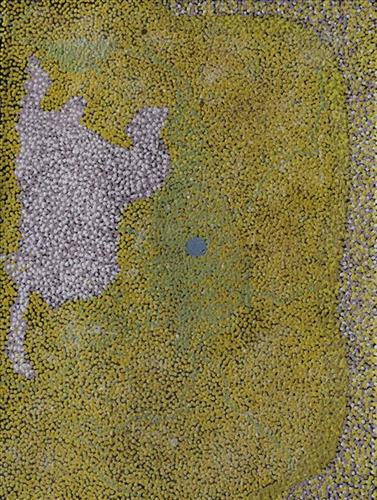
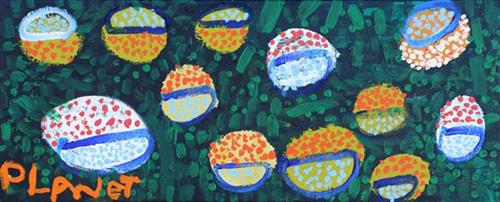
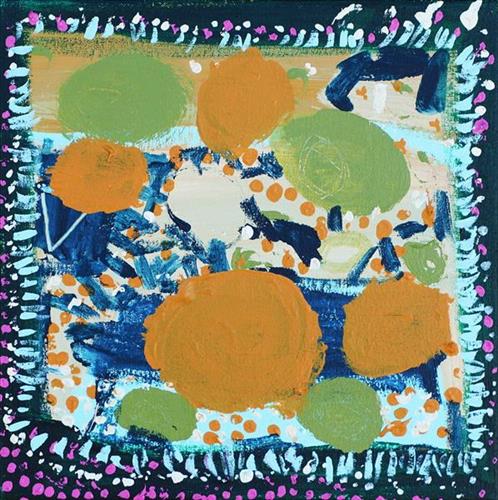
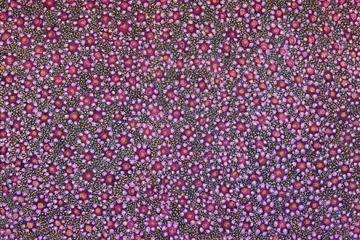
Punmu Soak

Punmu refers to a region and an Aboriginal community within its vicinity, located 670km North-East of Newman. Created during the return to Country movement of the 1980s, with the recognition of Martu land rights and native title, the community was named after a nearby Jukurrpa (Dreaming) story.

Punmu community sits on the edge of a large salt lake known as Nyayartakujarra, or Lake Dora. The lake runs south into Karlamilyi River (Rudall River). Surrounding Punmu are numerous fresh water soaks and the red tali (sandhills) typical of the area. The most frequently visited water sources around Punmu include Wirlarra, Rawa, Yilyara, Jila-jila, Tuu-tuu, Pirrkili, Jurnu, Wilurr, and Wala- Wala. Further south are Juturrpa, Wawul, and Tarl. 

During the pujiman (traditional, desert dwelling) period, Martu would traverse very large distances annually in small family groups, moving seasonally from water source to water source, and hunting and gathering bush tucker as they went. At this time knowledge of water sources was critical for survival, and today Martu Country is still defined in terms of the location and type of water. Each of the hundreds of claypans, rockholes, waterholes, soaks and springs found in the Martu desert homelands is known by name, location, quality and seasonal availability through real life experience and the recounting of Jukurrpa narratives.
111582365627


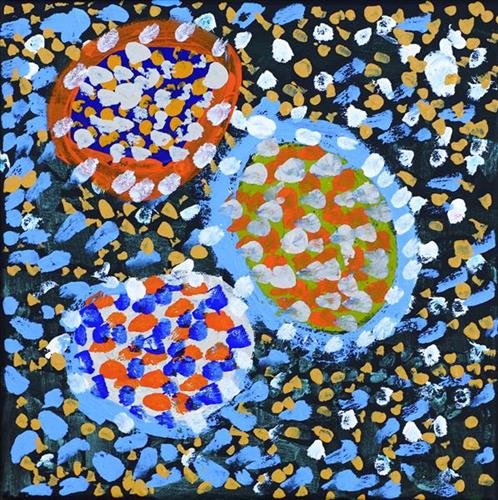
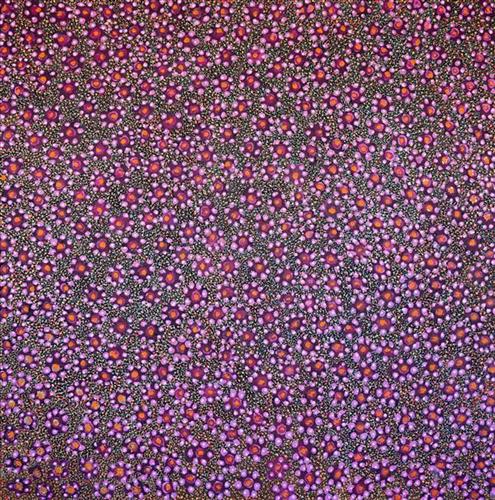
Punmu Soak

Punmu refers to a region and an Aboriginal community within its vicinity, located 670km North-East of Newman. Created during the return to Country movement of the 1980s, with the recognition of Martu land rights and native title, the community was named after a nearby Jukurrpa (Dreaming) story.

Punmu community sits on the edge of a large salt lake known as Nyayartakujarra, or Lake Dora. The lake runs south into Karlamilyi River (Rudall River). Surrounding Punmu are numerous fresh water soaks and the red tali (sandhills) typical of the area. The most frequently visited water sources around Punmu include Wirlarra, Rawa, Yilyara, Jila-jila, Tuu-tuu, Pirrkili, Jurnu, Wilurr, and Wala- Wala. Further south are Juturrpa, Wawul, and Tarl. 

During the pujiman (traditional, desert dwelling) period, Martu would traverse very large distances annually in small family groups, moving seasonally from water source to water source, and hunting and gathering bush tucker as they went. At this time knowledge of water sources was critical for survival, and today Martu Country is still defined in terms of the location and type of water. Each of the hundreds of claypans, rockholes, waterholes, soaks and springs found in the Martu desert homelands is known by name, location, quality and seasonal availability through real life experience and the recounting of Jukurrpa narratives.