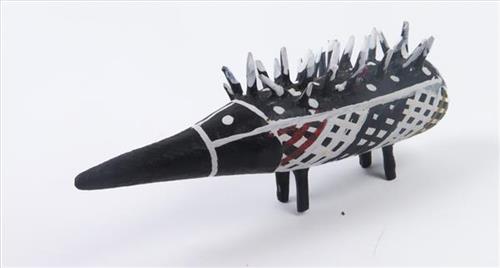
221382365906


Echidna

Wood carving has always been part of Aboriginal culture and Djilpin artists continue this tradition. Men carved wood for many purposes – tools for hunting or gathering food, axes and knives for building shelters, spears and clubs for protection of their lives and territory, objects for ceremony and to mark sacred sites.

Hunting implements include the boomerang, woomera and spear. The woomera is a lever which helps to increase the speed and distance the spear travels. Clapsticks are used as percussion instruments by the Songmen to accompany dancing along with the didgeridoo (mago).

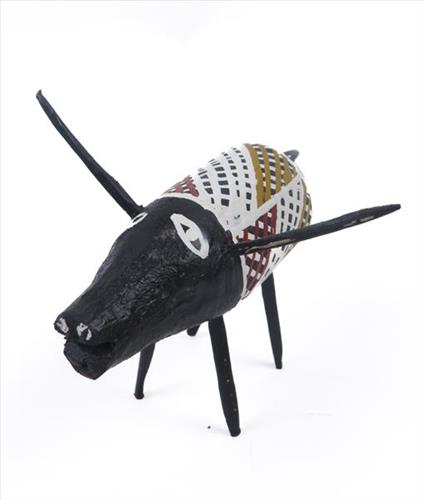
As well as the more functional carvings, artists portray animals and birds in wood, and these carvings are often painted. Ceremonial carvings include spirit creatures including mukuy (devil devils) and mimi.

Some fine mimi figures have been cast in bronze.

221382365905


Bird and Snakes

Wood carving has always been part of Aboriginal culture and Djilpin artists continue this tradition. Men carved wood for many purposes – tools for hunting or gathering food, axes and knives for building shelters, spears and clubs for protection of their lives and territory, objects for ceremony and to mark sacred sites.

Hunting implements include the boomerang, woomera and spear. The woomera is a lever which helps to increase the speed and distance the spear travels. Clapsticks are used as percussion instruments by the Songmen to accompany dancing along with the didgeridoo (mago).

As well as the more functional carvings, artists portray animals and birds in wood, and these carvings are often painted. Ceremonial carvings include spirit creatures including mukuy (devil devils) and mimi.

Some fine mimi figures have been cast in bronze.
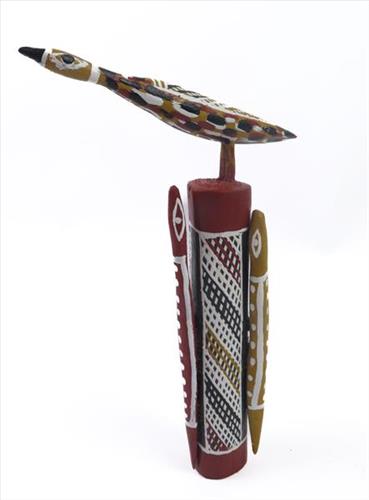
221382365904


Water Beetle

Wood carving has always been part of Aboriginal culture and Djilpin artists continue this tradition. Men carved wood for many purposes – tools for hunting or gathering food, axes and knives for building shelters, spears and clubs for protection of their lives and territory, objects for ceremony and to mark sacred sites.

Hunting implements include the boomerang, woomera and spear. The woomera is a lever which helps to increase the speed and distance the spear travels. Clapsticks are used as percussion instruments by the Songmen to accompany dancing along with the didgeridoo (mago).

As well as the more functional carvings, artists portray animals and birds in wood, and these carvings are often painted. Ceremonial carvings include spirit creatures including mukuy (devil devils) and mimi.

Some fine mimi figures have been cast in bronze.

221382365903


Water Buffalo

Wood carving has always been part of Aboriginal culture and Djilpin artists continue this tradition. Men carved wood for many purposes – tools for hunting or gathering food, axes and knives for building shelters, spears and clubs for protection of their lives and territory, objects for ceremony and to mark sacred sites.

Hunting implements include the boomerang, woomera and spear. The woomera is a lever which helps to increase the speed and distance the spear travels. Clapsticks are used as percussion instruments by the Songmen to accompany dancing along with the didgeridoo (mago).

As well as the more functional carvings, artists portray animals and birds in wood, and these carvings are often painted. Ceremonial carvings include spirit creatures including mukuy (devil devils) and mimi.

Some fine mimi figures have been cast in bronze.
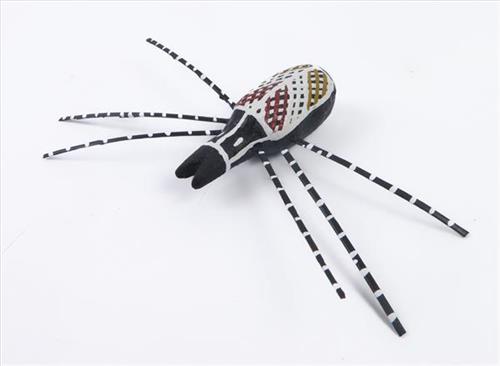
221382365902


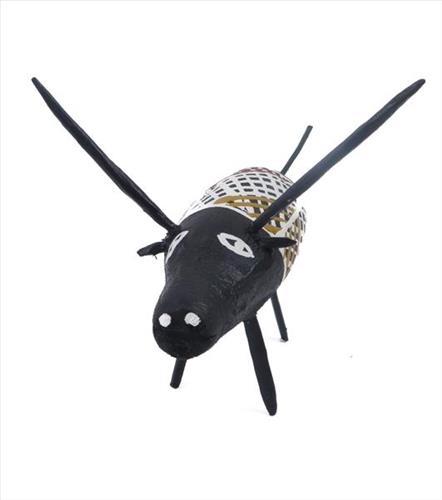
Water Buffalo

Wood carving has always been part of Aboriginal culture and Djilpin artists continue this tradition. Men carved wood for many purposes – tools for hunting or gathering food, axes and knives for building shelters, spears and clubs for protection of their lives and territory, objects for ceremony and to mark sacred sites.

Hunting implements include the boomerang, woomera and spear. The woomera is a lever which helps to increase the speed and distance the spear travels. Clapsticks are used as percussion instruments by the Songmen to accompany dancing along with the didgeridoo (mago).

As well as the more functional carvings, artists portray animals and birds in wood, and these carvings are often painted. Ceremonial carvings include spirit creatures including mukuy (devil devils) and mimi.

Some fine mimi figures have been cast in bronze.

221382365901


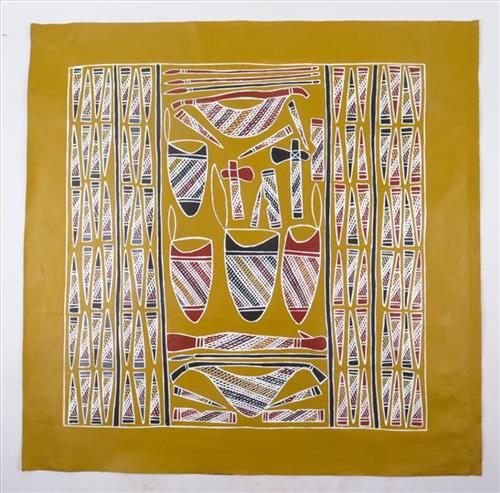
Wagilak Story

Gangilala Man when he was hunting or sugarbag.

Djilpin Arts is a not for profit Aboriginal Corporation that promotes the maintenance, development and transmission of traditional cultural knowledge systems.

Djilpin Arts specialises in art, live cultural performance, digital media, and produced the popular performance event – the Walking With Spirits Festival as well as Concerts on Country.

Djilpin Arts operates the Ghunmarn Culture Centre – home of the Blanasi Collection and offers fine arts & crafts for sale. Djilpin Arts operates an outlet in Katherine – Shed 5, where all works are sourced from Ghunmarn Culture Centre. Ghunmarn Culture Centre is in the Wugularr (Beswick) community of South East Arnhem Land.

All artworks are made by local artists living in the community. Artwork reflects the traditional songs and stories that have been passed down through the generations with a contemporary edge.  Fibre art is a special feature of Djilpin Arts as is its Gapu Series of fine art prints.

377815582366111


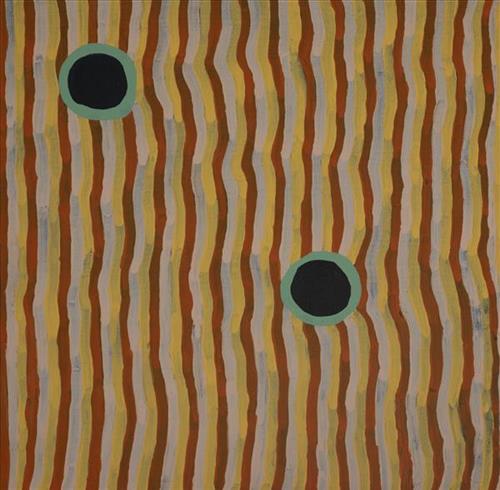
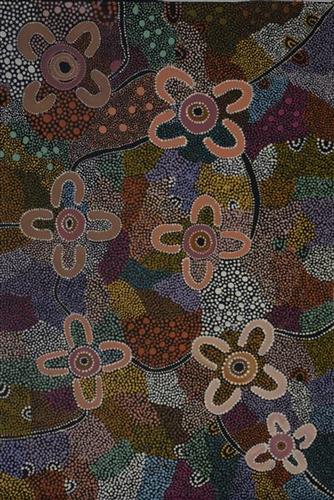
Seven Sisters

 This artwork showcases the artist’s skillful use of colour, texture, and technique, reflecting a deep connection to their environment and culture. Each detail embodies the unique identity of Bidyadanga Artists, where the original five language groups—Nyangumarta, Mangala, Yulparija, Juwaliny, and Karrajarri—come together to create art that speaks to the heart of Country. Over time, the community and Art Centre has grown to include people from other Kimberley tribes, fostering a space where diverse cultural knowledge and practices come together. Situated where the desert meets the sea, artists draw inspiration from their ancestral Country and personal journeys. The artist captures the vibrant beauty of both desert and coastal landscapes, blending earthy reds, deep blues, and intricate patterns distinctive to their cultural heritage. The themes and composition invite viewers into the artist’s world, offering a glimpse of the rich, intertwined histories and the enduring connection to land and spirit that define the Bidyadanga community.

377815582366110


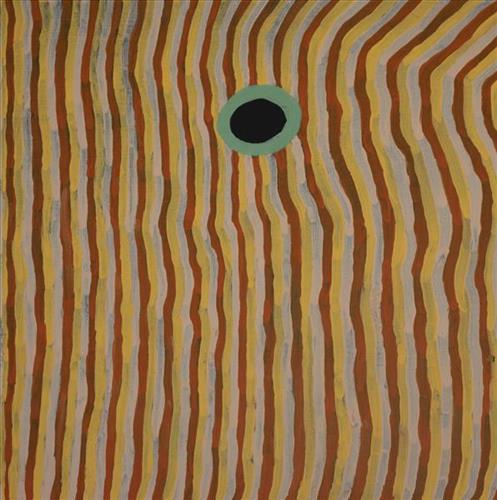
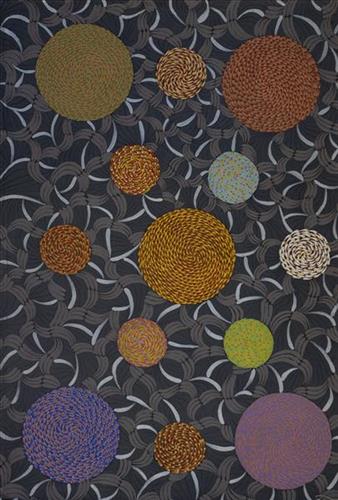
Seeds

 This artwork showcases the artist’s skillful use of colour, texture, and technique, reflecting a deep connection to their environment and culture. Each detail embodies the unique identity of Bidyadanga Artists, where the original five language groups—Nyangumarta, Mangala, Yulparija, Juwaliny, and Karrajarri—come together to create art that speaks to the heart of Country. Over time, the community and Art Centre has grown to include people from other Kimberley tribes, fostering a space where diverse cultural knowledge and practices come together. Situated where the desert meets the sea, artists draw inspiration from their ancestral Country and personal journeys. The artist captures the vibrant beauty of both desert and coastal landscapes, blending earthy reds, deep blues, and intricate patterns distinctive to their cultural heritage. The themes and composition invite viewers into the artist’s world, offering a glimpse of the rich, intertwined histories and the enduring connection to land and spirit that define the Bidyadanga community.