220982359471


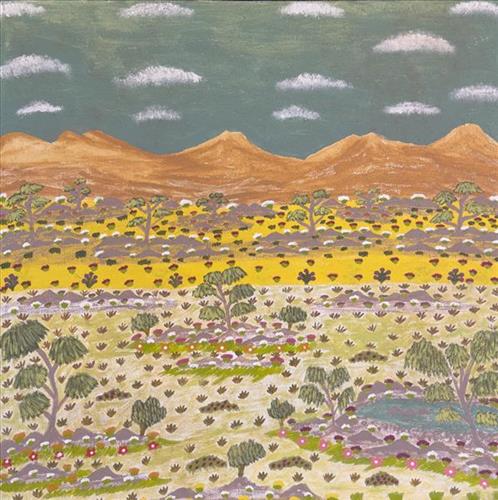
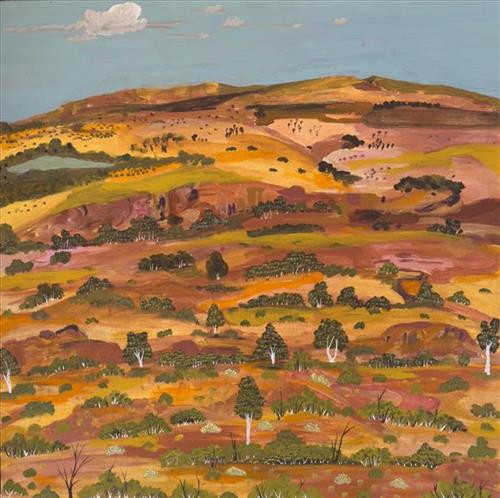
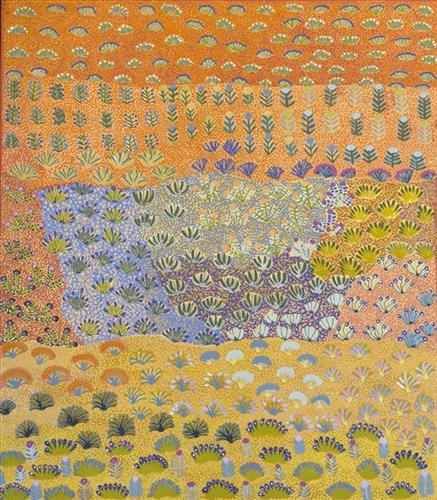
Diane Kemarre Ross – My Country

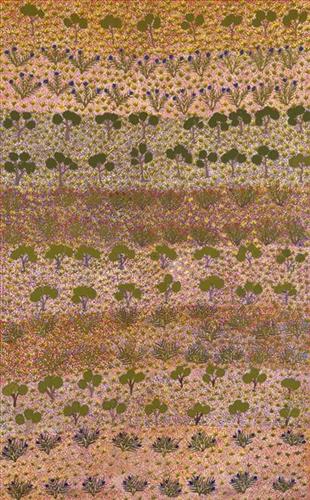
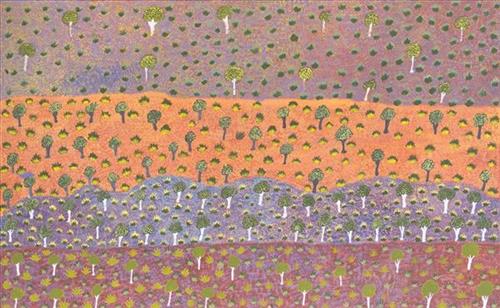
This is my country, it’s the country around Irrultja. This is where we like to go after big rain. After big rain there, we can go swimming. There is always good hunting on my country. It is good for me to paint my country and it makes me feel good.

The artists of Ampilatwatja made a conscious decision not to paint altyerr (dreaming stories). The artists paint their country where those stories sit.
220982359470


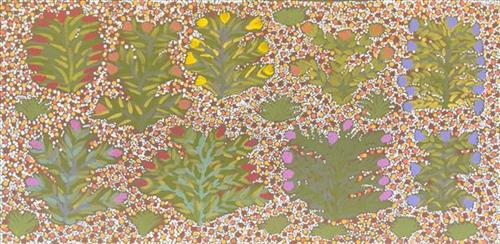
Heather Pitjara Corbett – Bush Medicine Country

I paint landscapes because it connects me to my country by the waters, hills, trees and skies, the seasoning of this country. My work comes from my heart, we remember through our grandparents, through inspiration from our past.

My country is where we search for bush medicine and bush tucker, which are different with every changing season, it feels like I connect with my elders, it connects me back to our country

220982359469


Valerie Kemarre Ross – My Mothers Country

My mothers country is flowers, trees and mountains. I love to paint them. We see springs, the water from the springs is like rainwater, fresh and clean. We hunt goanna and turkeys, we roast them in the fire and the flesh is strong and sweet.

When we hunt we sleep at night next to the fire, the skies are big and the stars are beautiful, it makes me feel good.

220982359466


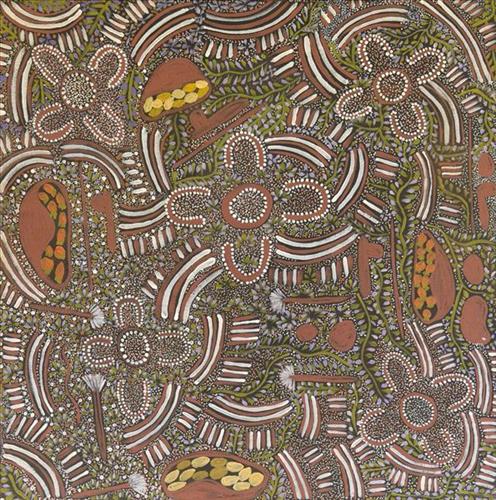
Colleen Ngwarraye Morton – Hunting

Colleen is one of the original artists in the Utopian batik movement in the 1980’s and has been successfully painting ever since.

Colleen’s paintings often depict her Grandfather’s country where her family have hunted for many years. As a child she was taught about the seasonal bush medicines and plants that grew there and how to gather them. “When I was a little girl I would go and collect the seed from the altywart grass with my grandmothers. They would teach us how to hang on to the tree and grind the seeds with our feet. We would carry the seed in our coolamon back to the camp, then make damper, cook it on the fire and eat with our families”.

The elders would teach the importance of looking after country and that the sacred ancestral spirits watch over and protect the animals and plants. Her Mother and Grandmother taught her about bush medicine, a topic that is especially important to Colleen and is expressed within her paintings.

The layers of Colleen’s paintings are as detailed and complex as the stories she paints. Her paintings help to keep her culture strong and keep the stories alive to be shared and used to educate current and future generations. 


220982359463


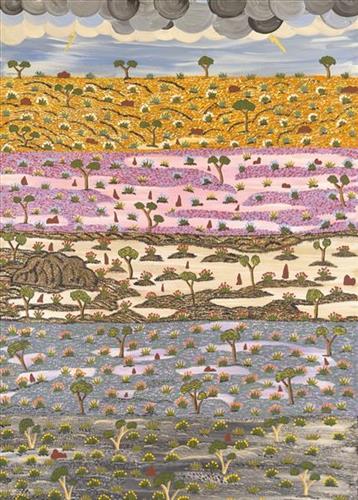
Bush Flowers

These bush flowers grow seasonly in Alyawarr country, some of which are also used in bush medicine remedies.

When I go out hunting, I like to see all the bush flowers that are flowering and then when I come back, I paint them.

The artists of Ampilatwatja made a conscious decision not to paint altyerr (dreaming stories). The artists paint their country where those stories sit.
220982359462


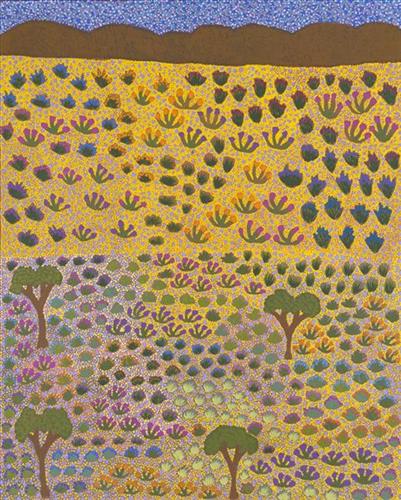
Elizabeth Ngwarraye Bonney – My Grandmothers Country

I still hunt my Grand Mothers country for goanna, bush medicine and yams.

I hunt all year round, hunting and walking through the country makes me happy.  When I look at the distant hills I can feel my grandmother.  Bush flowers are everywhere.

Painting and printing my grandmother’s country reminds about those times.

220982359788


Nancy Pitjara Frank – Bush Flowers

I was born in the bush at Ammaroo Station, along the Sandover.  I have never seen the ocean or a big city. My mother and father were strong healthy people who taught me and my younger sister Rita the traditional way to hunt for Kangaroo, Goanna and Porcupine. 

We know how to gather bush tucker (secrets of the earth) and bush medicine plants.  My mother used grinding stones to make seed damper.

When I paint I think about good memories, being a young girl and walking through the land.  My mother made paint from two stones and showed us ceremony painting and how to sing and dance for ceremonies.  I still sing and dance and collect the bush medicines, I like to make tea from the small purple flowers of Arreth (hill fuchsia).

Painting bush medicine stories is important because it helps to maintain a strong knowledge and culture for the community.

220982359787


Rita Pitjara Beasley – My Father’s Country

“This is my Father’s country.

This place is our hunting place. I always go with my daughters and their children, I show them this place and teach them about the swampy country. We hunt for goannas, bush potato, bush tomato and after the big rain the bush medicine is picked and the roots are dug up to be used.

It is important as my mother taught me this and now I teach my family.”

The community of Ampilatwatja made a conscious decision not to paint altyerr (dreaming stories). The artists paint their country where those stories sit.
220982359786


Julieanne Ngwarraye Morton – My Country, My Bush Medicine

My Mother, Lilly Kemarre, taught me to paint. She likes to paint her Mother’s and Father’s country from the old days, when they used to live off of the land.

The landscape changes during the different seasons in the year. I paint the dried flowers and bushes from last season as well as the new plants that come after the rain. These plants have special meanings and uses for us. I have been taught how to read the country, and now I teach my children these skills.

Julieanne’s painting’s are inspired by her Mother’s stories of the old days, walking and living on their land, and also of her own experience of life out here in Alyawarr country.

114182360138


Kuntjanu – Rockhole and Water Snake

Kuntjanu is a women’s site, a powerful place from the Pitjantjatjara Lands in South Australia.
Long ago, the women came to Kuntjanu. The land was good — rich with bush foods, and the Rockhole there was full, a sweet place to rest for a while. They gathered, they stayed, they shared that time together.

But they were uneasy.

A water snake lived in that Rockhole. They could feel it, watching. Its presence made them nervous.
They worried it might do something — harm them, chase them.
So even in the midst of plenty, they held close to each other, alert, always listening to the land.