Basket
Art Centre notes:
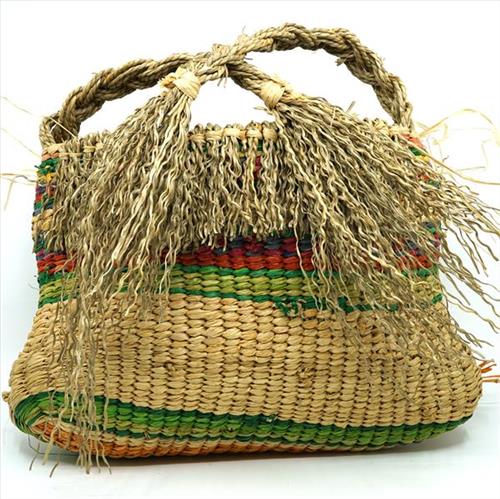
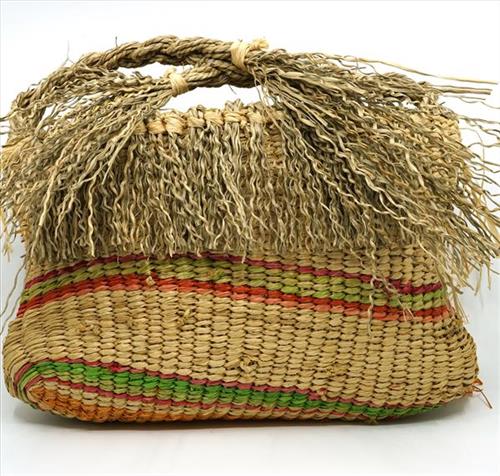
The basket is made of natural raffia and sea chord. It is made using a traditional ‘one twist’ method.
The dyes are commercial and colour fast.
Art Centre notes:
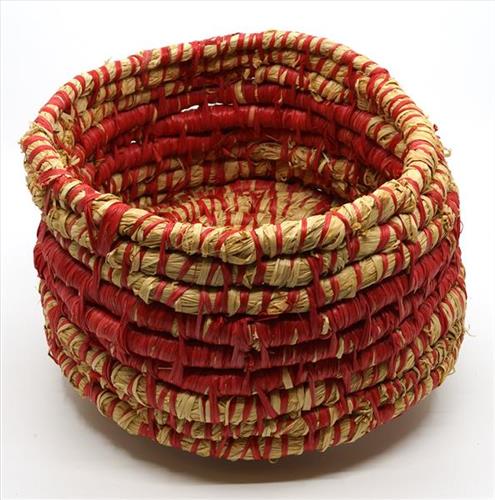
The basket is made of natural raffia and sea chord. It is made using a traditional ‘one twist’ method.
The dyes are commercial and colour fast.
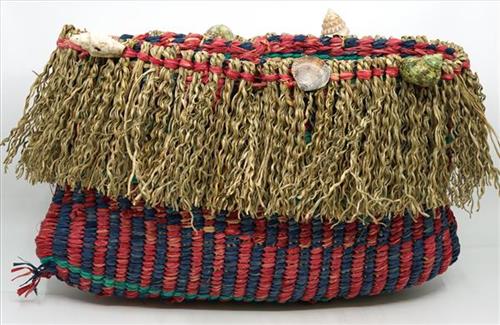
Art Centre notes: The bag is made of natural raffia, sea cord and shells. It is made using a traditional ‘one twist’ method. The dyes are commercial and colour fast. The shells are used for decoration.
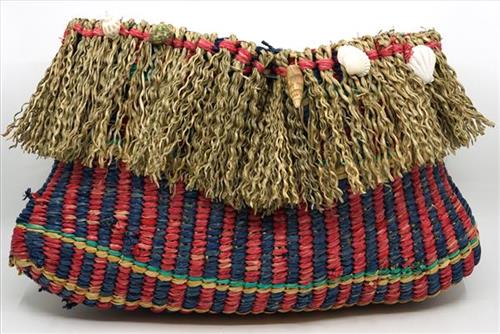
Art Centre notes: The bag is made of natural raffia, sea cord and shells. It is made using a traditional ‘one twist’ method. The dyes are commercial and colour fast. The shells are used for decoration.
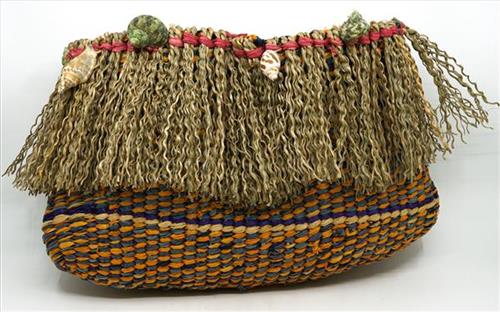
Art Centre notes: The bag is made of natural raffia, sea cord and shells. It is made using a traditional ‘one twist’ method. The dyes are commercial and colour fast. The shells are used for decoration.
Art Centre notes: The bag is made of natural raffia, sea cord and shells. It is made using a traditional ‘one twist’ method. The dyes are commercial and colour fast. The shells are used for decoration.
Art Centre notes: The bag is made of natural raffia, sea cord and shells. It is made using a traditional ‘one twist’ method. The dyes are commercial and colour fast. The shells are used for decoration.

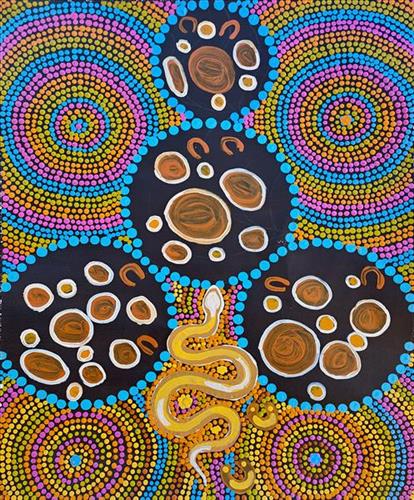
Kuntjanu is a women’s site, a powerful place from the Pitjantjatjara Lands in South Australia.
Long ago, the women came to Kuntjanu. The land was good — rich with bush foods, and the Rockhole there was full, a sweet place to rest for a while. They gathered, they stayed, they shared that time together.
But they were uneasy.
A water snake lived in that Rockhole. They could feel it, watching. Its presence made them nervous.
They worried it might do something — harm them, chase them.
So even in the midst of plenty, they held close to each other, alert, always listening to the land.

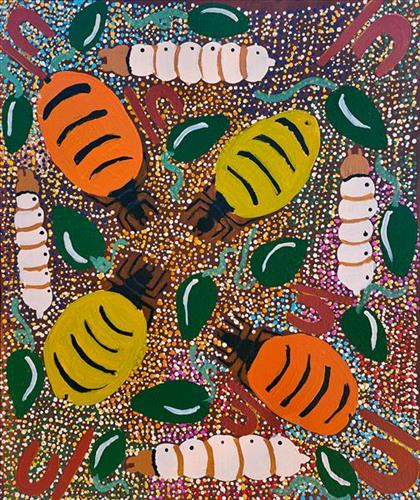
The Anangu people travelled vast desert landscapes, following the seasons for food and shelter, deeply attuned to the rhythms of the land. This resilience and wisdom embedded in traditional bush foods that sustained them across generations.
Maku (Witchety Grubs), with their creamy, nutty flavour, represent survival and the resourcefulness to draw nourishment from deep within tree roots. Kampurarrpa (Desert Raisins), small and tangy, add brightness and essential nutrients to desert diets, thriving under intense sun.
Ipalu (Bush Banana), a climbing vine with crisp, slender fruits, offers fibre and hydration—a refreshing staple in arid climates. Ili (Bush Figs), with their mild sweetness, grow from rugged trees, offering a delicate treat in the harsh terrain.
Through vibrant colours and intricate designs, these bush foods embody the spirit of Ngaanyatjarra culture, each a testament to the land’s gifts and the knowledge passed through generations.

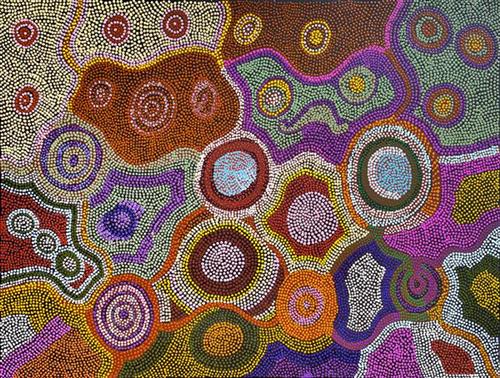
In the 1960’s the Ngaanyatjarra people were coerced into moving to Warburton where a Mission had been established. In the early days, parents would leave their children at the mission for schooling while they went bush continuing their traditional ways.
Papulankutja (Blackstone) was established in the early 1980’s after the Ngaanyatjarra people walked out of the mission at Warburton and returned to their homelands.
The original location for Papulankutja (Blackstone) was at a place called Singing Rock, 10kms west of its current location. You can still see the remains of the original wiltjas or shelters built by the family groups to live in. They moved to the current site where there was a water supply provided by a bore.
Anawari is telling the story of moving from Warburton, travelling overland to settle in Blackstone. How the old people set up camps, bought their cattle, dogs and camels, carts and bedding. They found good water and sat down to stay in Blackstone (Papulankutja). She has depicted the family groups in front of their wiltjas with fires alight and dogs roaming. In the top section she has depicted the men (footprints) hunting using traditional weapons such as the kali (boomerang), spear thrower and kularta (spear).

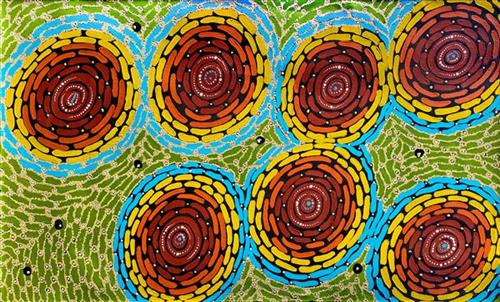
‘Kungkarrangkalpa’ (The Seven Sisters or Pleaides) is significant Tjukurrpa (dreamtime). Its origins you may be familiar with in astronomy and its connection to ‘Wati Nyiru’ (Magic Man or Orion). The roots of this dreaming stems across indigenous groups around the world. The Australian Aboriginal songline is one part to the whole dreaming which can be traced all around the world. The ladies of the Ngaanyatjarra Lands depict their significant chapter and understanding of the journey of the sisters. The different versions of this story depend on where you live and the significance’s of local Tjukurrpa places.
Nyiru fell in love with the sisters but he was of the wrong skin group to marry, but he still pursued them on their journey. The sisters travel across the land to escape Nyiru’s unwanted attentions, but he is persistent and always finds them. There are significant land forms which can be sited today that evidence this dreaming. As Nyiru is chasing the sisters he tries to catch them by using magic to turn into the most tempting kampurarrpa (bush tomato) and the most beautiful Yirli (wild fig tree), for them to eat and camp under. However, the sisters are knowledgeable of his magic and too clever for Nyiru who they outwit again and again. They go hungry and run through the night rather than be caught by him. As the journey continues, Nyiru gets so frustrated at the wit of the sisters that he uses his magic to make the oldest sister sick to try and get closer to her. The other sisters rescue the big sister and nurse her back to health. It is said he also captures the youngest sister, but with the help of the oldest sister, she escapes back to her sisters who are waiting for her. Eventually, the sisters fly into the sky to escape Nyiru, forming the constellation. Nyiru felt lonely, longing for the sisters who were so far away. Nyiru used his magic to go to the sky, forever in pursuit.