220982225833


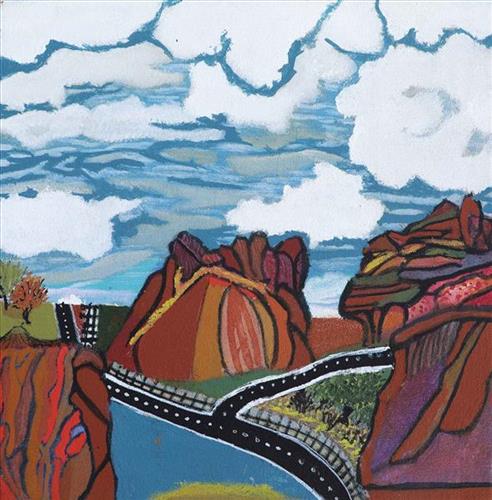
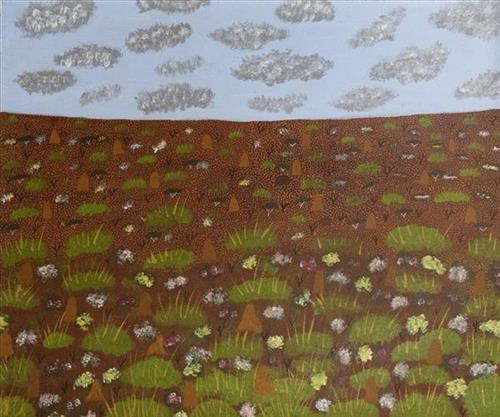
View Of Country

This shows the layered landscape of Alyawarr, Central Australia. Knowing your country is an important part of living in a remote community like Ampilatwatja.

Knowing when and where to go hunting and gathering, knowing where there is ‘soakage’ (where you can dig for water), travelling with family for ceremonies, and maintaining a connection with the land.

“This is my country, my view of country.”

The community of Ampilatwatja made a conscious decision not to paint altyerr (dreaming stories). The artists paint their country where those stories sit.
 

221282239745


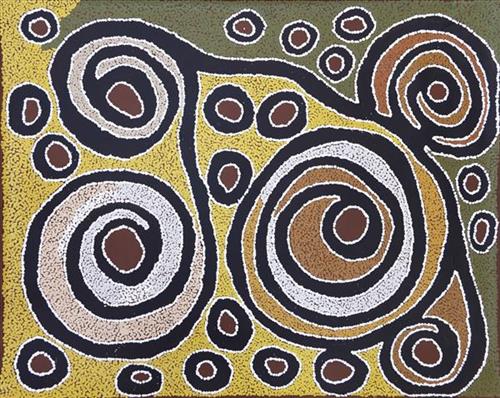
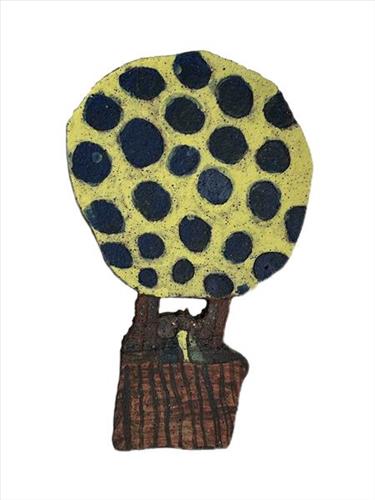
Tjala / Honey Ants

Tjala or honey ants live in nests about a metre underground beneath mulga trees, and they are a highly favoured food source. The tjala tunnels that lead down to the ants’ nests are called nyinantu, and the larvae are called ipilyka-ipilyka. After the rain when the ground is soft the women go digging for tjala by looking for the drill holes under the trees. They then use shovels and crowbars to dig down following the tunnels to find the tjala inside. Anangu suck the delicious rich honey-like liquid from the distended abdomen of the tjala. The story of the tjala is told across the Northern Territory into South Australia and is an important link between Anangu mythology and inter-dependence on the environment.

224982315265


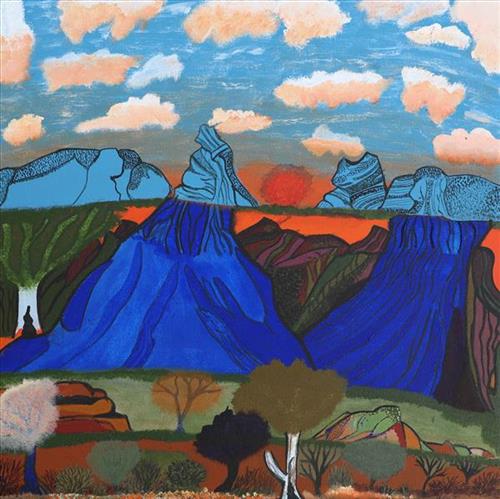
My Grandmother’s Country

This painting is about Maureen’s grandmother’s country in the Gibson Desert near Kulkurta, Central Australia. Her mother and siblings were all born here so Maureen feels a strong connection to this part of the lands. There are many water holes in the desert which become important landmarks as water is scarce. Families travel from rockhole to rockhole to camp and collect water. Maureen has included these in her painting as well as the tali (sand hills)

221282322979


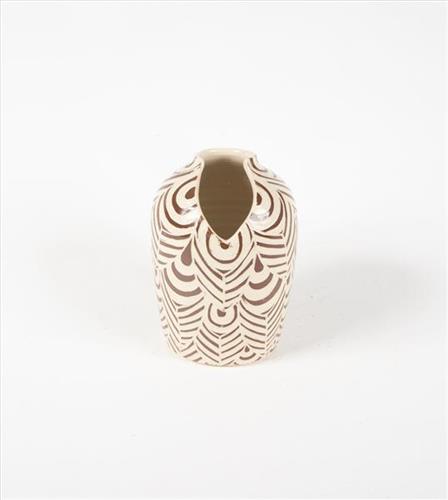
Ikarka – Spotted Bowerbird

When I was a little kid me and my family used to go hunting for tjala (honey ants) in the bush and we used to see a lot of ikarka under the mulga trees. The birds were collecting snails and little shiny things like glass, necklace, anything that shines, sometimes even money.  Those birds collect anything and everything that’s pretty.

Ikarka have a big nest in the long grass and they sit in the middle. They hide the shiny things under the snail shells. We used to move the snails and find the things they’ve hidden. Dad always said ‘go and play in the bush and you might get lucky’ and I did, I found $1 and $2 coins.


221282322900


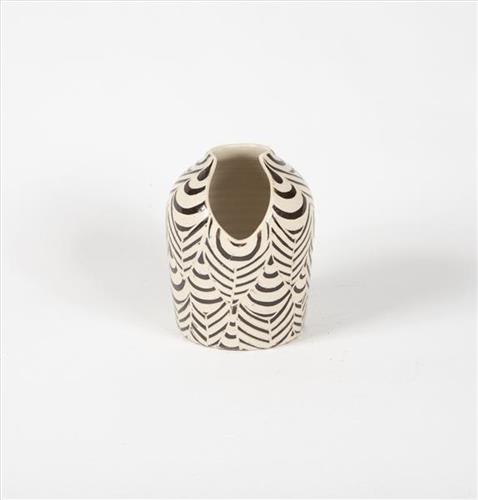
Ikarka – Spotted Bowerbird

When I was a little kid me and my family used to go hunting for tjala (honey ants) in the bush and we used to see a lot of ikarka under the mulga trees. The birds were collecting snails and little shiny things like glass, necklace, anything that shines, sometimes even money.  Those birds collect anything and everything that’s pretty.

Ikarka have a big nest in the long grass and they sit in the middle. They hide the shiny things under the snail shells. We used to move the snails and find the things they’ve hidden. Dad always said ‘go and play in the bush and you might get lucky’ and I did, I found $1 and $2 coins.


221282338742


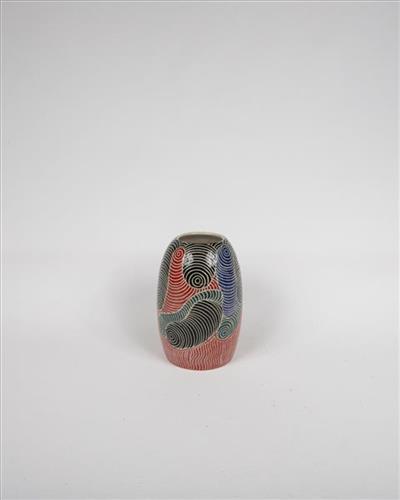
Ngayuku Walka / My Design

Walka means design or pattern. Artists use this title to describe artworks that are pattern based rather than descriptive or telling a story.