221282341685
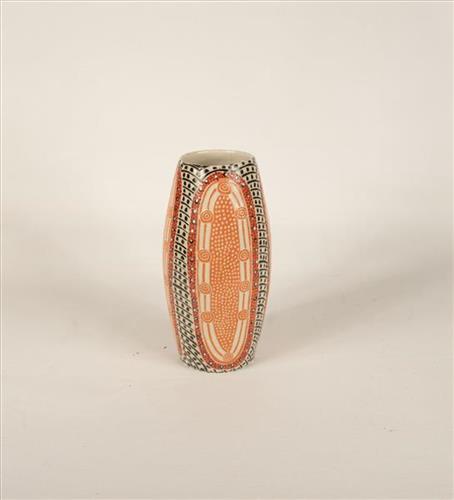
Putipulawa Putitja – Wildflowers
This design is based on the many native flowers that grow locally in Pukatja and through the Musgrave Ranges. When we go out to the bush, we see all the different colours from many plants growing. Flowers are important to the women and the health of the land, and much excitement is felt as they burst into life.
220982347135
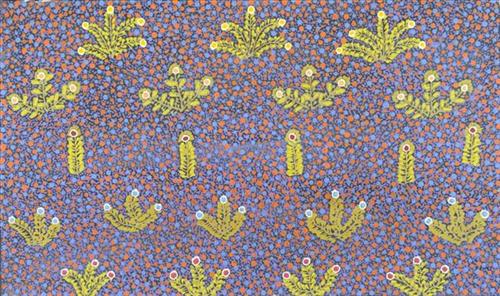
Bushflowers – Lotoya Petrick
The artists of Ampilatwatja made a conscious decision not to paint ‘altyerr’ dreaming stories. The artists paint their country where those stories sit.
These bush flowers grow seasonly in Alyawarr country, some of which are also used in bush medicine remedies.
“I have just started painting, my grandmother Elizabeth Ngwarraye Bonney has been teaching me, she tells me all about the bush Flowers
221282351243
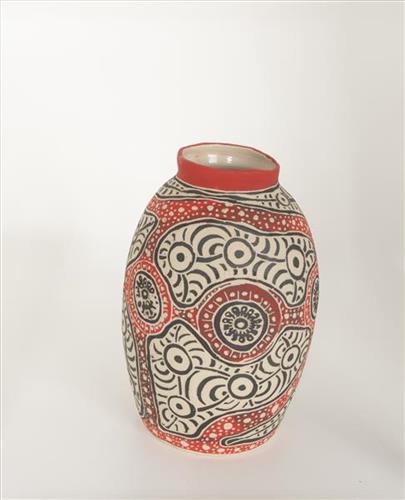
Wira Walka
Wira is a small cup-like digging bowl or multi-purpose object. In the early days this walka (design) was burnt with wire on to wooden carvings, particularly onto the wira. This association with women has seen the wira walka take on an identity as a female design. It is also highly reminiscent of the marks made in ochre or paint on a woman’s breasts during inma (ceremony). This design has become an iconic element in art from the Anangu Pitjantjatjara Yangkantjatjara Lands.
221282352241
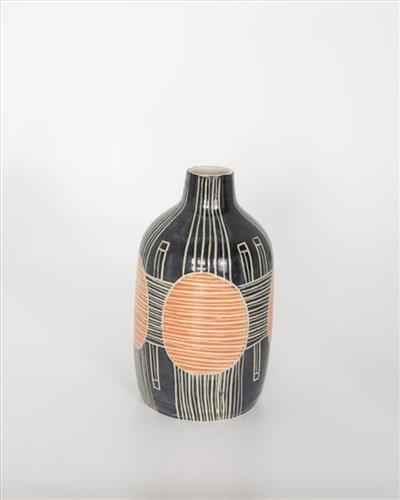
Tjukula/Waterholes
For the Pitjantjatjara people living in the desert, knowledge of their water sources was critical to their survival. This resulted in an intimate understanding of the landscape which continues today. Water is an essential element in the desert. These rock holes were particularly important during the dry season when most of the water holes and creeks dried up. Deep familiarity with the topography of their country and the way rain would interact with the land ensured constant sources of water could be found. Knowledge of rock hole sites is passed on from generation to generation and revered by all Anangu (people).
Tjukula means rock-holes, which are found with surprising frequency in the Musgrave Ranges and country around Ernabella. Between visits, Anangu would use a construction of rocks and spinifex to guard these important water sources from spoilage by feral and stock animals such as cattle, camels, horses and donkeys.

220182355330
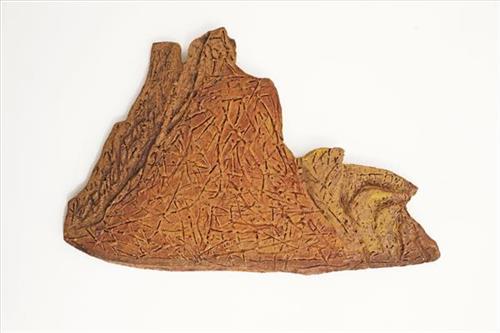
Ranges at Kaltukatjara

220182355328
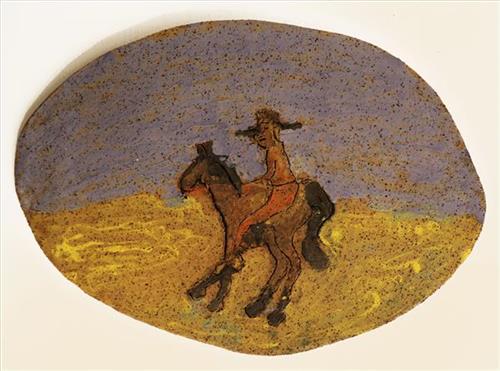
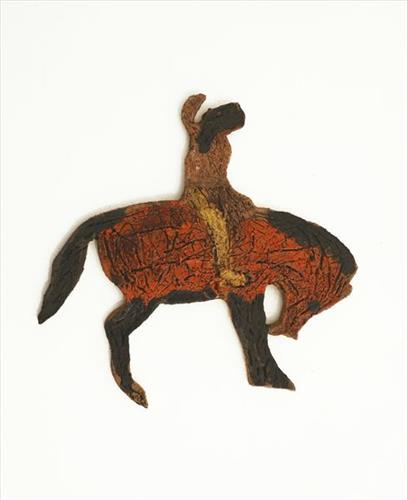
Lonesome Cowboy

220182356751
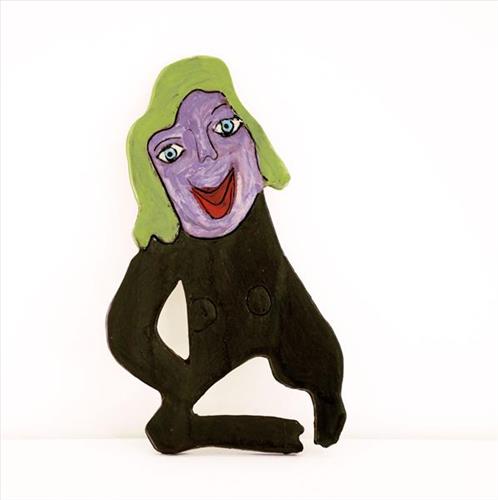
Naked woman with green hair

220182356750
Woman Two