115682415876


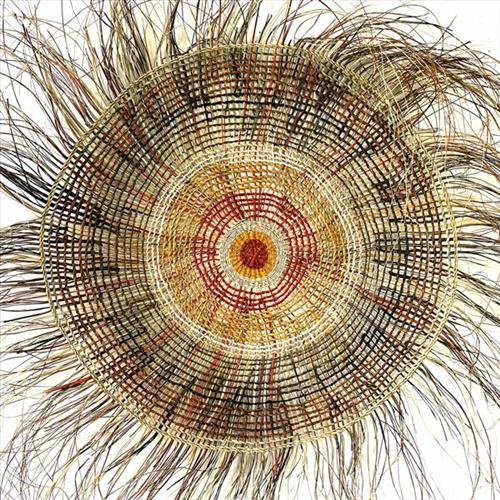
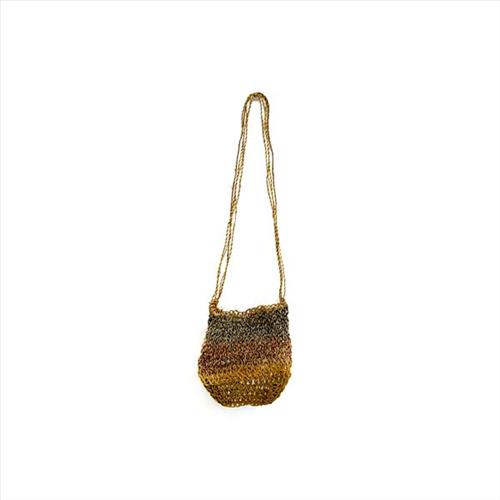
Djerrk (Bush String Bag)

Djerrk (Bush String Bag) is a flexible, open weave bag made from the bark of Balgurr (red-flowered Kurrajong) but can also be made using Banyan Tree or the Cocky Apple Tree.

The bark is harvested by cutting sections of the tree from the trunk. Depending on the size of the tree, this can involve removing small sections or the whole trunk. The inner bark is then softened by being beaten or chewed, then dyed.

Bula’bula weavers exclusively use natural dyes, derived from locally sourced roots, leaves and grasses. These pigments are extracted and infused into dried balgurr fibres by boiling over an open fire, producing the rich, vibrant colours characteristic of contemporary Yolŋu weavings.

Once dyed, the fibre is separated into fine strips the rolled on the thigh to create a rope, otherwise known as bush string. The bush string is woven and knotted to create the Djerrk (String Bag). This bag was used for every day utilitarian purposes, particularly collecting bush foods.
115682415874


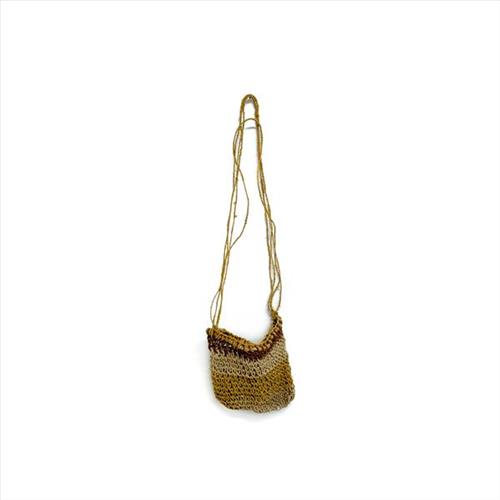
Djerrk (Bush String Bag)

Djerrk (Bush String Bag) is a flexible, open weave bag made from the bark of Balgurr (red-flowered Kurrajong) but can also be made using Banyan Tree or the Cocky Apple Tree.

The bark is harvested by cutting sections of the tree from the trunk. Depending on the size of the tree, this can involve removing small sections or the whole trunk. The inner bark is then softened by being beaten or chewed, then dyed.

Bula’bula weavers exclusively use natural dyes, derived from locally sourced roots, leaves and grasses. These pigments are extracted and infused into dried balgurr fibres by boiling over an open fire, producing the rich, vibrant colours characteristic of contemporary Yolŋu weavings.

Once dyed, the fibre is separated into fine strips the rolled on the thigh to create a rope, otherwise known as bush string. The bush string is woven and knotted to create the Djerrk (String Bag). This bag was used for every day utilitarian purposes, particularly collecting bush foods.
115682415733


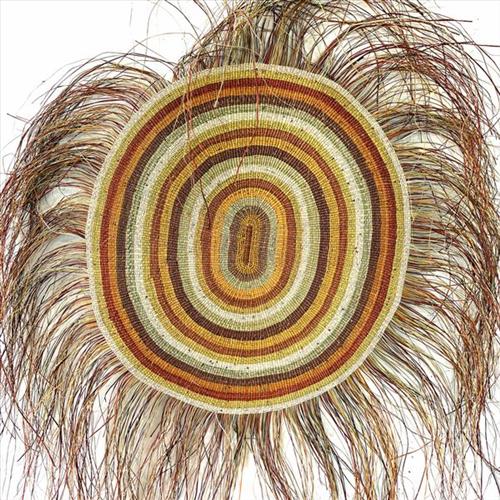
Woven Mat

Yolŋu weavers of Arnhem Land create utilitarian, ceremonial, and decorative pieces using naturally sourced materials. This mat is made from young Pandanus spiralis leaves, harvested with a wooden hook, stripped of prickles, and dried to create strong, resilient fibres. These fibres are then twisted, coiled, or woven using traditional techniques to produce both functional and decorative mats.

Bula’bula weavers exclusively use natural dyes, derived from locally sourced roots, leaves and grasses. These pigments are extracted and infused into pandanus fibres by boiling over an open fire, producing the rich, vibrant colours characteristic of contemporary Yolŋu weavings.

Traditionally, Nganiyal (conical mats) functioned as insect screens when erected and as seating mats when folded, playing an important role in both daily life and ceremonial practices. Today, Yolŋu artists create a variety of shapes, including flat, round, and oblong mats. These non-traditional styles and the use of bright colours became more common after Missionaries began commissioning pieces in this style.

115682415729


Woven Mat

Yolŋu weavers of Arnhem Land create utilitarian, ceremonial, and decorative pieces using naturally sourced materials. This mat is made from young Pandanus spiralis leaves, harvested with a wooden hook, stripped of prickles, and dried to create strong, resilient fibres. These fibres are then twisted, coiled, or woven using traditional techniques to produce both functional and decorative mats.

Bula’bula weavers exclusively use natural dyes, derived from locally sourced roots, leaves and grasses. These pigments are extracted and infused into pandanus fibres by boiling over an open fire, producing the rich, vibrant colours characteristic of contemporary Yolŋu weavings.

Traditionally, Nganiyal (conical mats) functioned as insect screens when erected and as seating mats when folded, playing an important role in both daily life and ceremonial practices. Today, Yolŋu artists create a variety of shapes, including flat, round, and oblong mats. These non-traditional styles and the use of bright colours became more common after Missionaries began commissioning pieces in this style.

116482415808


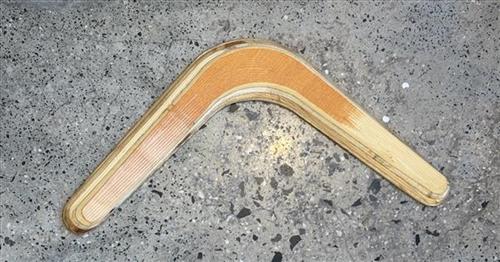
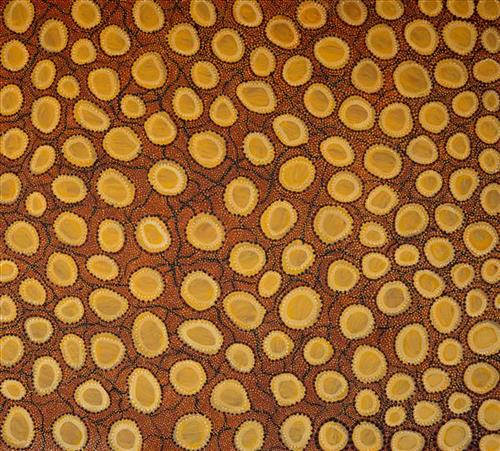
Colours Through The Rocks

In Yindjibarndi country there are many different shaped rock formations. It looks like a truck has tipped a huge pile of rocks. At different times of the day, especially in the evening sunset, you will see the beautiful colours changing across the face of the rocks which compliments the soft spinifex growing through the country.