115682416148


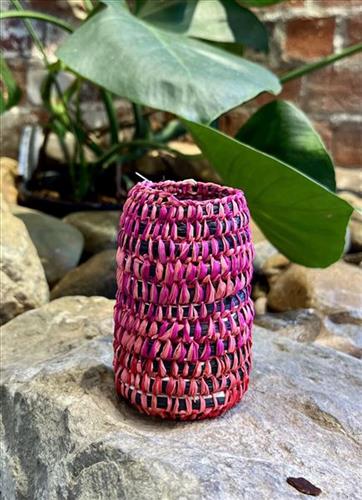
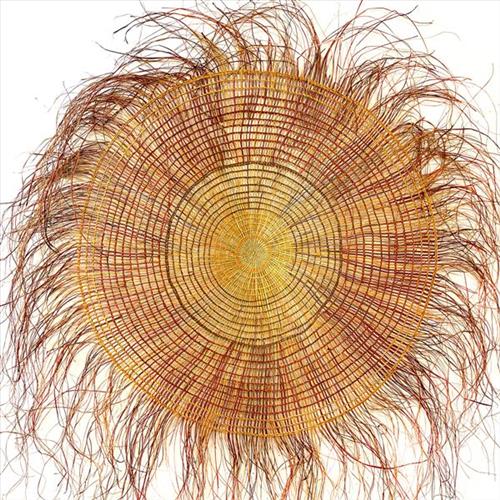
Woven Mat

Yolŋu weavers of Arnhem Land create utilitarian, ceremonial, and decorative pieces using naturally sourced materials. This mat is made from young Pandanus spiralis leaves, harvested with a wooden hook, stripped of prickles, and dried to create strong, resilient fibres. These fibres are then twisted, coiled, or woven using traditional techniques to produce both functional and decorative mats.

Bula’bula weavers exclusively use natural dyes, derived from locally sourced roots, leaves and grasses. These pigments are extracted and infused into pandanus fibres by boiling over an open fire, producing the rich, vibrant colours characteristic of contemporary Yolŋu weavings.

Traditionally, Nganiyal (conical mats) functioned as insect screens when erected and as seating mats when folded, playing an important role in both daily life and ceremonial practices. Today, Yolŋu artists create a variety of shapes, including flat, round, and oblong mats. These non-traditional styles and the use of bright colours became more common after Missionaries began commissioning pieces in this style.
115682416147


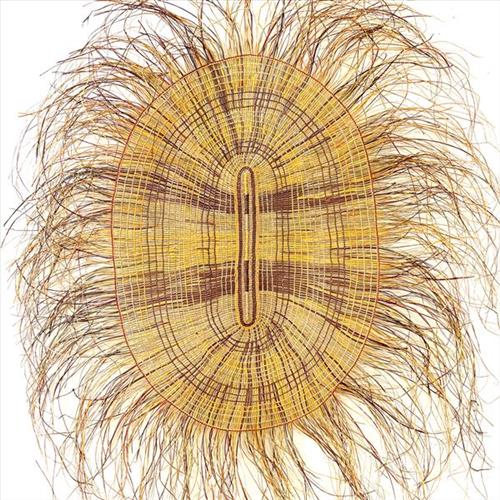
Woven Mat

Yolŋu weavers of Arnhem Land create utilitarian, ceremonial, and decorative pieces using naturally sourced materials. This mat is made from young Pandanus spiralis leaves, harvested with a wooden hook, stripped of prickles, and dried to create strong, resilient fibres. These fibres are then twisted, coiled, or woven using traditional techniques to produce both functional and decorative mats.

Bula’bula weavers exclusively use natural dyes, derived from locally sourced roots, leaves and grasses. These pigments are extracted and infused into pandanus fibres by boiling over an open fire, producing the rich, vibrant colours characteristic of contemporary Yolŋu weavings.

Traditionally, Nganiyal (conical mats) functioned as insect screens when erected and as seating mats when folded, playing an important role in both daily life and ceremonial practices. Today, Yolŋu artists create a variety of shapes, including flat, round, and oblong mats. These non-traditional styles and the use of bright colours became more common after Missionaries began commissioning pieces in this style.
377810582416214


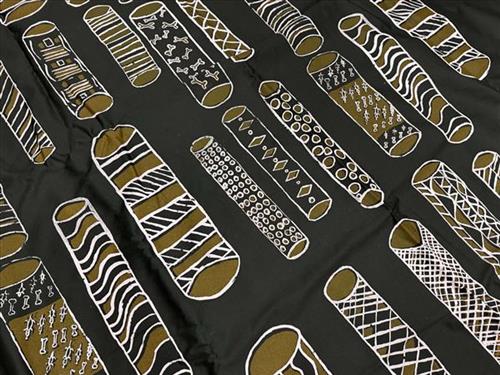
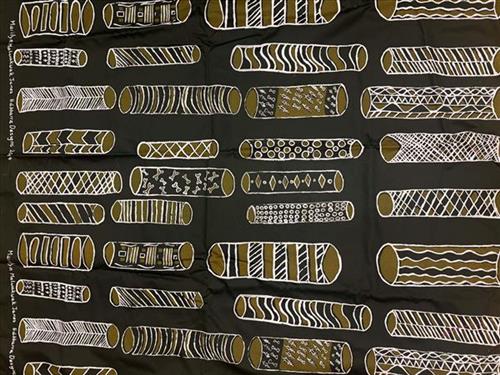
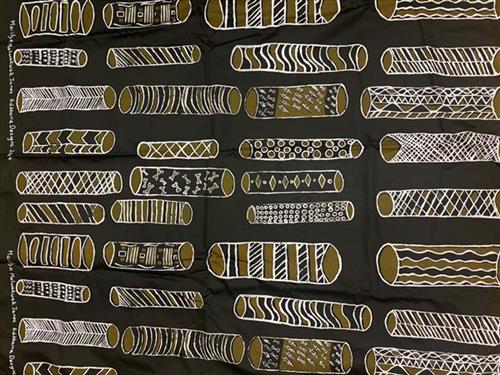
Lorrkkon (Hollow Funeral Log)

Black cotton drill with brown and lilac ink.

Marilyn’s first screen print design depicts the story of lorrkkon (hollow funeral logs). This the story of her great, great grandfather and grandmother who were bark painters, as well as also sacred lorrkkon painters.

When designing this screen print, Marilyn was remembering her childhood living in a small house on Liverpool river Ngar-wunja (Thompson hole) with other families.

Through the painting process, Marilyn remembered and relived the times when people still lived permanently on remote homelands, living off the land before balanda (non-indigenous people) arrived.

Marilyn recalls “it makes me think back, we did lots of things, some people was hunting, some was weaving, some was painting barks and lorrkkon. As my great, great grandfather and grandmother was painters, I painted this my story for them.”

377810582416213


Lorrkkon (Hollow Funeral Log)

Marilyn’s first screen print design depicts the story of lorrkkon (hollow funeral logs). This the story of her great, great grandfather and grandmother who were bark painters, as well as also sacred lorrkkon painters.

When designing this screen print, Marilyn was remembering her childhood living in a small house on Liverpool river Ngar-wunja (Thompson hole) with other families.

Through the painting process, Marilyn remembered and relived the times when people still lived permanently on remote homelands, living off the land before balanda (non-indigenous people) arrived.

Marilyn recalls “it makes me think back, we did lots of things, some people was hunting, some was weaving, some was painting barks and lorrkkon. As my great, great grandfather and grandmother was painters, I painted this my story for them.”

377810582416212


Lorrkkon (Hollow Funeral Log)

Marilyn’s first screen print design depicts the story of lorrkkon (hollow funeral logs). This the story of her great, great grandfather and grandmother who were bark painters, as well as also sacred lorrkkon painters.

When designing this screen print, Marilyn was remembering her childhood living in a small house on Liverpool river Ngar-wunja (Thompson hole) with other families.

Through the painting process, Marilyn remembered and relived the times when people still lived permanently on remote homelands, living off the land before balanda (non-indigenous people) arrived.

Marilyn recalls “it makes me think back, we did lots of things, some people was hunting, some was weaving, some was painting barks and lorrkkon. As my great, great grandfather and grandmother was painters, I painted this my story for them.”

22544009354


Status: Stock


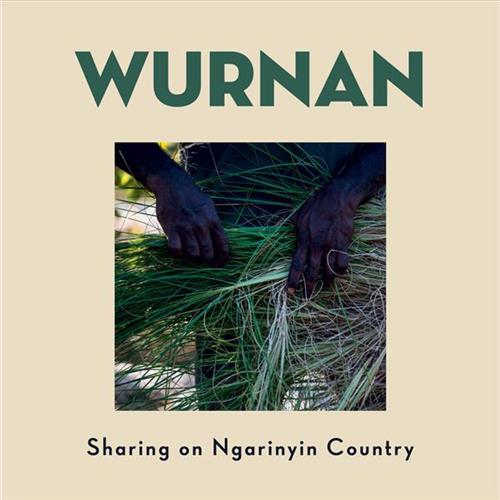
Wurnan – Sharing on Ngarinyn Country

Central to safeguarding the Wilinggin culture, land and language is the practice of ‘Wurnan’, the traditional philosophy of sharing and sustainability that underpins their custodianship.

This book takes you around the campfire where stories are shared and knowledge is passed on. Where memories bubble up about the old days when single-use rafts were hastily constructed using dry pandanus wood and sheets of paperbark to cross a swollen river during the wet season; when a messenger carried news of an upcoming ceremony on a carved wooden stick for hundreds of kilometres across the countryside; when the crack of clap sticks awoke the earth, bringing on the rains and keeping the Country fresh.

Wilinggin Country is an area as vast and varied as Tasmania. The landscape offers distinctive materials that inform the traditional crafts that are made, such as string from the bark of a boab tree, or spindles made from the cypress pine. Understanding this emporium of materials available, and the stories embedded within, brings the Country to life. Combining evocative photography with first-hand quotes and stories from Wilinggin people, this book takes the reader to this far-flung corner of Australia and immerses them within longstanding cultural traditions that are being given a new life in a modern context, providing an ancient perspective on contemporary sustainable design.

22024001521


Status: Stock


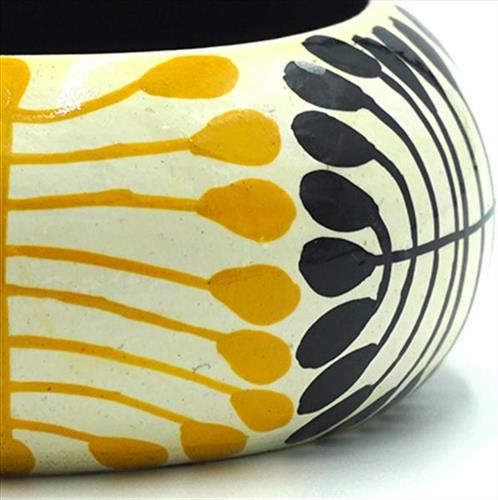
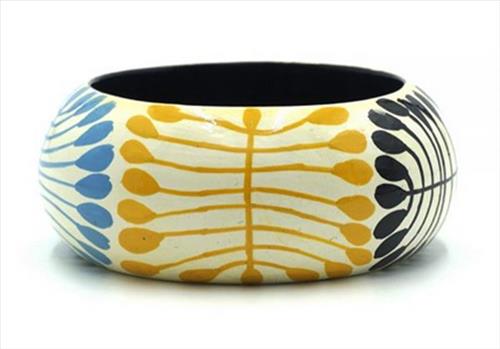
Watiya Tjuta Bangle

This beautiful bangle features Mitjili Napurrula’s artwork, ‘Watiya Tjuta’, and has been made by our ethical partners, Better World Arts.

Lacquerware :

Handmade using recycled paper, traditional Kashmiri handicrafts are united with Aboriginal designers

Artwork Story:

‘Watiya Tjuta’

Napurrula’s father, Tupa Tjakamarra gave her the right to paint works related to Ilyingaungau in the Gibson Desert. This site, south of Walungurru (Kintore), some 520 kilometres west of Mparntwe (Alice Springs), is where the artist’s Mutikatjirri ancestors assembled their kulata (spears) for a conflict with the Tjukula men. Allusive works that refer to the straightening of kulata by Tjupurrula are among the landmark paintings of the Ikuntji Artists movement’s 30-year history.

The paintings of Napurrula and her husband, Long Tom Tjapanangka, have come to be understood as archetypical of Ikuntji art since they began to work with the arts centre in 1993. Napurrula remembers, ‘ … After I got married, my mother taught me my father’s Tjukurrpa in the sand, that’s what I’m painting on the canvas’. The white pigment eddies around abstract forms that refer to the spearwood trees. The tightly structured patterning of the key motifs and bold use of colour demonstrates the artist’s confidence in her individual artistic vision within a family of superlative artists – and the cultural heritage that continues to inform the myriad expressions of Western Desert artists.

Better World Arts 

Has been operating for over two decades.

They work with traditional artisans from remote regions in Kashmir, Peru, West Bengal, Uttar Pradesh and Nepal (Tibetan refugees). They work with Australian Aboriginal artists from remote communities across Australia, from Arnhem Land to Central and the Western Desert regions, from rural locations and from cities.

Better World Arts are endorsed members of the Fair Traders Association of Australia and New Zealand.

22023974287


Status: Stock


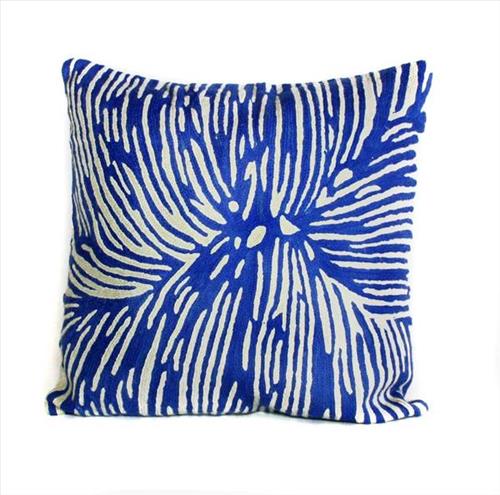
Waterhole Cushion Cover (Filled) – Medium (40cm x 40cm)

The artwork by Alice Nampitjinpa featured on the cushion is about a rockhole at Taalalpi West of Kintore, the artist’s country.


22023974286


Status: Stock


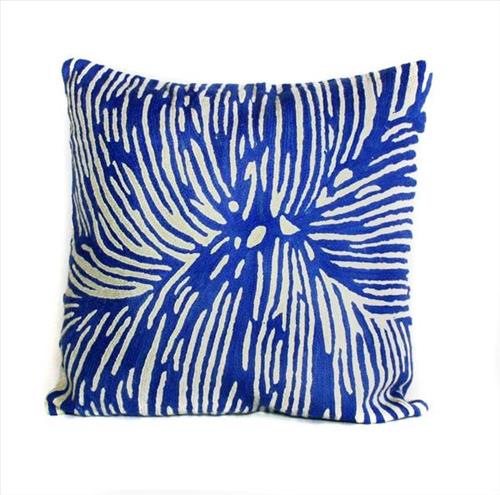
Waterhole Cushion Cover (Filled) – Small (30cm x 30cm)

The artwork by Alice Nampitjinpa featured on the cushion is about a rockhole at Taalalpi West of Kintore, the artist’s country.