111582427900


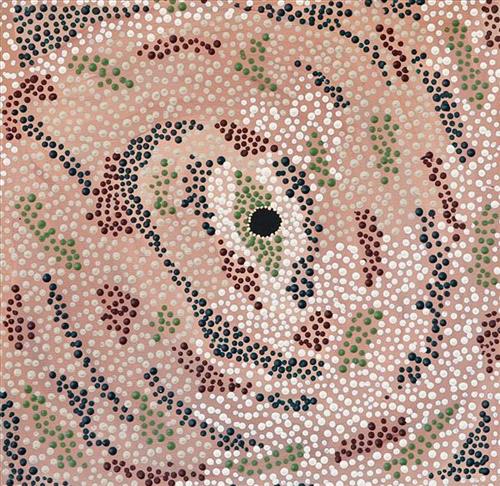
Wanti Yuu (Women, Yeah!)

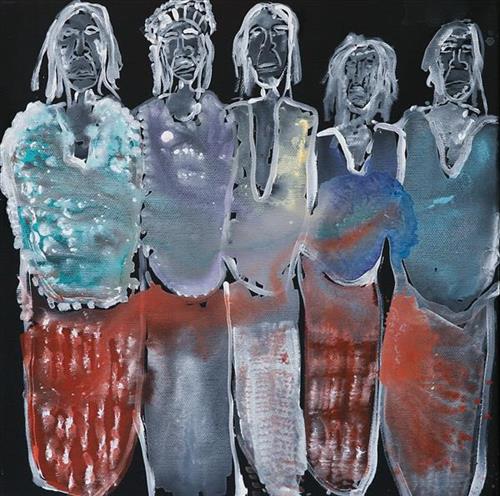
“Wanti Yuu (Woman Yeah!) is a story of resilience and of women coming together. It is about the strength of the women in our community who put themselves last and take on a lot. She [Wanti Yuu] is someone who looks after her family, putting the grand kids and everyone around her first. The word Matriarch comes to mind. They are the matriarch of the family. The Boss Lady. Always helping everyone else out and leaving herself to the end. She paints, she teaches us her knowledge, like basket weaving and honey ant collecting. She is the top lore woman and her story of Pujiman (traditional, desert dwelling) is so important. She is a leader of the Martu women and a senior artist. That’s all I can say about these women. These women; you give her the bread if you know what I mean. It’s a true story. Anything in my pockets. Because when you look at her, her stance, her energy and her vibe, you can feel it. You don’t muck around with Wanti Yuu.”

-Silvia Wilson

Wanti Yuu celebrates women’s resilience, matriarchal relationships, and Sylvia’s place in this story.

As Sylvia explains, the work is both a depiction of, and attribute to, the women in her life. “I follow my great grandmother’s guidance and direction in life. These women in my life carry so much on their shoulders, as well as the responsibility and future of our culture.”
 

111582427898


Punmu

“Punmu, I went there when I was a young girl, a teenager with my mother and father before my mother passed. Big mob of people was there. No building, just little cubby houses [bough shelters]. Long time I been there. 

These here are the waterholes around Punmu; Rawa spring- Rawa means ‘long time’, Tuu-tuu, Jila-jila, Wirlarra and Yilyara. That is my ngurra (home Country, camp). We grew up in Punmu around all these water holes. I still live here with my grandkids, [we share the] same stories for all these places.” 

 – Marianne Burton


Punmu refers to a region and an Aboriginal community within its vicinity, located 670km North-East of Newman. Created during the return to Country movement of the 1980s, with the recognition of Martu land rights and native title, the community was named after a nearby Jukurrpa (Dreaming) story. As described by Marianne, Punmu is her ngurra; she grew up in this region with her parents. 

Punmu community sits on the edge of a large salt lake known as Nyayartakujarra, or Lake Dora. The lake runs south into Karlamilyi River (Rudall River). Surrounding Punmu are numerous fresh water soaks and the red tali (sandhills) typical of the area. The most frequently visited yinta (permanent springs) around Punmu include Wirlarra, Rawa, Yilyara, Jila-jila and Tuu-tuu.

The Country around Punmu features in several Jukurrpa stories. Of particular importance is the story of the Jila Kujarra (Two Snakes), one of the key Jukurrpa narratives for the Martu. Though the story belongs to Warnman people, it is shared across the Western Desert with several other language groups. The narrative centres on the travels of two snakes as they are pursued by the Niminjarra, spiritual ancestors of the Warnman people. 

Before transforming themselves into snakes, the Jila Kujarra were young brothers. As snakes, they began travelling home to their mother, but were intercepted by the Niminjarra, who tracked the Jila Kujarra to Paji, east of Nyayartakujarra (Lake Dora). Though the Jila Kujarra eluded their pursuers here by escaping under the lake at Paji, they were soon after speared and injured by two Pukurti (initiates with bundled hair) at Nyayartakujarra, who returned with the Niminjarra to cook the snakes at the site of Kumpupirntily (Kumpupintily, Lake Disappointment). As the Niminjarra cut down the length of the Jila Kujarra, the snake’s bladders were pierced, causing an explosion of scalding hot urine in which the Niminjarra all perished and became black rocks at the site. The spirits of the Jila Kujarra returned to their mother at Nyayartakujarra, where the mother and her sons entered the ground below Nyayartakujarra and remain to this day.

22024001287


Status: Stock


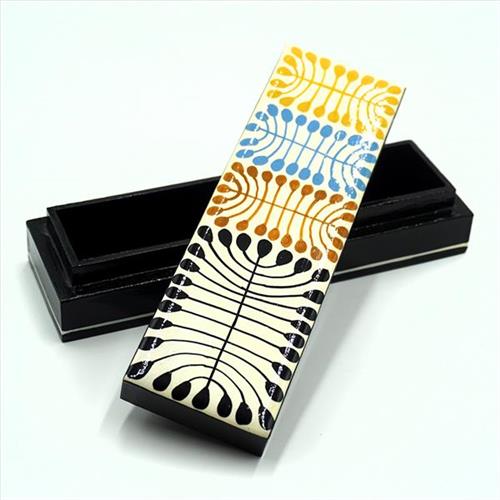
Watiya Tjuta Pencil Box

This beautiful pencil box features Mitjili Napurrula’s artwork, ‘Watiya Tjuta’, and has been made by our ethical partners, Better World Arts.

Lacquerware :

Handmade using recycled paper, traditional Kashmiri handicrafts are united with Aboriginal designers

Artwork Story:

‘Watiya Tjuta’

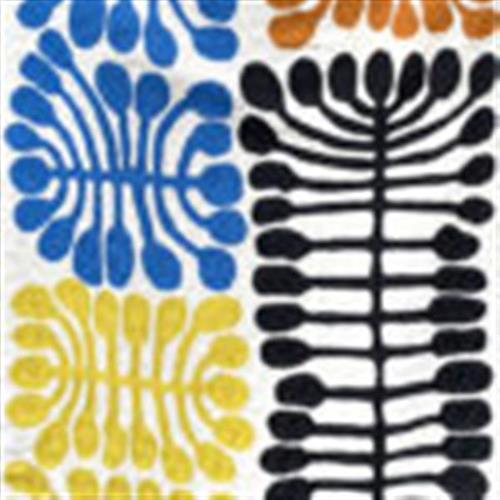
Napurrula’s father, Tupa Tjakamarra gave her the right to paint works related to Ilyingaungau in the Gibson Desert. This site, south of Walungurru (Kintore), some 520 kilometres west of Mparntwe (Alice Springs), is where the artist’s Mutikatjirri ancestors assembled their kulata (spears) for a conflict with the Tjukula men. Allusive works that refer to the straightening of kulata by Tjupurrula are among the landmark paintings of the Ikuntji Artists movement’s 30-year history.

The paintings of Napurrula and her husband, Long Tom Tjapanangka, have come to be understood as archetypical of Ikuntji art since they began to work with the arts centre in 1993. Napurrula remembers, ‘ … After I got married, my mother taught me my father’s Tjukurrpa in the sand, that’s what I’m painting on the canvas’. The white pigment eddies around abstract forms that refer to the spearwood trees. The tightly structured patterning of the key motifs and bold use of colour demonstrates the artist’s confidence in her individual artistic vision within a family of superlative artists – and the cultural heritage that continues to inform the myriad expressions of Western Desert artists.

22024001188


Status: Stock


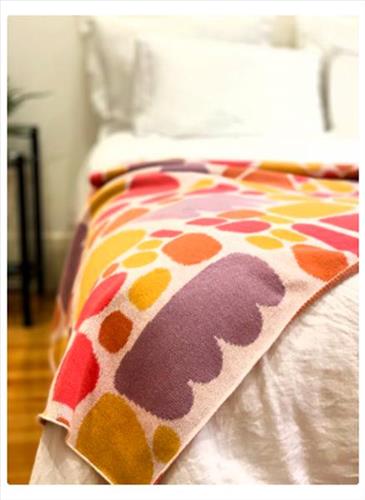
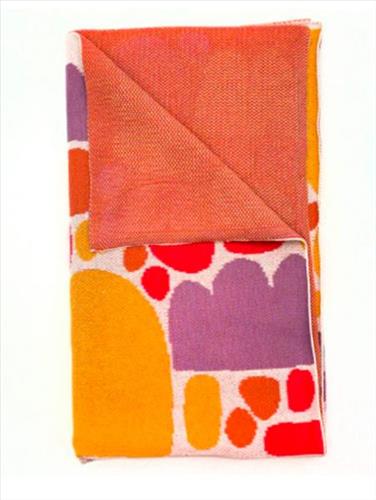
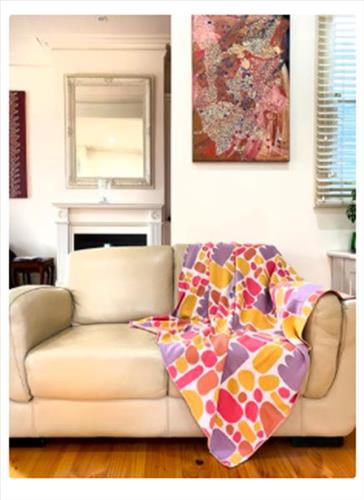
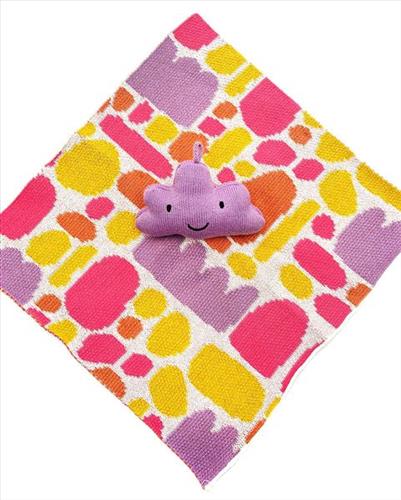
Puli Puli Baby Blanket (Purple and Pink)

This beautiful baby blanket features Keturah Zimarn’s artwork, ‘Puli Puli Rocks’, and has been made by our ethical partners, Better World Arts.

The ancient Australian landscape with it’s eroded forms and organic shapes provides motivation for Keturah’s art. In this work Keturah depicts the natural rock formations (puli) found in and around Haasts Bluff.

22024001186


Status: Stock


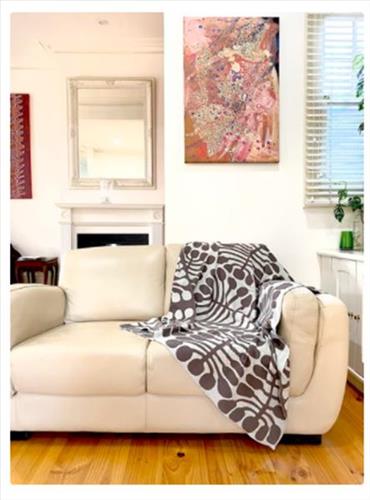
Watiya Tjuta Knitted Cotton Throw (Black and White)

This beautiful knitted throw features Mitjili Napurrula’s artwork, ‘Watiya Tjuta’, and has been made by our ethical partners, Better World Arts.

The ancient Australian landscape with it’s eroded forms and organic shapes provides motivation for Keturah’s art.

In this work Keturah depicts the natural rock formations (puli) found in and around Haasts Bluff.

Throw 100% Cotton

Size 125 x 150 cm

22024001185


Status: Stock


Puli Puli Knitted Cotton Throw (Purple and Yellow)

This beautiful knitted throw features Keturah Zimarn’s artwork, ‘Puli Puli Rocks’, and has been made by our ethical partners, Better World Arts.

The ancient Australian landscape with it’s eroded forms and organic shapes provides motivation for Keturah’s art.

In this work Keturah depicts the natural rock formations (puli) found in and around Haasts Bluff.

Throw 100% Cotton

Size 125 x 150 cm

22024001184


Status: Stock


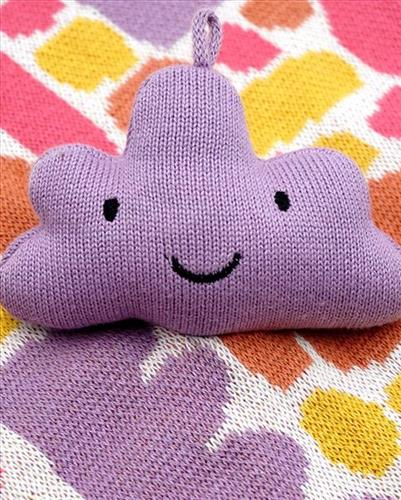
Puli Puli Snuggle Toy (Purple)

This beautiful snuggle toy features Keturah Zimarn’s artwork, ‘Puli Puli Rocks’, and has been made by our ethical partners, Better World Arts.

The ancient Australian landscape with it’s eroded forms and organic shapes provides motivation for Keturah’s art. In this work Keturah depicts the natural rock formations (puli) found in and around Haasts Bluff.

22024001183


Status: Stock


Puli Puli Snuggle Toy (Blue)

This beautiful snuggle toy features Keturah Zimarn’s artwork, ‘Puli Puli Rocks’, and has been made by our ethical partners, Better World Arts.

The ancient Australian landscape with it’s eroded forms and organic shapes provides motivation for Keturah’s art. In this work Keturah depicts the natural rock formations (puli) found in and around Haasts Bluff.

22023974586


Status: Stock


Watiya Tjuta Large Wool Rug (122x183cm) – Multicolour

Watiya (tree) Tjuta (many) is the artist’s iconic rendering of her late father’s Tjukurrpa (Dreaming). In this design, the artist depicts the ceremonial spear straightening in Uwalkari country (Gibson desert region). The spear straightening is part of restricted men’s business. Mitjilli was given the right to depict the source of the spears by her father, however, the ceremony cannot be revealed in her works. Uwalkari is abundant with Watiya Tjuta and other plants that grow in a landscape dominated by sandhills. Mitjilli came from an acclaimed family of artists and the imagery of Watiya Tjuta is a recurring motif in her artwork.