22514008344


Status: Stock


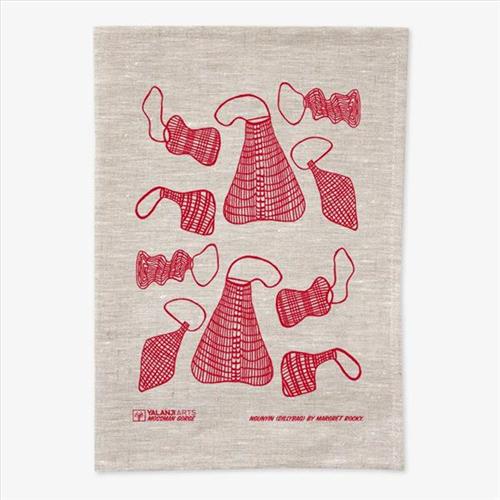
Tea Towel ‘Ngunyin (Dilly Bag)’ by Margaret Rocky – TTMR04

Dillybags played a vital part in Kuku Yalanji culture. Women used them to carry food when out hunting and gathering or soak bitter yams in creeks before cooking them. Dillybags were also used to hold personal and sacred items.

22544008338


Status: Stock


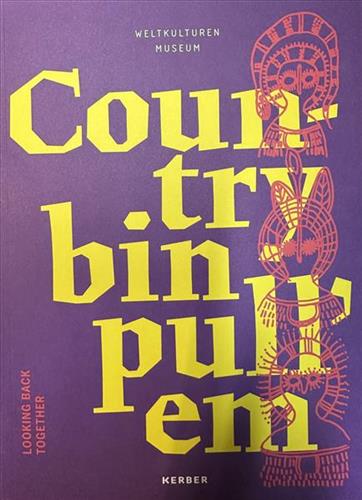
Country Bin Pull’em

This is the catalogue to the 2024/25 Mowanjum exhibition in Frankfurt/Main in Germany. The exhibition was co-curated by Rona Charles and Leah Umbagai. It takes a look back at the Froebenius Exhibition to the Kimberley region of Northwest Australia in 1938-39. 

11154008317


Status: Stock


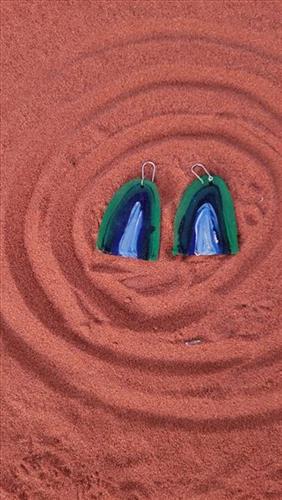
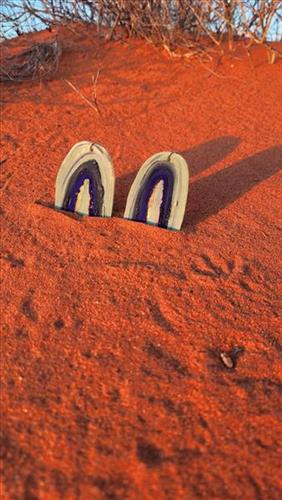
Hand painted polymer earrings

Hand painted earrings made with oven set polymer and acrylic paint. Note that earrings will vary in colour and design as this item is individually handmade.

“Emu go to the springs to have a drink of water and then move on to the next one.”

– Judith Anya Samson

Puntawarri is an important cultural area, as well as the site of a now abandoned community, a waterhole, creek and lake. Puntawarri is located on the middle stretches of the Canning Stock Route and east of the Jigalong Aboriginal Community, where Judith grew up with her grandmother and senior Martumili Artist Dadda Samson. Both artists continue to live there today.

Puntawarri lies within Judith’s ngurra (home Country, camp) through her mother’s family, and as a young girl she frequently travelled and hunted with her family in this area, learning the stories for this Country. Depicted in this work are the tracks of a group of emus on their way to Puntawarri waterhole, searching for kapi (water). 

Karlaya (emu) were traditionally hunted during the pujiman (traditional, desert dwelling) era, and they continue to be a favoured bush tucker for Martu today. During the pujiman (traditional, desert dwelling) period, Martu would traverse very large distances annually in small family groups, moving seasonally from water source to water source, and hunting and gathering bush tucker as they went. Jina (tracks, footprints) are used by Martu people when tracking bush tucker. In the absence of an actual animal sighting, tracks act as an identifier that an animal was present, which can then be followed to the animal’s present location. Besides providing information on location, Martu are able to interpret from tracks the passage of time since the tracks were imprinted, as well as the corresponding animal species and its size.

The softer and more extensive the ground surface, the easier it is to locate and follow tracks, thus certain conditions are favoured for tracking. Tuulparra (spring) and yalijarra (hot time) are preferred over wantajarra (winter), when south easterly tradewinds blow strongly to obscure tracks. Tracks and burrows are also more readily visible in early growth lands, such as nyurnma (freshly burnt Country) and waru-waru (growth of new shoots and young plants). For this reason, fire burning is an important tool in animal tracking. Small burns are lit to clear vegetation, expose burrows, and to allow for access to walk and track readily in exposed sands, while simultaneously providing diverse regenerating habitats.

114182348672


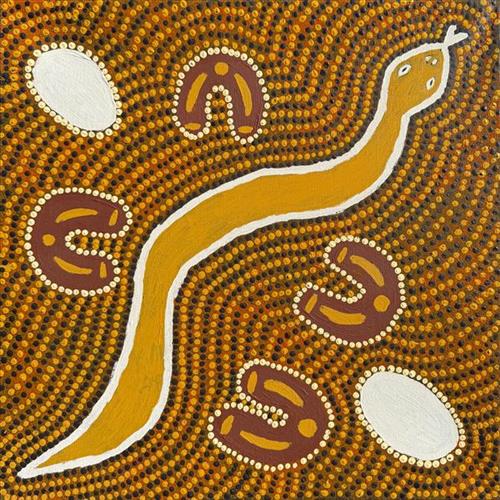
Wanampi Piuyl Well (Snake Well)

The Snake Well is in the Piuyl Mountains, near Warburton. It is where four Water snake people emerged from a hole in the ground and headed out in four different directions. This story is linked to the tales of the famous water snake woman, Kuniya, who ends up at Uluru.

114182352708


Kungkarrangkalpa (Seven Sisters)

‘Kungkarrangkalpa’ (The Seven Sisters or Pleaides) is significant Tjukurrpa (dreamtime). Its origins you may be familiar with in astronomy and its connection to ‘Wati Nyiru’ (Magic Man or Orion).  The roots of this dreaming stems across indigenous groups around the world. The Australian Aboriginal songline is one part to the whole dreaming which can be traced all around the world. The ladies of the Ngaanyatjarra Lands depict their significant chapter and understanding of the journey of the sisters. The different versions of this story depend on where you live and the significance’s of local Tjukurrpa places.

Nyiru fell in love with the sisters but he was of the wrong skin group to marry, but he still pursued them on their journey. The sisters travel across the land to escape Nyiru’s unwanted attentions, but he is persistent and always finds them. There are significant land forms which can be sited today that evidence this dreaming. As Nyiru is chasing the sisters he tries to catch them by using magic to turn into the most tempting kampurarrpa (bush tomato) and the most beautiful Yirli (wild fig tree), for them to eat and camp under. However, the sisters are knowledgeable of his magic and too clever for Nyiru who they outwit again and again. They go hungry and run through the night rather than be caught by him. As the journey continues, Nyiru gets so frustrated at the wit of the sisters that he uses his magic to make the oldest sister sick to try and get closer to her. The other sisters rescue the big sister and nurse her back to health. It is said he also captures the youngest sister, but with the help of the oldest sister, she escapes back to her sisters who are waiting for her. Eventually, the sisters fly into the sky to escape Nyiru, forming the constellation. Nyiru felt lonely, longing for the sisters who were so far away. Nyiru used his magic to go to the sky, forever in pursuit.

220982356932


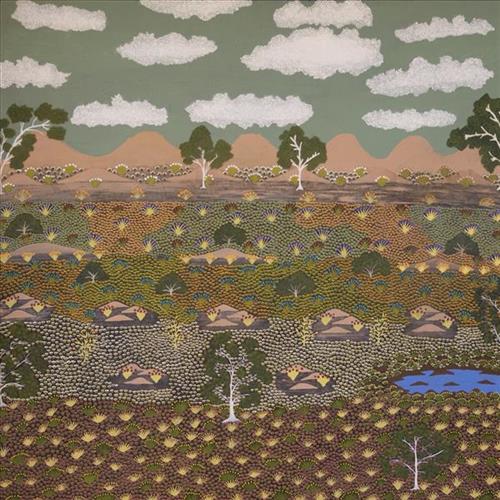
Denise Ngwarraye Bonney – Tijamburra, My Grandmothers Country

This is my Mothers Mothers country, out near Canteen Creek, we go hunting for wild onions, goannas, echidnas and sugar bag honey in the trees. I like to hunt in my country, there is water all year round even if it looks dry, we follow the bird tracks to know where to dig and then we find water.


This painting is after rain, many grasses are out, but the riverbed is still sandy.


220982362720


Colleen Ngwarraye Morton – Hunting

Colleen is one of the original artists in the Utopian batik movement in the 1980’s and has been successfully painting ever since.

Colleen’s paintings often depict her Grandfather’s country where her family have hunted for many years. As a child she was taught about the seasonal bush medicines and plants that grew there and how to gather them. “When I was a little girl I would go and collect the seed from the altywart grass with my grandmothers. They would teach us how to hang on to the tree and grind the seeds with our feet. We would carry the seed in our coolamon back to the camp, then make damper, cook it on the fire and eat with our families”.

The elders would teach the importance of looking after country and that the sacred ancestral spirits watch over and protect the animals and plants. Her Mother and Grandmother taught her about bush medicine, a topic that is especially important to Colleen and is expressed within her paintings.

The layers of Colleen’s paintings are as detailed and complex as the stories she paints. Her paintings help to keep her culture strong and keep the stories alive to be shared and used to educate current and future generations. 


220982367725


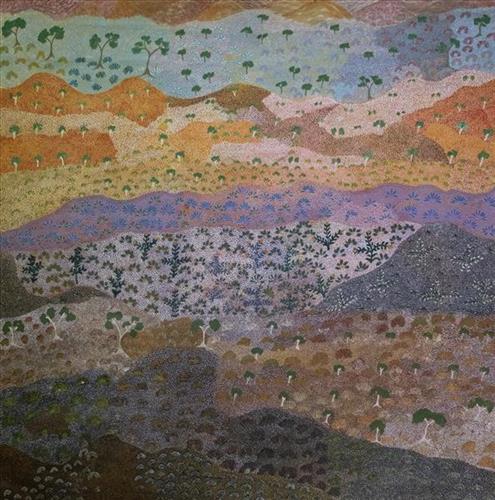
Valerie Kemarre Lewis – My Mothers Country

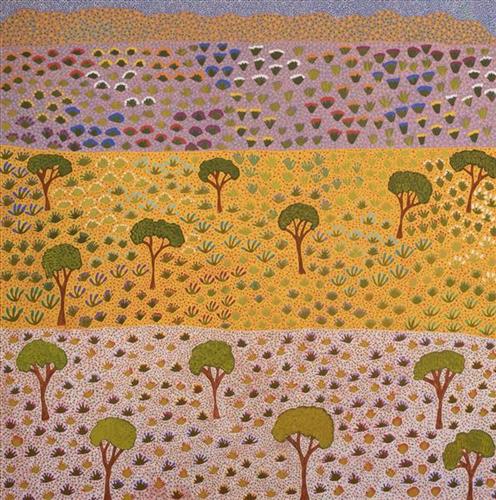
My mothers country is flowers, trees and mountains. I love to paint them. We see springs, the water from the springs is like rainwater, fresh and clean. We hunt goanna and turkeys, we roast them in the fire and the flesh is strong and sweet.

When we hunt we sleep at night next to the fire, the skies are big and the stars are beautiful, it makes me feel good.

220982370271


Diane Kemarre Ross – My Country

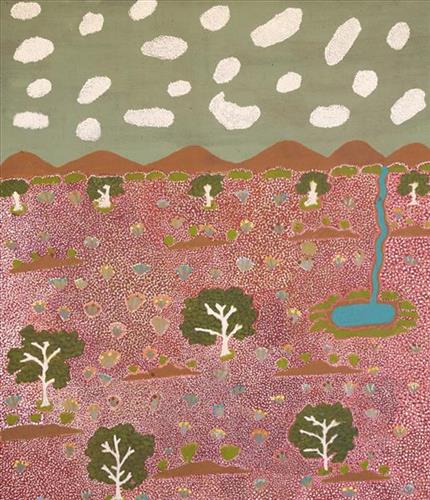
This is my country, it’s the country around Irrultja. This is where we like to go after big rain. After big rain there, we can go swimming. There is always good hunting on my country. It is good for me to paint my country and it makes me feel good.

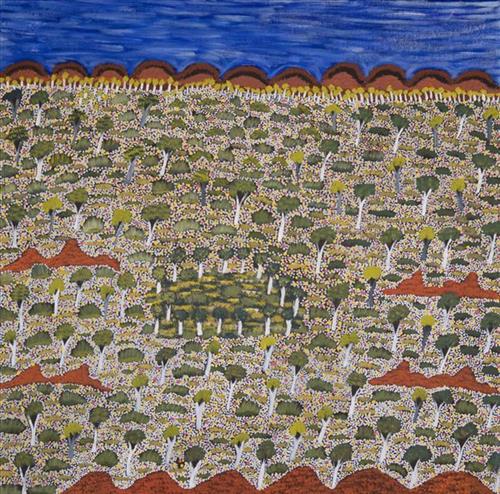
The artists of Ampilatwatja made a conscious decision not to paint altyerr (dreaming stories). The artists paint their country where those stories sit.

220982370268


Susan Ngwarraye Philomac – Spring Creek

Kwetyaylp (donkeys) and nantew (horses) would come and drink from the water at Spring Creek on my father’s country.  We would put a bucket in the sand we would filter the water so we could drink it. 

When I was young girl we would go to Canteen Creek following the track along the hills, we would hunt turkey, emus and kangaroo and we would cut the bark and collect the sap from the sugar bag trees. `