
225182389022
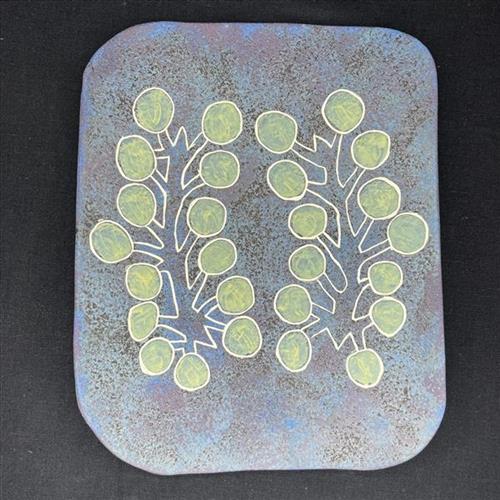
Janbal (Quandong)
Janbal (Quandong) is good bush tucker. We gather the fruit from August to January when they are sweet and soft. The kernel of the fruit is very pretty and we often use it to make body adornments such as necklaces and earrings.
225182389020
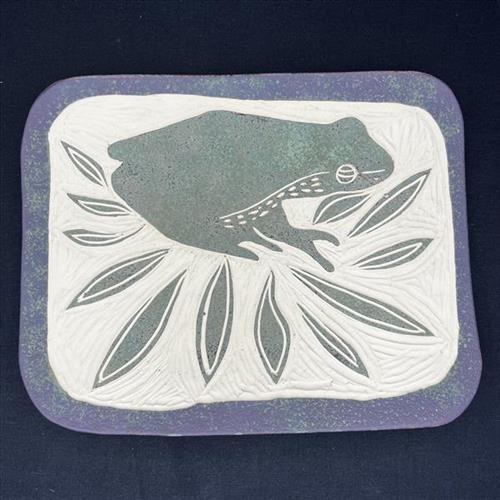
Karrkurr (Green Tree Frog)
Green tree frog hiding among the waterlilies.
225182389019
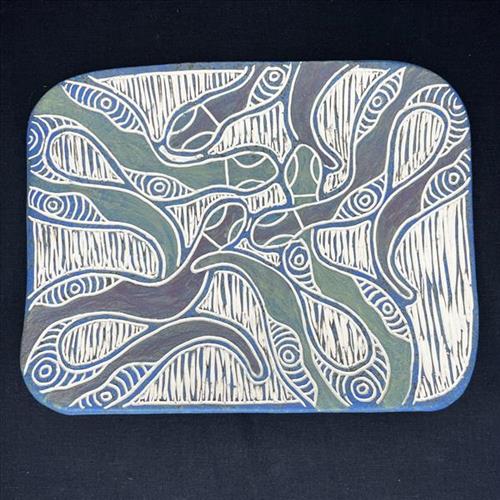
Kurriyala (Carpet Snake)
220182389018
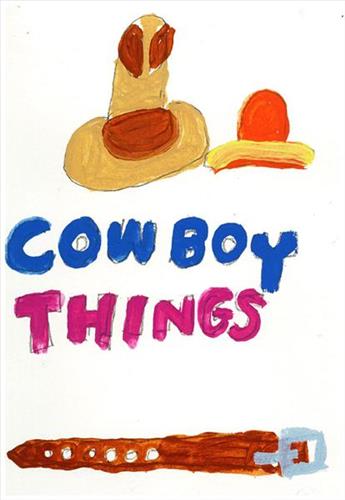
Cowboy Things

377816082389017
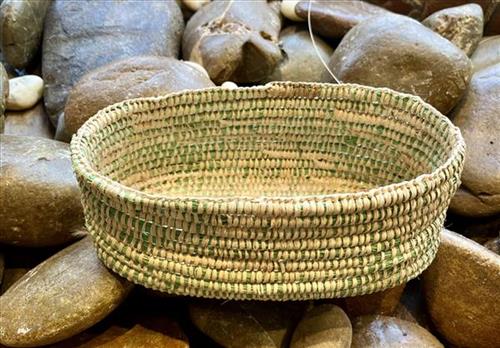
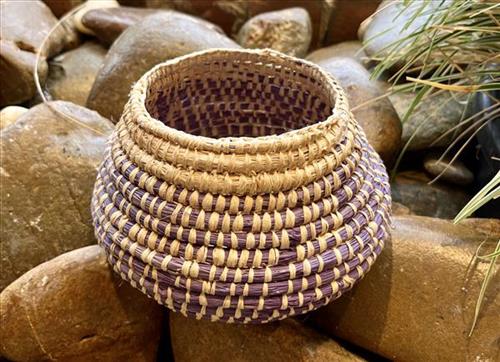
Green Woven Basket
225182389015
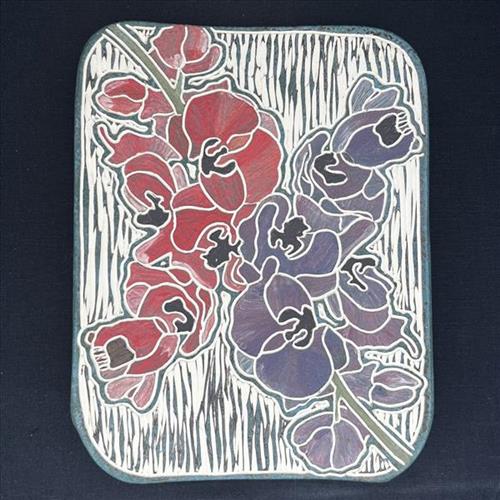
Orchid
111582389004
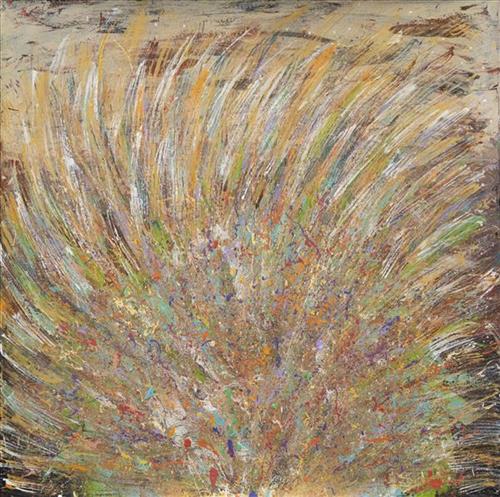
Spinifex
“When I went back to County, I thought how beautiful the spinifex was. How the sun glazed against the spinifex. The County that I speak of is Jilukurru, my grandfather’s country.”
– Kathleen Maree Sorenson
Martu Country is dominated by striking permanent tali (sandhills) covered with spinifex, gums, and other trees and shrubs. Spinifex is a pale green, spiky grass that grows in clumps throughout the Central and Western Deserts of Australia. Some varieties yield edible seeds and another contains a resin.
111582389002
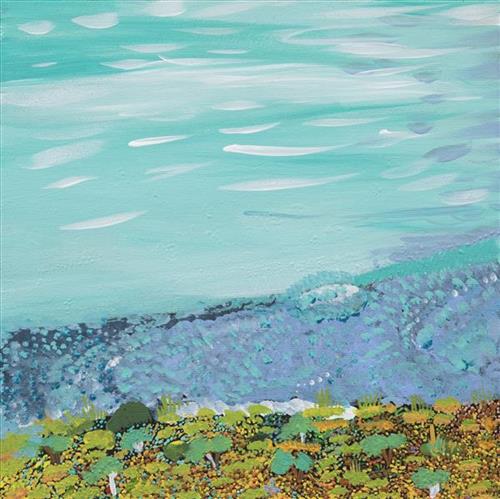
Untitled
This work portrays an area known to the artist, painted here from memory. During the pujiman (traditional, desert dwelling) era one’s survival depended on their intimate knowledge of the location of resources; thus physical elements of Country, such as sources of kapi (water), tali (sandhills), and different varieties of warta (trees, vegetation) were carefully observed and remembered. Today, this relationship with Country remains equally strong, despite the movement of Martu out of the desert and into remote Aboriginal communities, towns and cities.
Also visible may be traces of life cycles based around kalyu (rain, water) and waru (fire). A thousands of year old practice, fire burning continues to be carried out as both an aid for hunting and a means of land management today. As the Martu travelled and hunted they would burn tracts of land, ensuring plant and animal biodiversity and reducing the risk of unmanageable, spontaneous bush fires. The patchwork nature of regrowth is visible in many landscape works, with each of the five distinctive phases of fire burning visually described with respect to the cycle of burning and regrowth.
Finally, metaphysical information relating to a location may also be recorded; Jukurrpa (Dreaming) narratives chronicle the creation of physical landmarks, and can be referenced through depictions of ceremonial sites, songlines, and markers left in the land.
111582389001
Untitled
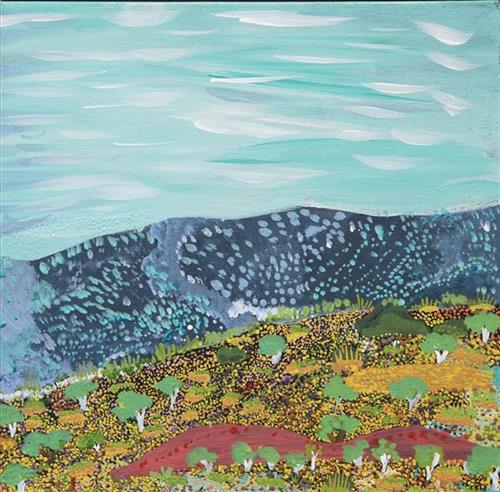
This work portrays an area known to the artist, painted here from memory. During the pujiman (traditional, desert dwelling) era one’s survival depended on their intimate knowledge of the location of resources; thus physical elements of Country, such as sources of kapi (water), tali (sandhills), and different varieties of warta (trees, vegetation) were carefully observed and remembered. Today, this relationship with Country remains equally strong, despite the movement of Martu out of the desert and into remote Aboriginal communities, towns and cities.
Also visible may be traces of life cycles based around kalyu (rain, water) and waru (fire). A thousands of year old practice, fire burning continues to be carried out as both an aid for hunting and a means of land management today. As the Martu travelled and hunted they would burn tracts of land, ensuring plant and animal biodiversity and reducing the risk of unmanageable, spontaneous bush fires. The patchwork nature of regrowth is visible in many landscape works, with each of the five distinctive phases of fire burning visually described with respect to the cycle of burning and regrowth.
Finally, metaphysical information relating to a location may also be recorded; Jukurrpa (Dreaming) narratives chronicle the creation of physical landmarks, and can be referenced through depictions of ceremonial sites, songlines, and markers left in the land.