

377810582276083
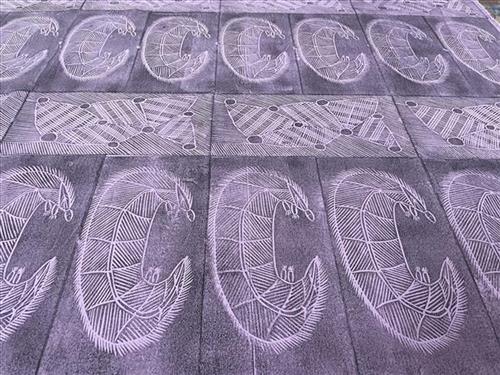
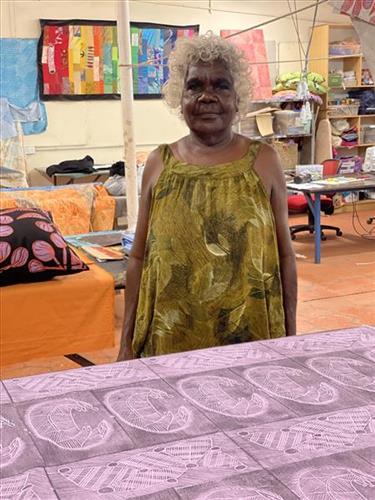
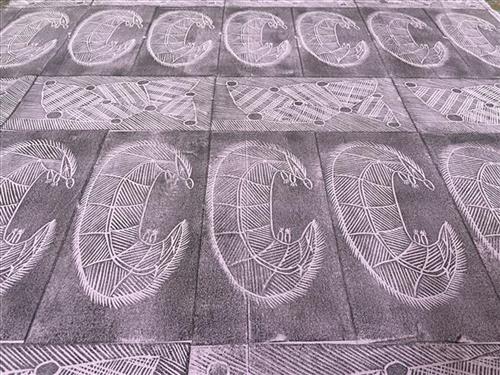
Ngarrbek (Echidna) and Kunred
SCIENTIFIC NAME :Tachyglossus aculeatus
A duwa moiety mammal residing in underground burrows in the rocky country of the Kuninjku lands of Arnhem Land.
This is a one colour print on a lavender cotton.

377810582276074
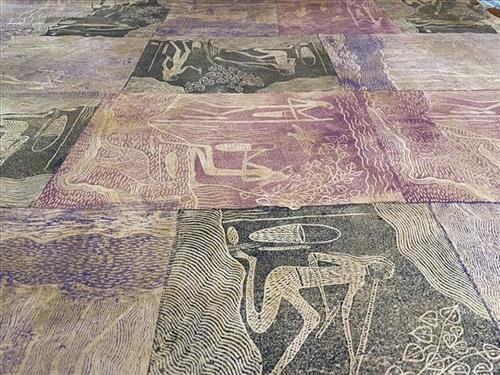
Mimih Dancing and Namurre Boko
‘This is an artwork about two dancing Mimihs. It’s based on a songline from Korlobidahdah. My fathers eldest brother used to sing this song line and Unkle D, he was a dancer. My real father, Jacky was a dancer as well and he was from Korlobidahdah. This is a really happy musical story to celebrate culture and family.’ Jay Jurrupula Rostron
The striking yellow – gold hue comes from the root of the man-kurdudjumuk plant (coelospermum reticulatum) which has been harvested from the sandy country near the flood plains. This laborious and tiring process requires digging up the entire shrub. The root is shaven into a pot of water and the colour is released into water through the boiling process. This silk fabric was dyed by Deborah Wurrkidj and boiled for hours. It has a slight rough, hard wearing texture.

377810582276072
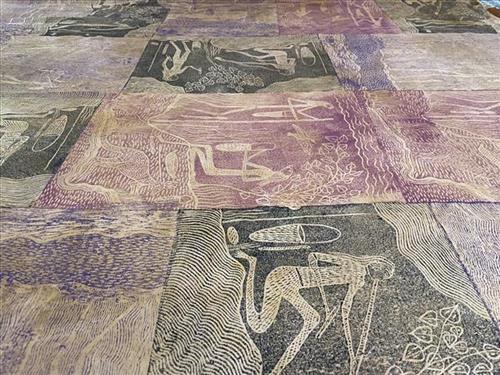
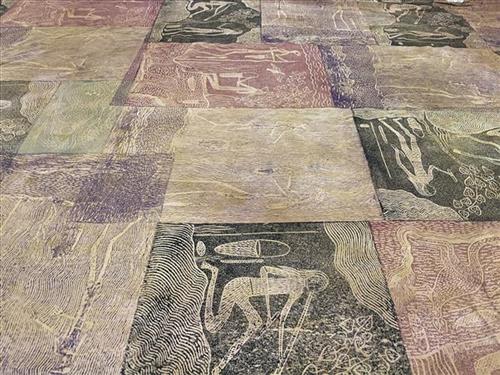
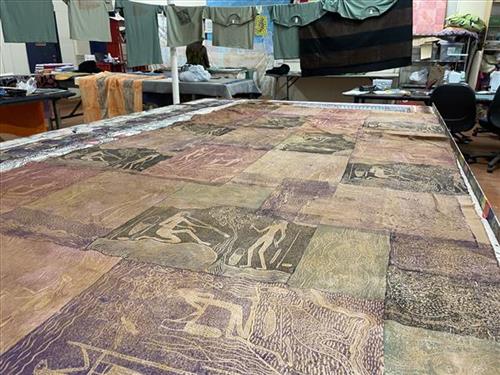
Mimih Dancing and Namurre Boko
‘This is an artwork about two dancing Mimihs. It’s based on a songline from Korlobidahdah. My fathers eldest brother used to sing this song line and Unkle D, he was a dancer. My real father, Jacky was a dancer as well and he was from Korlobidahdah. This is a really happy musical story to celebrate culture and family.’ Jay Jurrupula Rostron
The striking yellow – gold hue comes from the root of the man-kurdudjumuk plant (coelospermum reticulatum) which has been harvested from the sandy country near the flood plains. This laborious and tiring process requires digging up the entire shrub. The root is shaven into a pot of water and the colour is released into water through the boiling process. This silk fabric was dyed by Deborah Wurrkidj and boiled for hours. It has a slight rough, hard wearing texture.

377810582276065
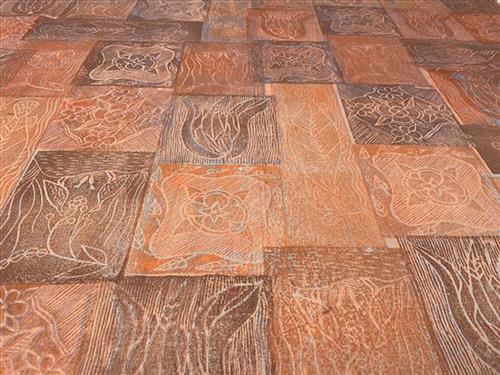
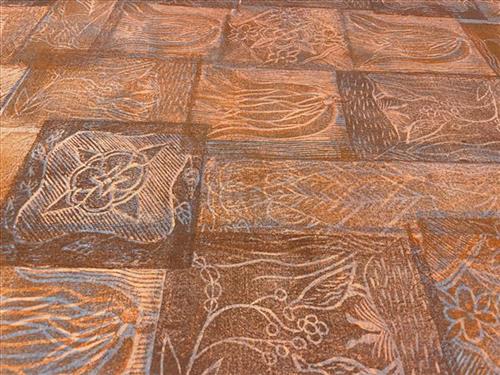
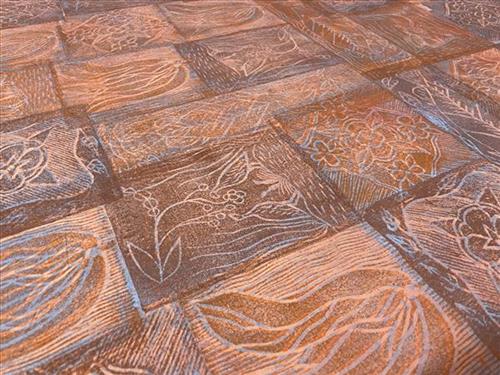
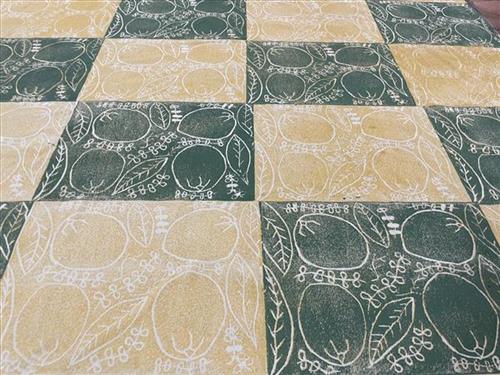
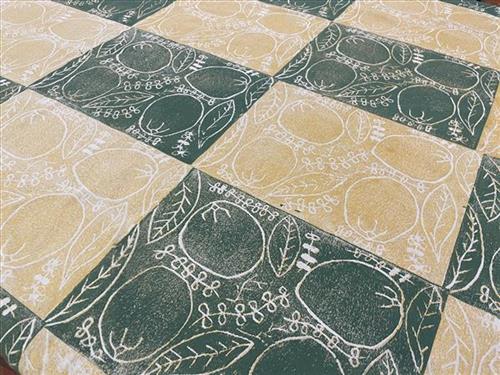
Manbirrbbirr (small bush flowers)
In Kuninjku the name manbirrbbirr is used for a number of densely flowering shrubs and small trees including Verticordia cunninghamii, yellow flowering Austromyrtus species and also Acacia platycarpa which also has dense white.
This design is a patchwork of small Lino tiles representing various flowers in Arnhem Land. Abigail has incorporated the designs of her late mother. The cloth was hand dyed by Abigail’s aunt Deborah Wurrkidj.
The striking yellow – orange hue comes from the root of the man-kurdudjumuk plant (coelospermum reticulatum) which has been harvested from the sandy country near the flood plains. This laborious and tiring process requires digging up the entire shrub. The root is shaven into a pot of water and the colour is released into water through the boiling process. Ashes have been added to soften the yellow into more of a peach orange tone.

377810582276062
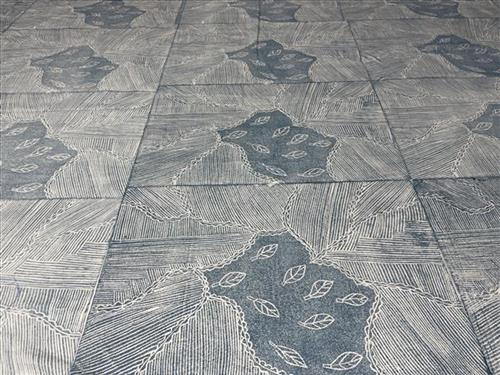
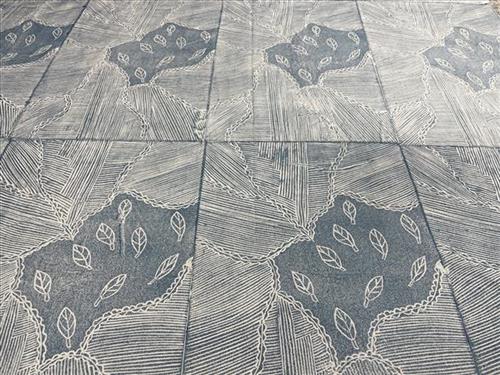
Kunred Kunkurra (Helen Kaminski)
The artist, Janet Marawarr calls this design Kunred Kunkurra in her language, Kuninjku. Kunred means country, kunkurra refers the spiralling wind associated with the mini cyclones that occur around several sites in the Kardbam clan during the build up to the wet season. Marawarr often shares different versions of Kunkurra in her Lino print and Screen Print designs, the story or djang (dreaming) can be heard across the Kardbam clan groups Eastern Kunwinjku and Kuninjku people of the Yirridja moiety. This particular artwork describes the underground lightening that occurs during Kunkurra, in the build up to a storm in Mankorlod, Marawarr’s clan estate in West Arnhem Land.
‘The round shapes in the design mean flashing lightening. The lines beside those shapes are foot tracks, human foot tracks. When the rain falls it makes mud and underground lightening. When the sky is really red and black, we see the build up to a storm and we call that Kakodjngolbalabalahmen. That means that the clouds are forming. So that’s the one you see in this artwork. You can also see the leaves on top of the mud when the rain stops.’ Janet Marawarr 2023

377810582276107
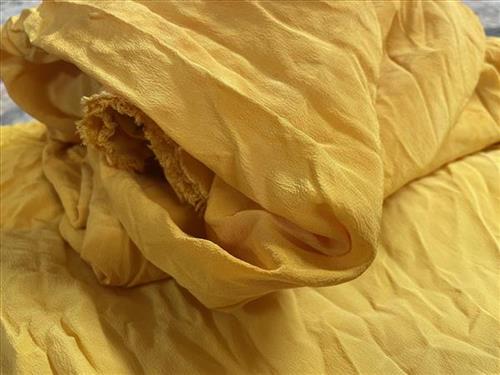
man-kurdudjumuk – yellow colour
The striking yellow – gold hue comes from the root of the man-kurdudjumuk plant (coelospermum reticulatum) which has been harvested from the sandy country near the flood plains. This laborious and tiring process requires digging up the entire shrub. The root is shaven into a pot of water and the colour is released into water through the boiling process.

377810582276067
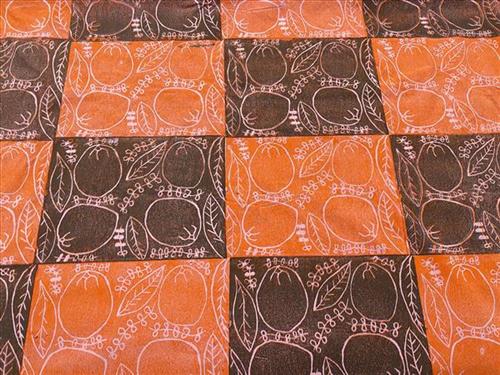
Red Bush Apples

377810582276060
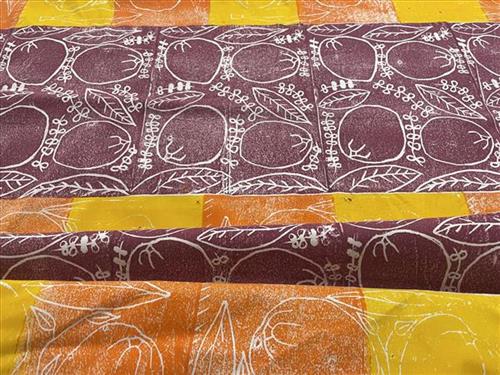
Red Bush Apples

377810582275850
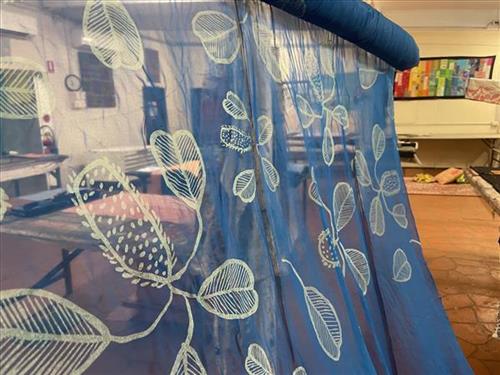
Manyawok (Cheeky Yam)
This design depicts the cheeky yam, which is found on the artist’s country, near the outstation of Mumeka in central Arnhem Land. Yams are an important bush food that are collected during the wet season.
Unlike other yams that can be eaten roasted, the cheeky yam can be poisonous if not properly prepared. The preparation process of the yam traditionally takes two days. Firstly, the yams are dug up with a digging stick and boiled over a fire. They are then peeled and sliced into thin strips, which are placed in a special dillybag woven by women from pandanus leaves. The yam-laden dillybag is then strung from an overhanging branch into a river, so the bag just touches the flowing fresh water. The cheeky yams are left like this overnight to allow the running water to remove the toxins. The next morning, people return and collect the dillybag, and leave the yam pieces in full sunlight to dry out. Finally, when the yam pieces have dried in the sun for a day, they are ready to eat.