225482319662


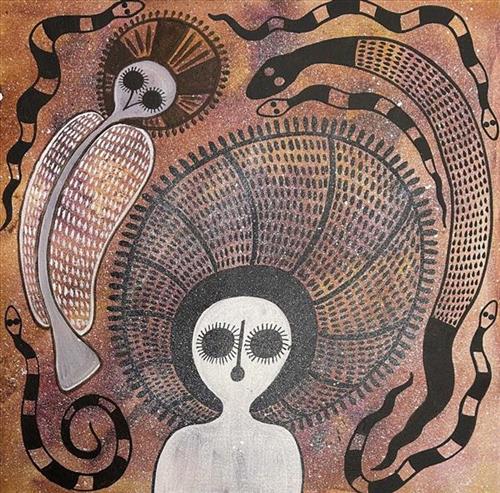
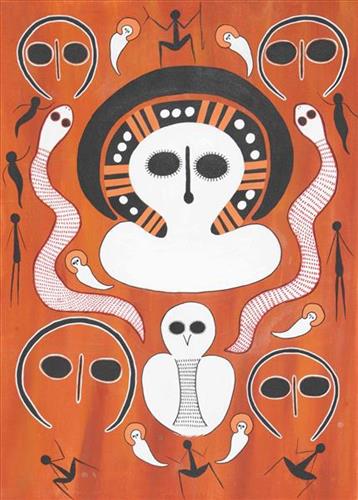
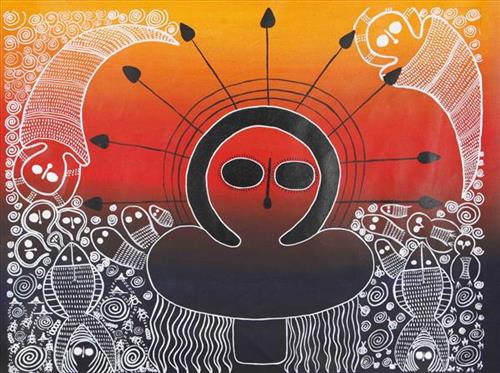
Wandjina, Dumbi & Ungud (cloud and rain spirit, barn owl & totem)

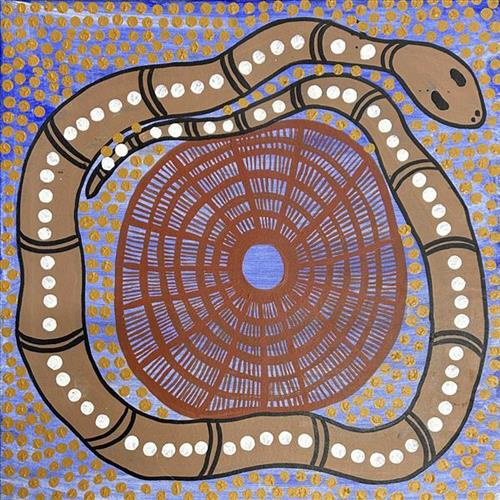
The Wandjina is the creator spirit that belongs to the Wororra, Ngarinyin and Wunumbul people. He is the one who created everything, gave us our culture, law and songs and even the dreaming of each child before they are born. The Dumbis belong to the Wandjina and nobody can make fun or kill them, because the Wandjina will send a big rainstorm just like in the flood story. The Ungud snake is the one that made the rivers and holds water. If they are disturbed then they will kill whoever disturbs them.

225482319896


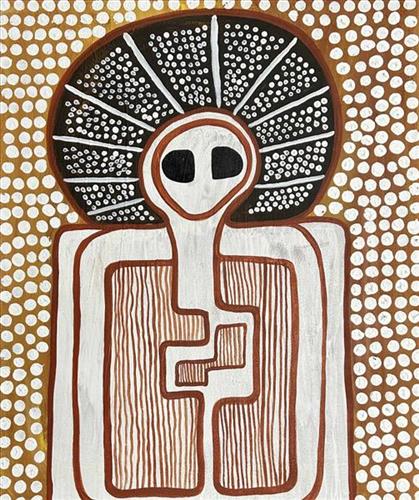
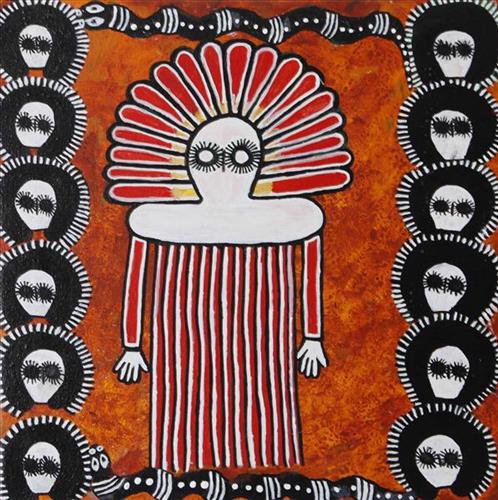
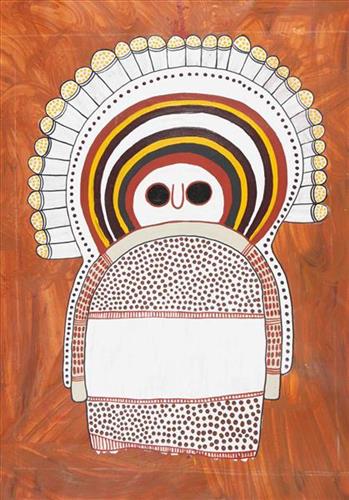
The Wandjina Image

The Wandjina spirits are highly respected by the people of Mowanjum. The Wandjinas brought the law, culture and language. The people of Mowanjum believe that the first –

Wandjina was called Idjair. Idjair lives in the Milky Way and is the father of all Wandjinas. The Wandjina Wallungunder was Idjair’s first son; he created the Earth and all life upon it.

The three Wandjinas which represent the three language groups of Mowanjum are Namarali for the Worora people, Wodjin or Wanalirri for the Ngarinyin people, and Rimijmarra for the Wunambul people. Each family group at Mowanjum has a Wandjina which guides them through their lives. The Wandjinas are most active as cloud spirits during the monsoon period, bringing rain to the entire Kimberley region.

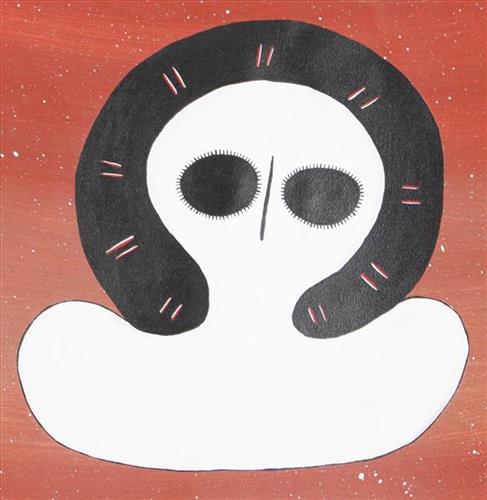
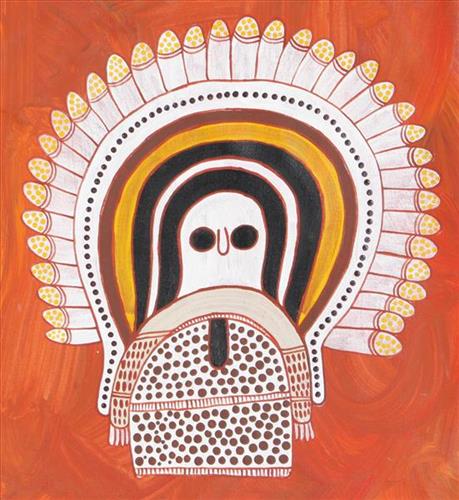
The Wandjina’s facial characteristics can represent many climatic features. The eyes of the Wandjina can represent thunderstorms and even   . The line between the eyes resembles a nose, but it is actually a power line which is used to transfer energy. Small brush marks on the Wandjinas body usually represent rain drops. Wandjinas can be represented with either four or five fingers. When depicted with only head and shoulders the Wandjina is said to be floating in space or in the form of a cloud or storm. A full-bodied Wandjina is said to be walking the Earth. The rounded feature in the upper chest area can represent the heart of the Wandjina or a large pearl shell that was worn by tribal leaders.

225482319895


Julawuna (cyclone)

The julawuna depicted in this painting is inspired by a particular cave painting at Donny Woolagoodja’s traditional homeland, Wiggingarra Butt Butt. Wiggingarra Butt Butt is approximately 300 nautical miles north of Derby and can only be reached by helicopter or boat. Donny remembers growing up at Wiggingarra Butt Butt. In particular he points out the mangrove trees growing on the beach. He reminisces about climbing them as a young fella with his old people sitting close by. The cyclone in Donny’s painting is painted in a similar style to the cyclone found on the roof of the ‘cyclone cave.’ According to Donny the cyclone was painted into the cave to remind people to take shelter in the cave because the cyclone will return.

225482320776


Wandjina, Dumbi & Gyorn Gyorn (cloud and rain spirit, barn owl & Bradshaws)

The Wandjina spirits are highly respected by the Worrora, Ngarinyin and Wunumbul people who live at Mowanjum and up the Gibb River Road to Kalumburru in the North West Kimberley region of Western Australia. Where you see a lot of Wandjinas they represent the laws of tree, rivers, rocks, bush fruit and animals, all creation. These customs are carried on today. The Dumbi resides in Ngarinyin country. A boy and a girl teased him and plucked out his feathers. He then flew to the Wandjina Wodjin who said he would create a large flood to punish the tribe from where the boy and girl came. At a place called Wanalirri, the Wandjina gathered a large flock of brolgas which stomped on a huge black soil plain to create quicksand. The flood came and drowned many people; those who tried to escape were lost in the quicksand. The boy and girl were safe because they were on high ground, they were taken there by a kangaroo, and they travelled on the kangaroo’s tail. A Tata lizard called Gunarda warned the Wandjina that the boy and the girl had escaped. The rains and lightening started to chase the boy and girl and they ran to a hollowed out boab tree. Once they were in the tree, the Wandjina closed it up and they were lost for ever. In another version of the story the boy and girl survive the flood and mate to produce a new tribe.The Wandjina he created the Earth and all life upon it. After he created the first human beings, the Gyorn Gyorn people. The Wandjina then told the Gyorn Gyorn to work the land and do well. The Gyorn Gyorns were confused and didn’t understand what the Wandjina wanted from them. The Wandjina was annoyed that he couldn’t control the Gyorn Gyorn. He travelled back to Wallungunda (Milky Way) to where Idjair (first Wanjina) was and asked if he could help with the creation. More Wandjinas came back and helped him in all areas in creations. As for the Gyorn Gyorns they became hunters and gathers. They also show traditional dancing amongst our tribes.

225482320774


Wandjina & Unguds (cloud and rain spirits & totems)

The Wandjina spirits are highly respected by the Worrora, Ngarinyin and Wunumbul people who live at Mowanjum and up the Gibb River Road to Kalumburru in the North West Kimberley region of Western Australia. The Wandjina gave the Law, Culture and Language to the people to abide by. These customs are carried on today. The Unguds represent the dreaming of the people which the Wandjina has given. The Ungud is given before birth to the parents, grandparents aunts or uncles of a child, through dreams, or it may come as a living animal.This is considered as a gift from the Wandjina to the parent, the animal becomes a gift to the unborn child which the child belongs to. Now when the child dies it goes back to being that animal. Today each and every individual has their own animal that belongs to them.

225482322374


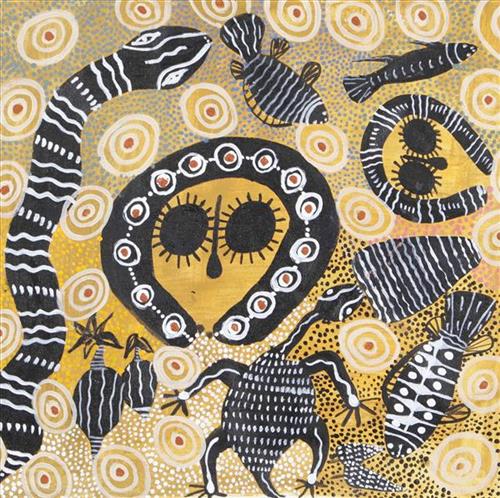
Wandjina, Wullamurrungge & Ungud (cloud and rain spirit, long neck turtle & snake god)

The Wullamurrungge was created by the Wandjina. It’s special because the Wandjina left a gift inside: a skeleton that looks like the Wandjina and the Gyorn Gyorn (Bradshaw people). The law he gave to the people was that before a young boy could eat the turtle, it has to crawl on the back of the person who’s going to eat it. This then satisfies the Wandjina and you’re able to eat it. This Law is passed down from generation to generation. The Ungud (totem) snake is the one that made the rivers and holds Ngarboon (water). If they are disturbed then they will kill whoever disturbs them.

225482322211


Wandjina (cloud and rain spirits)

The Wandjina spirits are highly respected by the Worrora, Ngarinyin and Wunumbul people who live at Mowanjum and along the Gibb River Road to Kalumburru in the North West Kimberley region of Western Australia. Wandjina represents the laws of everything the surrounds us trees, rivers, rocks, bush fruit and animals, all creation. The Wandjinas give the law on how we have to treat and use these creations. These customs are carried on today.

225482322186


Jarlarloyn

After the flood of Dumbi, Namarali left Ngarinyin country to go to Woddorddaa country. He stole a woman (Jarlarloyn) from there and though she was the wrong skin for him, he made her his first wife. The other Wandjinas all gathered together and followed Namarali to the coast (Woddorddaa country). They found him at a place called Langgi its European name is Freshwater Cove. They had a huge fight and they killed Namarali and Jarlarloyn there. Before he died he told them to take him into a cave on the nearby hill and that is where he put himself up on the cave wall. Even today if you go there when the tide goes out, you will see a lot of rocks on the beach that represent all the Wandjinas that went for the fight and in the middle you will see two very large rocks which represent Namarali and his wife (Jarlarloyn).

225482323630


Cyclone Wandjina

This painting represents the cyclone Wandjina for cyclone season. The Wandjina spirits are highly respected by the people of Mowanjum and up the Gibb River Road. The Wandjinas brought the law, culture and language to the people. The Wandjina is our identity. We come from the North West Kimberley Region of Western Australia. This is where our Wandjina belong and come from. The Wandjina gave the Law, Culture and Language to the people to abide by. The Customs are carried on today. Where you see a lot of Wandjinas they represent the laws of tree, rivers, rocks, bush fruit and animals all creation. The Wandjinas give the law on how we have to treat and use these creation.

225482323845


Wandjina, dumbi, jaiya & ungud.

The Wandjina spirits are highly respected by the people of Mowanjum. The Wandjinas brought the law, culture and language. The people of Mowanjum believe that the first –

Wandjina was called Idjair. Idjair lives in the Milky Way and is the father of all Wandjinas. The Wandjina Wallungunder was Idjair’s first son; he created the Earth and all life upon it. After he created the first human beings, the Gyorn Gyorn people, Wallungunder traveled back to Idjair to bring back more Wandjinas to give the Gyorn Gyorn  people laws to live by.

Wallungunder also created Ungud spirits. Ungud spirits often appear in Mowanjum artists paintings. Every person at Mowanjum has an Ungud or Totem. The Ungud is given before birth by the father or the grandfather through dreams, and represents a living animal. The most powerful Unguds are two snakes which are deep inside Mother Earth. Along with the Wandjinas these two Ungud snakes help deliver the animal baby spirits to all unborn children. Today each and every individual has its own animal that belongs to them.

The three Wandjinas which represent the three language groups of Mowanjum are Namarali for the Worora people, Wodjin or Wanalirri for the Ngarinyin people, and Rimijmarra for the Wunambul people. Each family group at Mowanjum has a Wandjina which guides them through their lives. The Wandjinas are most active as cloud spirits during the monsoon period, bringing rain to the entire Kimberley region.

The Wandjina’s facial characteristics can represent many climatic features. The eyes of the Wandjina can represent thunderstorms and even   . The line between the eyes resembles a nose, but it is actually a power line which is used to transfer energy. Small brush marks on the Wandjinas body usually represent rain drops. Wandjinas can be represented with either four or five fingers. When depicted with only head and shoulders the Wandjina is said to be floating in space or in the form of a cloud or storm. A full-bodied Wandjina is said to be walking the Earth. The rounded feature in the upper chest area can represent the heart of the Wandjina or a large pearl shell that was worn by tribal leaders.

Dumbi is an owl which resides in Ngarinyin country.  A boy and a girl teased Dumbi and plucked out his feathers.  Dumbi flew to the Wandjina Wodjin who said he would create a large flood to punish the tribe from where the boy and girl came.  At a place called Wanalirri, the Wandjina gathered a large flock of brolgas which stomped on a huge black soil plain to create quicksand.  The flood came and drowned many people; those who tried to escape were lost in the quicksand.  The boy and girl were safe because they were on high ground, they were taken there by a kangaroo, and they travelled on the kangaroo’s tail.  A Tata lizard called Gunarda warned the Wandjina that the boy and the girl had escaped.  The rains and lightening started to chase the boy and girl and they ran to a hollowed out boab tree.  Once they were in the tree, the Wandjina closed it up and they were lost for ever.  In another version of the story the boy and girl survive the flood and mate to produce a newThe Ungud snake is the one that made the rivers and holds water. If they are disturbed then they will kill whoever disturb them. Wandjina is the creator of all the food on the land and in the sea. He’s the one who give us Ngarla (meat) and Jaiya (fish).