22544008031


Status: Stock


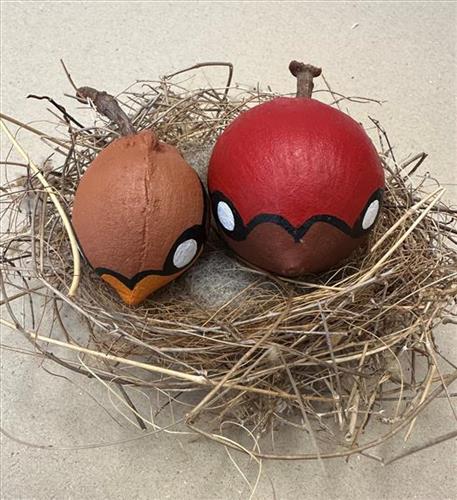
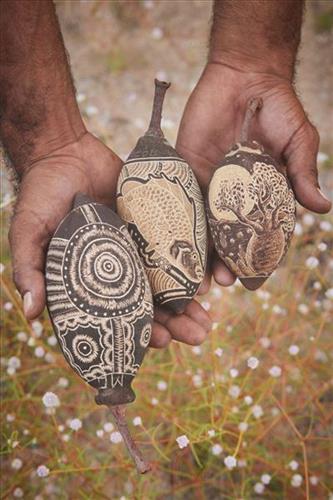
Boab nut (general)

Ngarinyin, Woddorda  (Worrorra) and Wunambal are the three main languages of the North Kimberley language families. The Boab Tree is known by Wurnambal people as Jungurri, in  Woddorda as Jungurim and in Ngarinyin as Jungulan jirri, Larrgari jirri and Malawudi jirri.

Boab or Larrgardi Trees (lt.: Adansonia Gregorii) – is an Australian native species only found in the Kimberley region of Western Australia. They are very recognisable due to their unusual shape – reminding one of a full-bodied bottle. Some trees are more then 1500 years old and can hold more than 100,000 litres of water in their trunks.

Every part of the tree is used either as a food-resource, as medicine or otherwise. Almost every part of the tree is edible from the young leaves and tubers to the internal fruit pods and seeds.

The tree produces beautiful large fragrant yellow flowers. Inside the fruit pod the fruit is naturally dried on the tree itself. This is the only fruit in the world that does this.

Indigenous artists carve designs into shell of the boab nut or paint it with different designs and children use it as a rattle. The designs on the nuts vary from Wandjina’s to different animals, like the Brolga, turtles, and fish to people’s faces and landscapes.

“Boab nut Carving was a way of expressing ones artistic skills. Aboriginal people across the Kimberley Region of Western Australia was carving along time ago it started with our ancestors.”
22544003932


Status: Stock


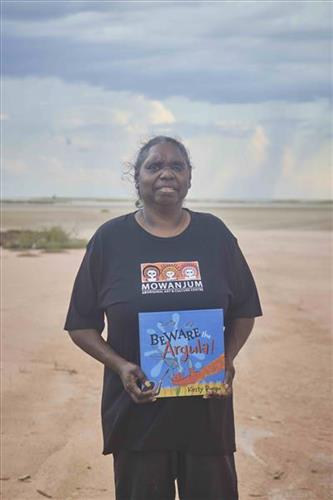
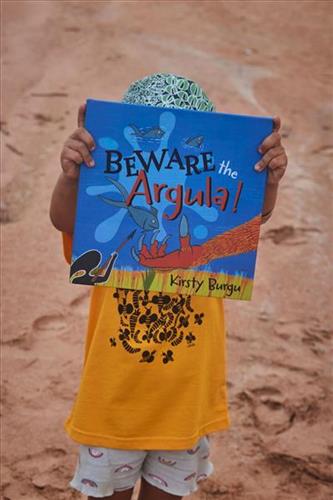
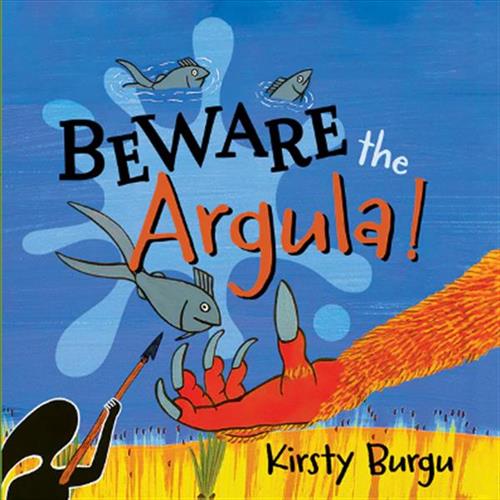
Beware the Argula by Kirsty Burgu

When two boys go fishing they are unaware that the Argula, the bush devil, is watching them and helping itself to all their fish. The boys finally see the Argula’s glowing red eyes – but it is too late and they become the Argula’s next meal! When they are rescued, they are unconscious and have to be shocked back to consciousness by fire ants. Once safely home they vow to never be greedy again and to always watch out for the Argula.

This is the second title in the Kimberley Art Centre Series, working with Kirsty Burgu from Mowanjum Art and Cultural Centre. The story was told to Kirsty as a child and the Arugula is not considered to be myth but it is thought to exist – rock art featuring the Argula are found along the Kimberly coastline.

22543974349


Status: Stock


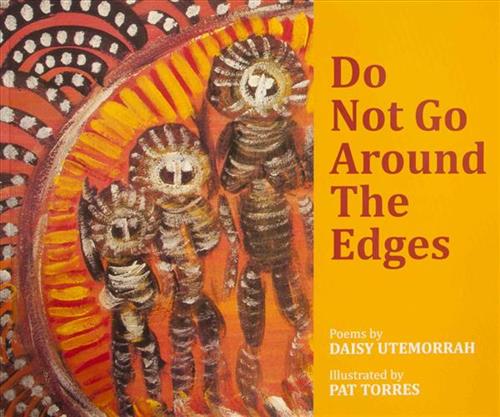
Around the Edges – Daisy Utemorrah

Do not go around the edges or else you’ll fall. No good that place or else you slip.

2254362


Status: Stock


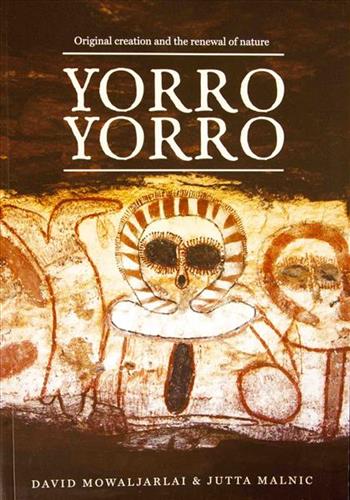
Yorro Yorro

Aboriginal Elder David Mowaljarlai and photographer Jutta Malnic rekindle a story that constitutes the oldest collective memory of humankind.

Yorro Yorro follows the journey of original creation in the Kimberley and the renewal of nature. It tells of the Wandjina creation spirits and their ‘crossing over’ into ancestral beings and then eventually into human form. In the Ngarinyin language, Yorro Yorro means Everything standing up alive.

Yorro Yorro is an exraordinary testament to the cumulative knowledge of the Wandjina peoples of the Kimberley in the north of Western Australia.

225482188554


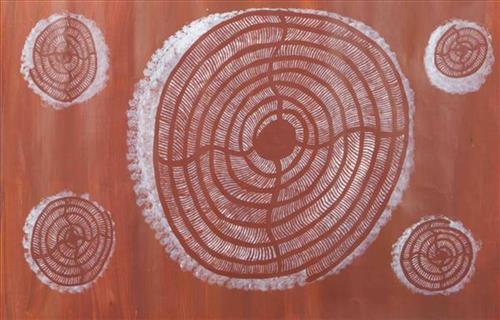
Karram Muddu (whirlpool story)

This is my Ungud (totem). I was named for this whirlpool: Karram Muddu, located near Augustus Island. My father, Sam Woolagoodja, named me. The Warndum Story goes that there’s a woman spearing for a snake in that saltwater whirlpool.

225482329283


Waanungga (sugar bag)

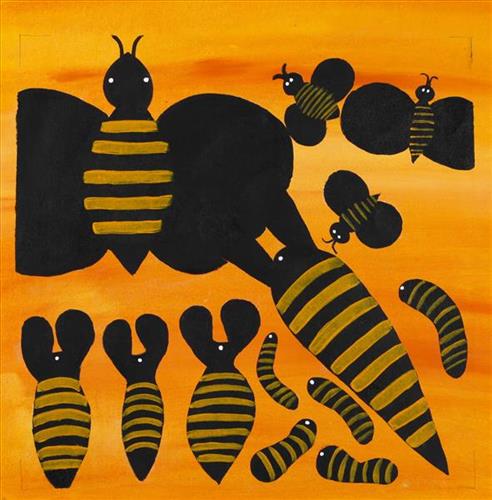
Gudu Mungulu often paints Waanugga, which is a word that describes various forms of bush honey. The hives in which honey is stored are called ‘Sugarbag’, and can be found in trees and in termite mounds. The Wandjinas keep the countryside fresh and healthy which allows the native bees to produce high quality honey in Gudu’s homeland. Gudu’s name ‘Guduwolla’ is Ngarinyin for a particular tree which is favoured by Kimberley honey-flies. It’s white pollen is conspicuous from August until September, and is the main source of bush sugar in The Kimberley.

225482356960


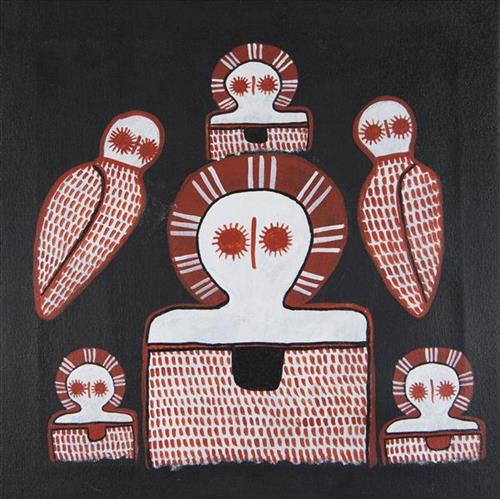
Wandjina & Dumbi (cloud and rain spirits & barn owls)

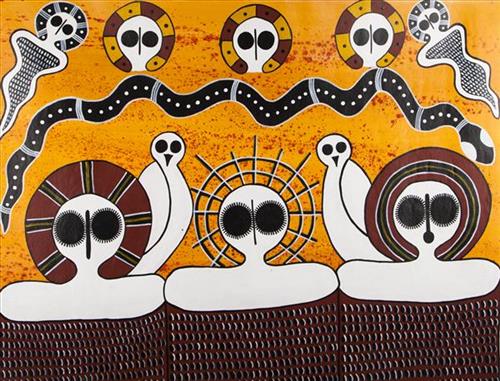
The Wandjina is the creator spirit that belongs to us: the Wororra, Ngarinyin and Wunumbul people. He is the one that created everything; our culture, law and songs and even the dreaming of each child before they are born. 

Dumbi is an owl which resides in Ngarinyin country. A boy and a girl teased Dumbi and plucked out his feathers. Dumbi flew to the Wandjina Wodjin who said he would create a large flood to punish the tribe from where the boy and girl came. At a place called Wanalirri, the Wandjina gathered a large flock of brolgas which stomped on a huge black soil plain to create quicksand. The flood came and drowned many people; those who tried to escape were lost in the quicksand. The boy and girl were safe because they were on high ground, they were taken there by a kangaroo, and they traveled on the kangaroo’s tail. A Tata lizard called Ganada warned the Wandjina that the boy and the girl had escaped. The rains and lightning started to chase the boy and girl and they ran to a hollowed out boab tree. Once they were in the tree, the Wandjina closed it up and they were lost for ever. In another version of the story the boy and girl survive the flood and mate to produce a new tribe.

22544006582


Status: Stock


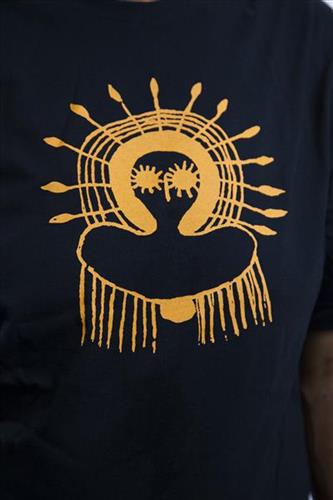
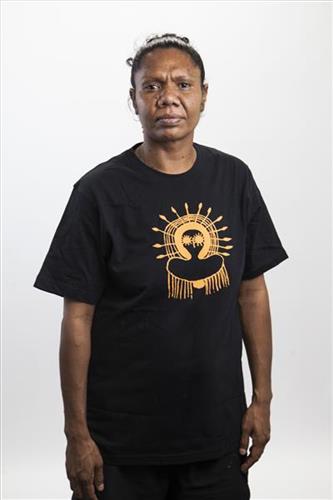
Namarali by Mildred Mungulu, Adult T’shirt (black, bronze)

Namarali is the great Wandjina that belongs to the Wororra tribe. Namarali represents the top, middle and bottom Wororra tribes up the North West Kimberley on the coast. His Laws, Culture and Language start from Oobagooma and go north towards Prince Region this is where the Wororra boundary ends. Namarali created many laws for the Wororra people which relate specifically to funeral customs. He was speared in a Wandjina war at Langii north of Doubtful Bay. The painting of Namarali lies five kilometers inland from Langii in a cave. The artist Donny Woolagoodja is responsible for the care of this painting.


Product Details:

100% combed cotton, from AS Colour.

225482358249


Three Tribes, Dumbi & Ungud (barn owl & totem).

The three tribes are the Worrora, Wunumbul and Ngarinyin. The three tribes represent the Wandjina who made them what they are today. The three tribes are from the North Kimberley region of Western Australia. The area that makes up the three tribes starts from Oobagooma which is 150km north of the coast of Derby, east across towards inland to Iminji and all the way up to Kalumburru. The tribes have travelled, moved and lived together. They share similar stories, culture and language with different dialects. We still follow the law, culture and language of the land today carrying it on strong and sharing it. Dumbi is an owl who resides in Ngarinyin country. A boy and a girl teased Dumbi and plucked out his feathers. He then flew to the Wandjina Wodjin who said he would create a large flood to punish the tribe from where the boy and girl came. At a place called Wanalirri, the Wandjina gathered a large flock of brolgas which stomped on a huge black soil plain to create quicksand. The flood came and drowned many people; those who tried to escape were lost in the quicksand. The boy and girl were safe because they were on high ground, they were taken there by a kangaroo, and they travelled on the kangaroo’s tail. A tata lizard called Gunarda warned the Wandjina that the boy and the girl had escaped. The rains and lightening started to chase the boy and girl and they ran to a hollowed out boab tree. Once they were in the tree, the Wandjina closed it up and they were lost for ever. In another version of the story the boy and girl survive the flood and mate to produce a new tribe. The Ungud (totem) snake is the one that made the rivers and holds water. If they are disturbed then they will kill whoever disturbs them.