

111582143388
No Cigarette Lighter
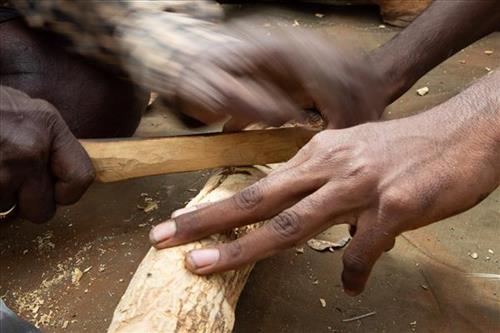
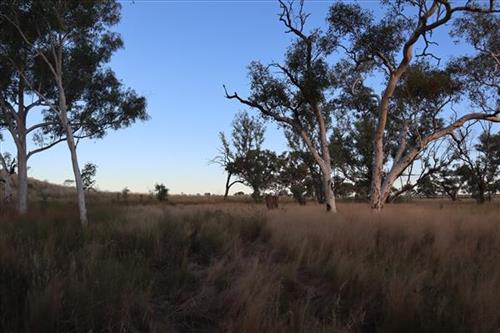
‘Long time ago when only Martu was living in their ngurra (Home, Country, Camp). They had no cigarette lighters. That’s how they make fire. Not just only for cooking but for many things. Straightening spears on hot ash, cooking lungi (witchetty grubs) on hot ash, minyarra (bush onions), and also smoking babies, keeping them strong for their future. And bringing country back to life. The ash from the bush fire can create a fertilizer that can create new food for the future. For the wildlife and the Martu. That’s how Martu been keeping country clean for long time till today.’
– Ignatius Taylor

111582143387
No Cigarette Lighter
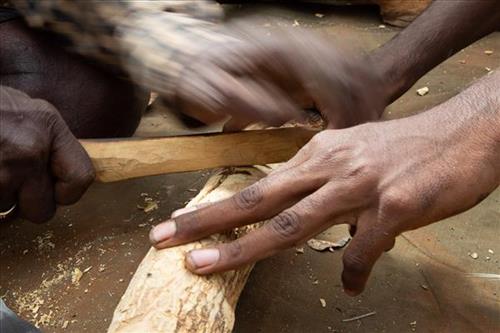
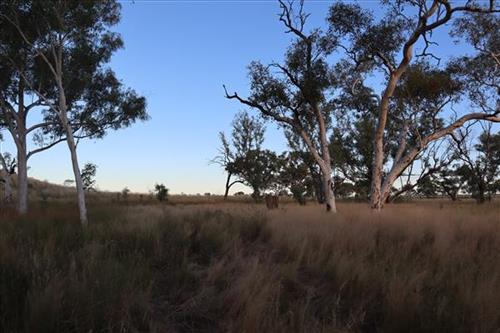
‘Long time ago when only Martu was living in their ngurra (Home, Country, Camp). They had no cigarette lighters. That’s how they make fire. Not just only for cooking but for many things. Straightening spears on hot ash, cooking lungi (witchetty grubs) on hot ash, minyarra (bush onions), and also smoking babies, keeping them strong for their future. And bringing country back to life. The ash from the bush fire can create a fertilizer that can create new food for the future. For the wildlife and the Martu. That’s how Martu been keeping country clean for long time till today.’
– Ignatius Taylor

111582143386
No Cigarette Lighter
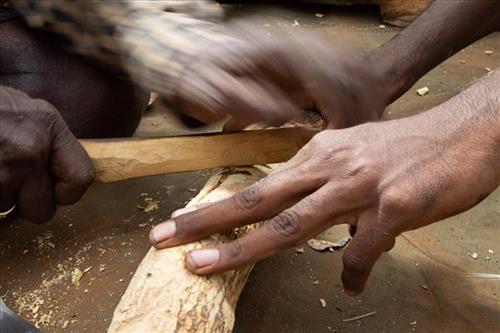
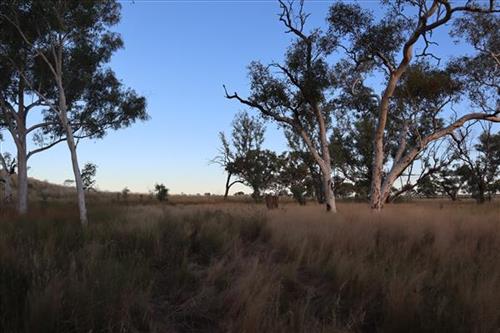
‘Long time ago when only Martu was living in their ngurra (Home, Country, Camp). They had no cigarette lighters. That’s how they make fire. Not just only for cooking but for many things. Straightening spears on hot ash, cooking lungi (witchetty grubs) on hot ash, minyarra (bush onions), and also smoking babies, keeping them strong for their future. And bringing country back to life. The ash from the bush fire can create a fertilizer that can create new food for the future. For the wildlife and the Martu. That’s how Martu been keeping country clean for long time till today.’
– Ignatius Taylor

111582143383
Untitled

111582143382
Untitled

111582143381
Untitled

377810582143214

Man-ngarre (Native Grasses)
Elizabeth had a distinctive artistic style, depicting the natural world with loose, organic strokes. Her style was evident in her key designs Kun-ngol (clouds), showing the cloud formations over her floodplain country after the wet season, and the fine detail of Kun-kirh (mud ripples) depicting cracked mud in the sun during dry season. Elizabeth was close family with Janet Marawarr, Lucy Yarawanga and Raylene Bonson, leading artists at Bábbarra.
This design celebrates the grasses of Arnhem land, the spear grass, Sorghum intransthat grows in the wet season and dies off or is burnt during the dry season.
111982143196
Galabarrbarr
In Burarra and Gun-nartpa languages the figure represented in this artwork is generally known as a wangarra ‘ghost spirit’. For the Warrawarra clan ghost spirits have their own particular characteristics and their own name – Warraburnburn.
The Warraburnburn and the closely related Galabarrbarr spirit (owned by the Balkarranga clan) are also manikaysong topics. The spirits are related to each other as maternal grandparent and grandchild, just as the people of Warrawarra and Balkarranga are. The dancing of the two ghost spirit figures forms the finale performance for funerals, and is the final goodbye to a deceased family member.
In many ways the Warraburnburn and Galabarrbarr ghost spirits are like people. They emerge from the patches of jungle on Warrawarra and Balkarranga country in the late afternoon and go hunting in family groups of men, women and children. They stay in contact with each other by calling out as the men hunt for fish and the women walk with their dillybags looking for vegetable food.
The ghost spirits are associated closely with white ochre and artists commonly paint the bodies of carved figures in white. Different types of ghost spirit wear different patterns. Warraburnburn is decorated with uniform white dots while others are painted white all over. Some ghost spirits are shown with a design painted on their chest infilled with rarrk ‘cross-hatching’, the same designs that are painted onto japi an-guyinda ‘male initiations’.
They also have supernatural characteristics including superhuman size (jarra anbaykarda ‘super tall’). They know the country intimately – some are malevolent towards humans and will lead people astray, taking them to unfamiliar and dangerous places. These malevolent spirits are likened to an-muburda ‘sorcerers’ and can conduct dangerous rituals that cause harm to people. Others are benign and will lead humans back to familiar paths and their own camps.

377810582143177
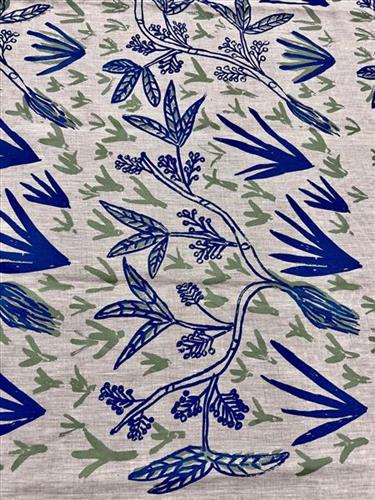
Man-ngarre (Native Grasses)
Elizabeth had a distinctive artistic style, depicting the natural world with loose, organic strokes. Her style was evident in her key designs Kun-ngol (clouds), showing the cloud formations over her floodplain country after the wet season, and the fine detail of Kun-kirh (mud ripples) depicting cracked mud in the sun during dry season. Elizabeth was close family with Janet Marawarr, Lucy Yarawanga and Raylene Bonson, leading artists at Bábbarra.
This design celebrates the grasses of Arnhem land, the spear grass, Sorghum intransthat grows in the wet season and dies off or is burnt during the dry season.