377810582166583


Manyawok (Cheeky Yam)

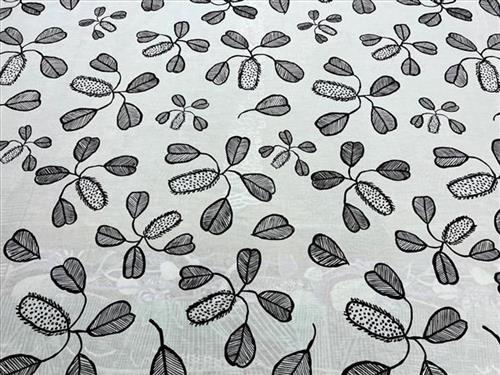
This design depicts the cheeky yam, which is found on the artist’s country, near the outstation of Mumeka in central Arnhem Land. Yams are an important bush food that are collected during the wet season.

Unlike other yams that can be eaten roasted, the cheeky yam can be poisonous if not properly prepared. The preparation process of the yam traditionally takes two days. Firstly, the yams are dug up with a digging stick and boiled over a fire. They are then peeled and sliced into thin strips, which are placed in a special dillybag woven by women from pandanus leaves. The yam-laden dillybag is then strung from an overhanging branch into a river, so the bag just touches the flowing fresh water. The cheeky yams are left like this overnight to allow the running water to remove the toxins. The next morning, people return and collect the dillybag, and leave the yam pieces in full sunlight to dry out. Finally, when the yam pieces have dried in the sun for a day, they are ready to eat.

377810582166579


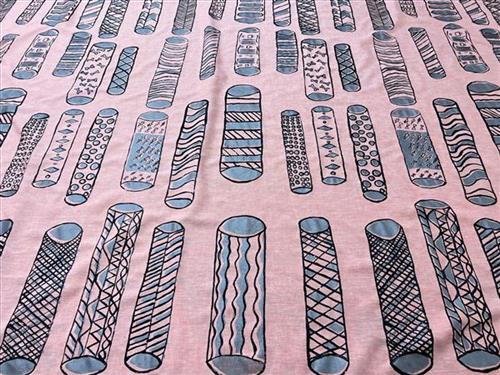
Lorrkkon

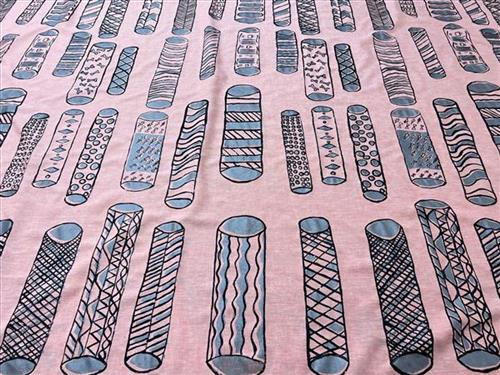
Marilyn’s first screen print design depicts the story of lorrkkon (hollow funeral logs). This the story of her great, great grandfather and grandmother who were bark painters, as well as also sacred lorrkkon painters.

When designing this screen print, Marilyn was remembering her childhood living in a small house on Liverpool river Ngar-wunja (Thompson hole) with other families.

Through the painting process, Marilyn remembered and relived the times when people still lived permanently on remote homelands, living off the land before balanda (non-indigenous people) arrived.

Marilyn recalls “it makes me think back, we did lots of things, some people was hunting, some was weaving, some was painting barks and lorrkkon. As my great, great grandfather and grandmother was painters, I painted this my story for them.”

377810582166577


Lorrkkon

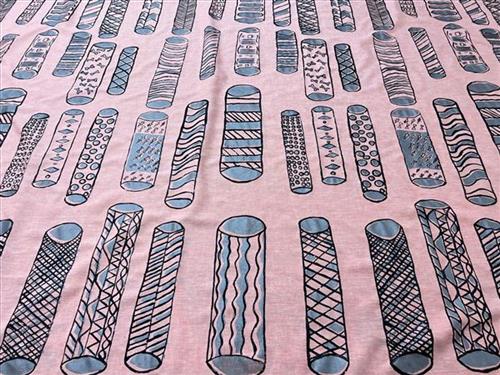
Marilyn’s first screen print design depicts the story of lorrkkon (hollow funeral logs). This the story of her great, great grandfather and grandmother who were bark painters, as well as also sacred lorrkkon painters.

When designing this screen print, Marilyn was remembering her childhood living in a small house on Liverpool river Ngar-wunja (Thompson hole) with other families.

Through the painting process, Marilyn remembered and relived the times when people still lived permanently on remote homelands, living off the land before balanda (non-indigenous people) arrived.

Marilyn recalls “it makes me think back, we did lots of things, some people was hunting, some was weaving, some was painting barks and lorrkkon. As my great, great grandfather and grandmother was painters, I painted this my story for them.”

377810582166576


Lorrkkon

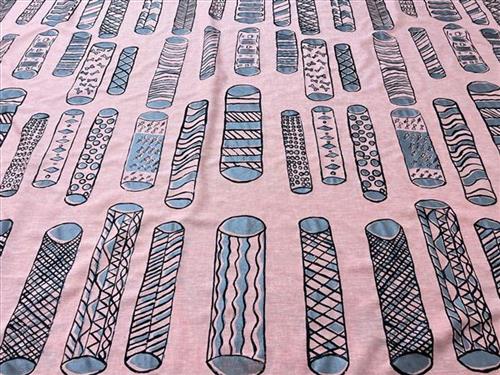
Marilyn’s first screen print design depicts the story of lorrkkon (hollow funeral logs). This the story of her great, great grandfather and grandmother who were bark painters, as well as also sacred lorrkkon painters.

When designing this screen print, Marilyn was remembering her childhood living in a small house on Liverpool river Ngar-wunja (Thompson hole) with other families.

Through the painting process, Marilyn remembered and relived the times when people still lived permanently on remote homelands, living off the land before balanda (non-indigenous people) arrived.

Marilyn recalls “it makes me think back, we did lots of things, some people was hunting, some was weaving, some was painting barks and lorrkkon. As my great, great grandfather and grandmother was painters, I painted this my story for them.”

377810582166575


Lorrkkon

Marilyn’s first screen print design depicts the story of lorrkkon (hollow funeral logs). This the story of her great, great grandfather and grandmother who were bark painters, as well as also sacred lorrkkon painters.

When designing this screen print, Marilyn was remembering her childhood living in a small house on Liverpool river Ngar-wunja (Thompson hole) with other families.

Through the painting process, Marilyn remembered and relived the times when people still lived permanently on remote homelands, living off the land before balanda (non-indigenous people) arrived.

Marilyn recalls “it makes me think back, we did lots of things, some people was hunting, some was weaving, some was painting barks and lorrkkon. As my great, great grandfather and grandmother was painters, I painted this my story for them.”

377810582166570


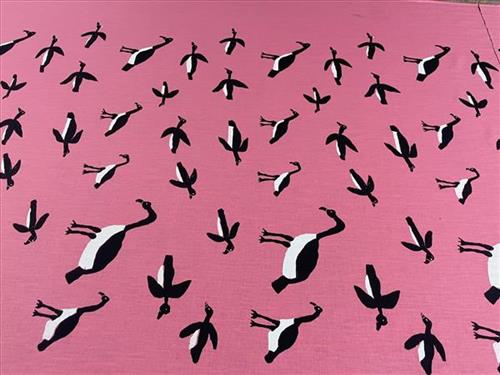
Murnubbarr Karrolkan (Flying Magpie Geese)

Murnubbarr (magpie geese) are a waterbird found in abundance in the wetland areas of Kakadu and western Arnhem Land. Murnubbarr are a sustainably hunted and enjoyed manme (bush food). They are known to fly long distances, particularly in the wet season.

377810582166569


Murnubbarr Karrolkan (Flying Magpie Geese)

Murnubbarr (magpie geese) are a waterbird found in abundance in the wetland areas of Kakadu and western Arnhem Land. Murnubbarr are a sustainably hunted and enjoyed manme (bush food). They are known to fly long distances, particularly in the wet season.

377810582166568


Murnubbarr Karrolkan (Flying Magpie Geese)

Murnubbarr (magpie geese) are a waterbird found in abundance in the wetland areas of Kakadu and western Arnhem Land. Murnubbarr are a sustainably hunted and enjoyed manme (bush food). They are known to fly long distances, particularly in the wet season.

111982166846


Yawkyawk (Ngalkunburriyaymi)

This is a painting of Ngalkunburriyaymi, the fish-women spirit. The water spirits Yawkyawk or Ngalkunburriyaymi are perhaps the most enigmatic. Sometimes compared to the European notion of mermaids, they exist as spiritual beings living in freshwater streams, particularly those in the stone country. The spirit Yawkyawk are usually describe and depicted with the tails of fish, as in this painting. Thus the Kununjku people sometime call them ngalberddjenj which literally means ‘the woman who has a tail like a fish’. They have long hair which is associated with trailing blooms of green algae (called man-bak in Kuninjku) found in freshwater streams and rock pools. At times they leave their aquatic homes to walk about on dry land, particularly at night.

Aboriginal people believe that at one time all animals were humans. During the time of the creation of landscapes and plants and animals, these ancestors heroes in human form changed into their animal forms via a series of various significant events now recorded as oral mythologies. 

Today the Kuninjku believe that ngalkunburriyaymi are alive and well and living in freshwater sites in a number of sacred locations. The Kuninjku also believe that ‘clever’ man (magicians with mystical powers called in Kuninjku na-kordang) may take these spirits as wives. The father of Mandarrk, a well known artist who resided in the Central Arnhem area, is said to have had such a spirit as a wife. Unfortunately, it is said, she failed one day to return from being sent to fetch water from the river, and returned to her kin. The ngalkunburriyaymi also have husbands and children of their own kind. Their sites are usually shared with the rainbow serpent ngalyod. Some have ritual importance, for example in some depictions, the yawkyawk spirit holds ceremonial string, just like the lengths of string women hold between both hands today during certain public ceremonies. 

There are at least three major ngalkunburriyaymi sacred sites that are well known in the area south and south-west of Maningrida. One site Bolerrhlerr is on the Mann River at a place near Yikarrakkal Outstation where the Mann River has rugged rocky banks and clefts beneath stone overhangs in the water. The yawkyawk in this painting refers to this site. Another very similar site further west in the Kumadderr River district is surrounded by a number of small but very old rock art sites and has become known in English as ‘Dreaming Lady’. A third site is a major yawkyawk dreaming place which is so significant that the traditional clan custodians have set up an outstation community near the site the identify of this group is very much related to their yawkyawk dreaming for which they have spiritual and practical responsibility. This group, known as the Dangkorlo clan, are well known for their bark paintings and sculptures of yawkyawk. Both of Kubarkku’s wives are members of the Dangkorlo clan.

377810582166843


Sea Shells and Dilly Bags

‘Sometimes when we go down to the beach in Maningrida we pick all these shells up. Some family make necklaces and earrings. In the olden days they used to collect shells and put them in the dilly bags. The old people used to carry dilly bags when they went hunting. They used the dilly bag for bush food. My design shows mud muscle and long bum and cockles.’ Belinda Kernan 2022

Belinda’s mother is from Eastern Arrernte country near Alice Springs, the community of Ltyentye Apurte (Santa Teresa), and her father’s country is Maningrida. Belinda speaks languages from both sides of her family, as well as various languages belonging to Central Arnhem Land. She lives in Maningrida and prints lino at the women centre. Belinda is also a strong leader for young people in her community.